
In 2018, while researching a television series about refugees from Afghanistan, Norwegian filmmaker Nina Knag came across several articles about women volunteering in asylum centers who had developed sexual relationships with young male refugees. She was shocked and unsettled by what she read — yet also intrigued. The more she investigated, the more she realized there was a complex and deeply uncomfortable story to tell. What drives someone to cross such a line? And what might that transgression reveal about power, loneliness, and the human need for connection? Knag chose to tell the story from the woman’s perspective.
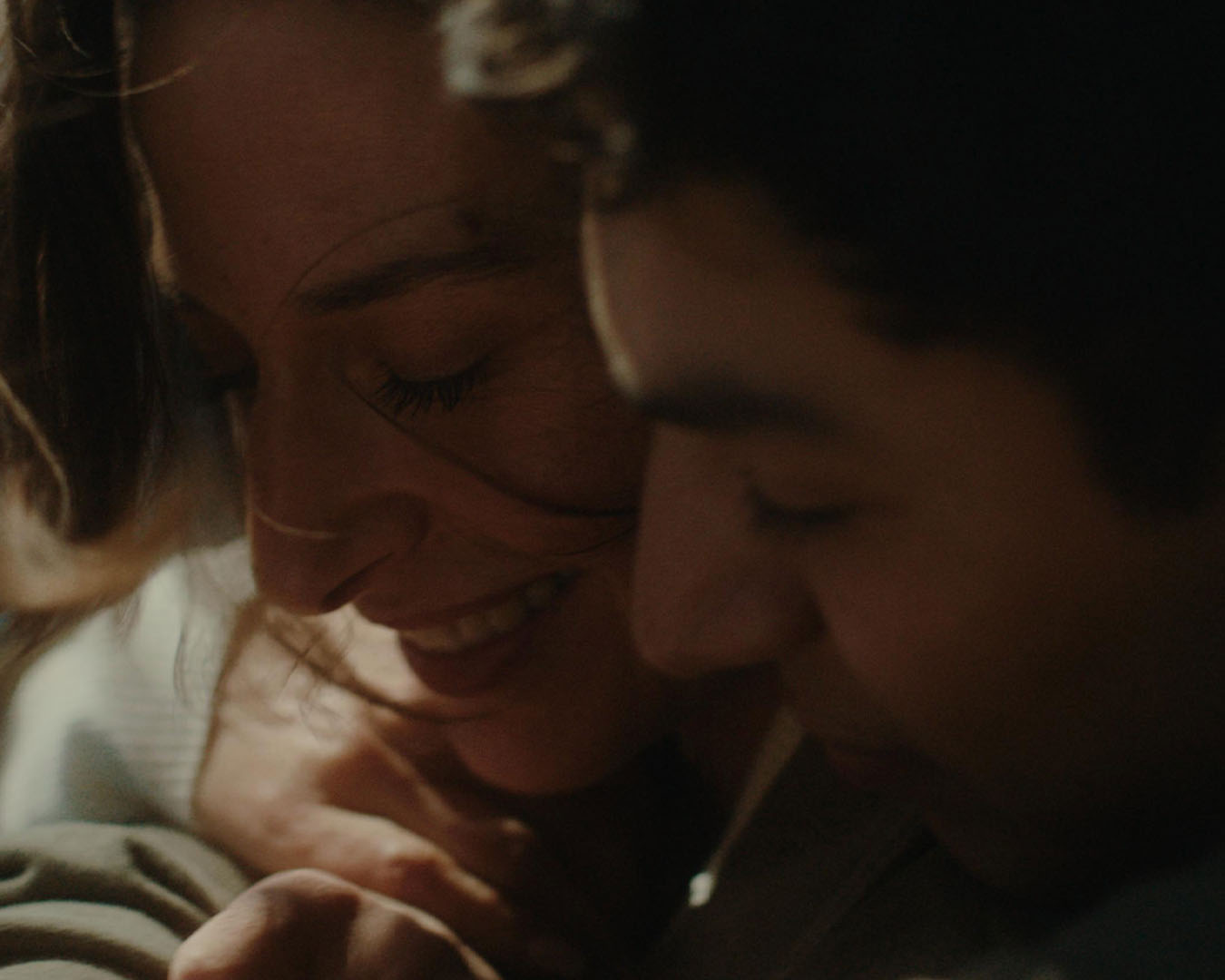
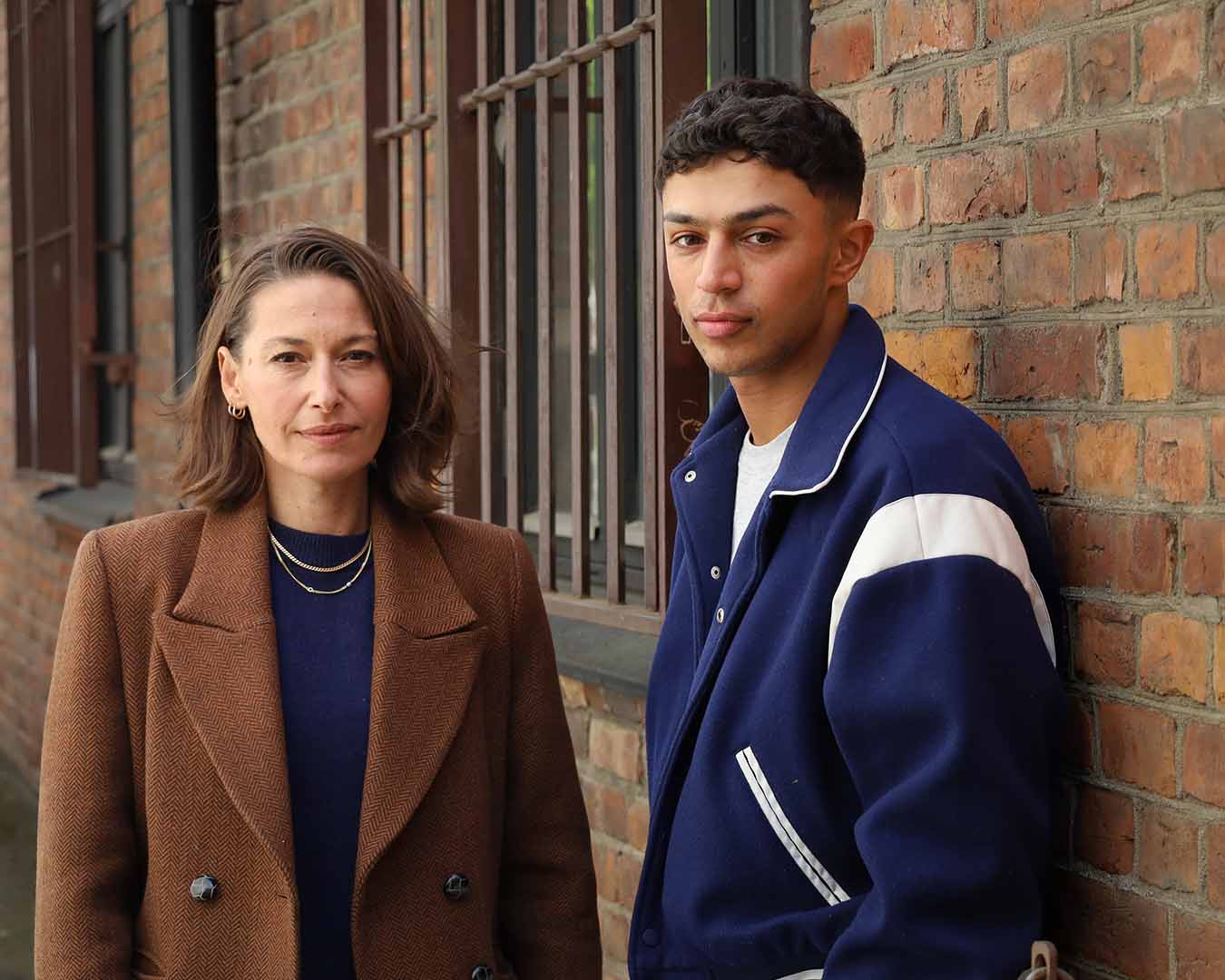
The film’s protagonist, Eva (Pia Tjelta) — a 48-year-old high school literature teacher married to the town’s left-wing mayor (Kristoffer Joner) — meets Amir (Tarek Zayat), an 18-year-old refugee and aspiring poet. She develops feelings for him, and their affair soon overwhelms her judgment, becoming a dangerous obsession for everyone involved. Knag admits that, at first, she struggled to relate to Eva, but as she continued writing, she found herself asking: “Could this be me? Could this be anyone?” It’s the same question she hopes audiences will carry with them — how far might we go if connection and chemistry blurred the moral line?

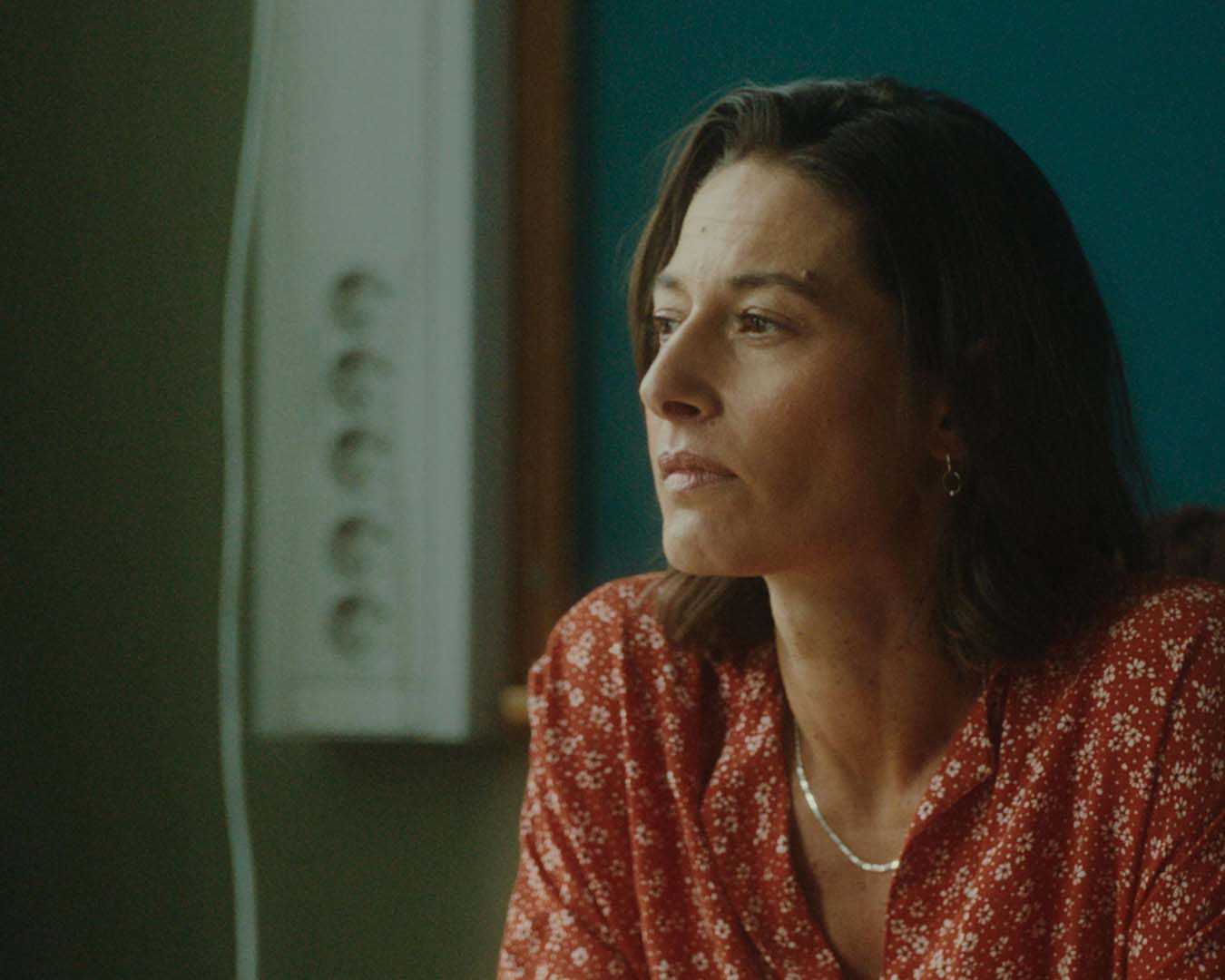
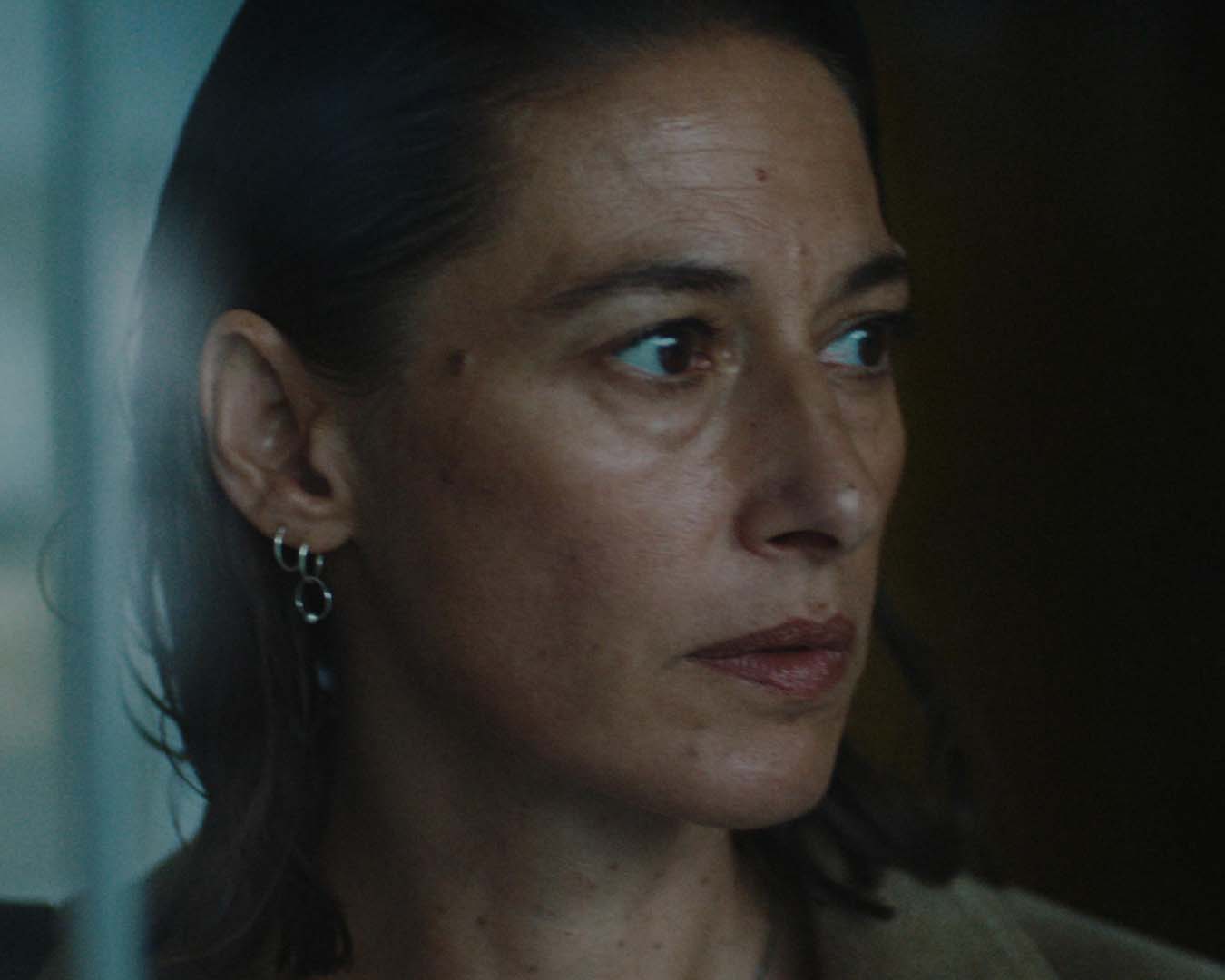
The film is told from Eva’s point of view, yet Amir maintains a quiet, compelling presence. Knag made a deliberate choice to keep him partly mysterious. In her research, she learned that many young men fleeing to Norway are advised by traffickers to conceal parts of their personal histories if they hope to secure asylum. She did not want to portray refugees negatively, but rather to highlight Amir’s humanity — and to raise an unsettling question: who wouldn’t bend the truth for a chance at a new life?
Both characters are nuanced and deeply human: Eva, a mother and wife trapped in a hollow marriage; Amir, a young asylum seeker searching for belonging. Knag describes Don’t Call Me Mama as a story about the need to be seen and understood. For Eva, that hunger is born from invisibility and her husband’s betrayal — a woman who no longer feels desired or valued. For Amir, it’s survival — the desire to be recognized as more than a refugee. And for Eva’s husband, Jostein, it is the quiet desperation of a man trying to reach a wife who is already gone.
The setting heightens the tension. The small village of Odda, framed by steep mountains and a narrow fjord, feels like a character in itself — its beauty both awe-inspiring and suffocating. The landscape echoes the moral pressure of the society surrounding it: a community proud of its openness, tolerance, and equality, yet quick to judge when its progressive values are challenged.

At its core, Don’t Call Me Mama confronts the hypocrisy of Western democracies that claim to welcome the vulnerable while quietly determining who is deserving of compassion. The same societies that preach empathy are often the first to destroy a life when that empathy becomes messy, inconvenient, or politically sensitive. Knag’s film holds a mirror up to that contradiction — to how quickly benevolence can turn punitive, and how moral superiority can become a form of control.
Ultimately, Don’t Call Me Mama is a study of power — emotional, sexual, and social — and of the fragile boundary between empathy and judgment. It reveals how compassion can so easily slip into coercion, and how a single moment of pride or hurt can unravel everything. Eva’s downfall is both moral and profoundly human; her suffering reflects our shared failure to live up to the ideals we claim to defend.
Audiences may leave the cinema unsettled — not asking what Eva did, but whether they too might have made the same choices, and how frighteningly easy it is to destroy a life in seconds. That lingering discomfort, that recognition of our own contradictions, is the film’s true power.