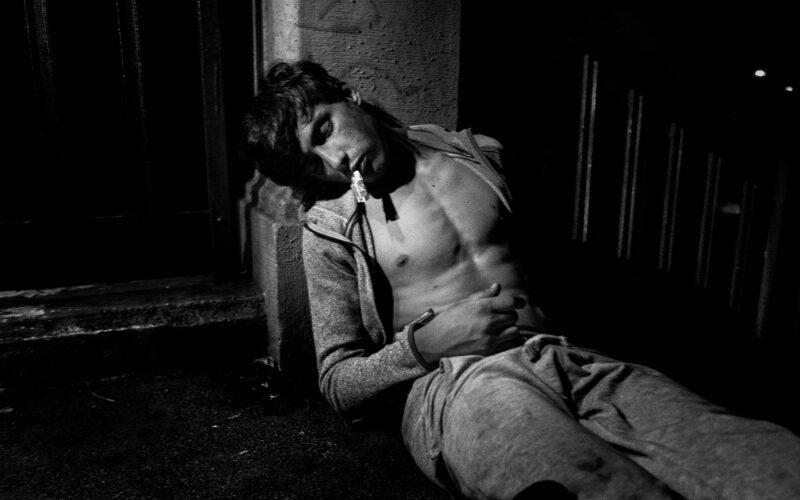
We live immersed in constant exposure—wars, tragedies, live streams—yet our capacity to feel seems to fade. Pain has lost its distance; it has become daily consumption, a narrative format where wars scroll on screens like any other feed. Here, the speed of the image replaces the depth of experience.
Mass media filters conflict through spectacle, while social media multiplies its repetition, flattening the scale of pain until every tragedy becomes a fragment compatible with the rhythm of the algorithm. Susan Sontag understood this shift: an excess of images does not create awareness, but habituation. Visual anesthesia keeps trauma on the surface, making it watchable, and therefore, bearable. The eye adapts, the gaze dims.
For Doris Lessing, it was clear that we are driven by waves of mass emotion that drown out our ability to ask “cold” questions about important matters. Yet, it is precisely these stark, dispassionate questions that might save us. To untangle the knot of the “Spectacle of Suffering” and break through these emotional tides, I turned to war photojournalist Gabriele Micalizzi. His lens refuses the sensational; it seeks the truth within the shadow.
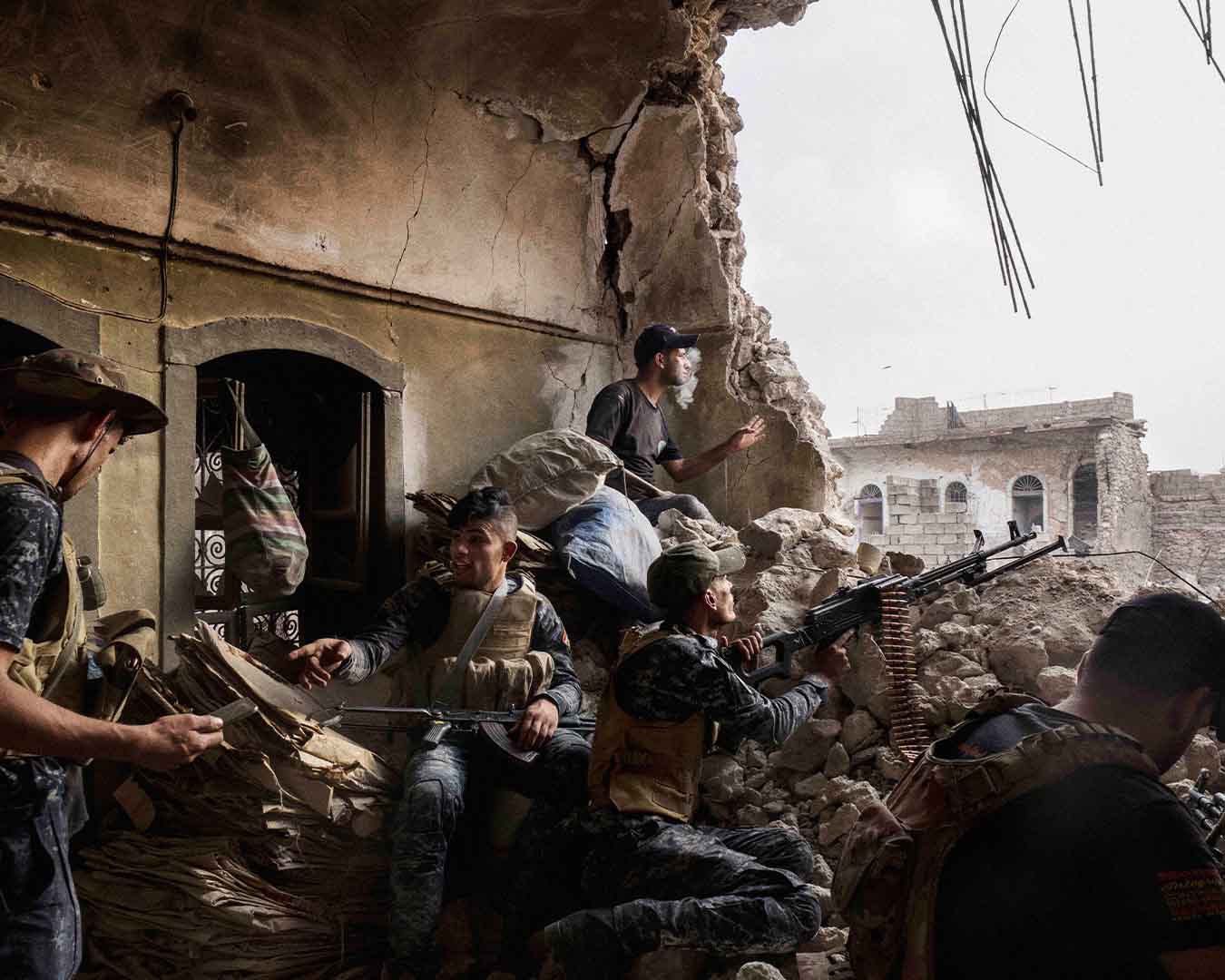
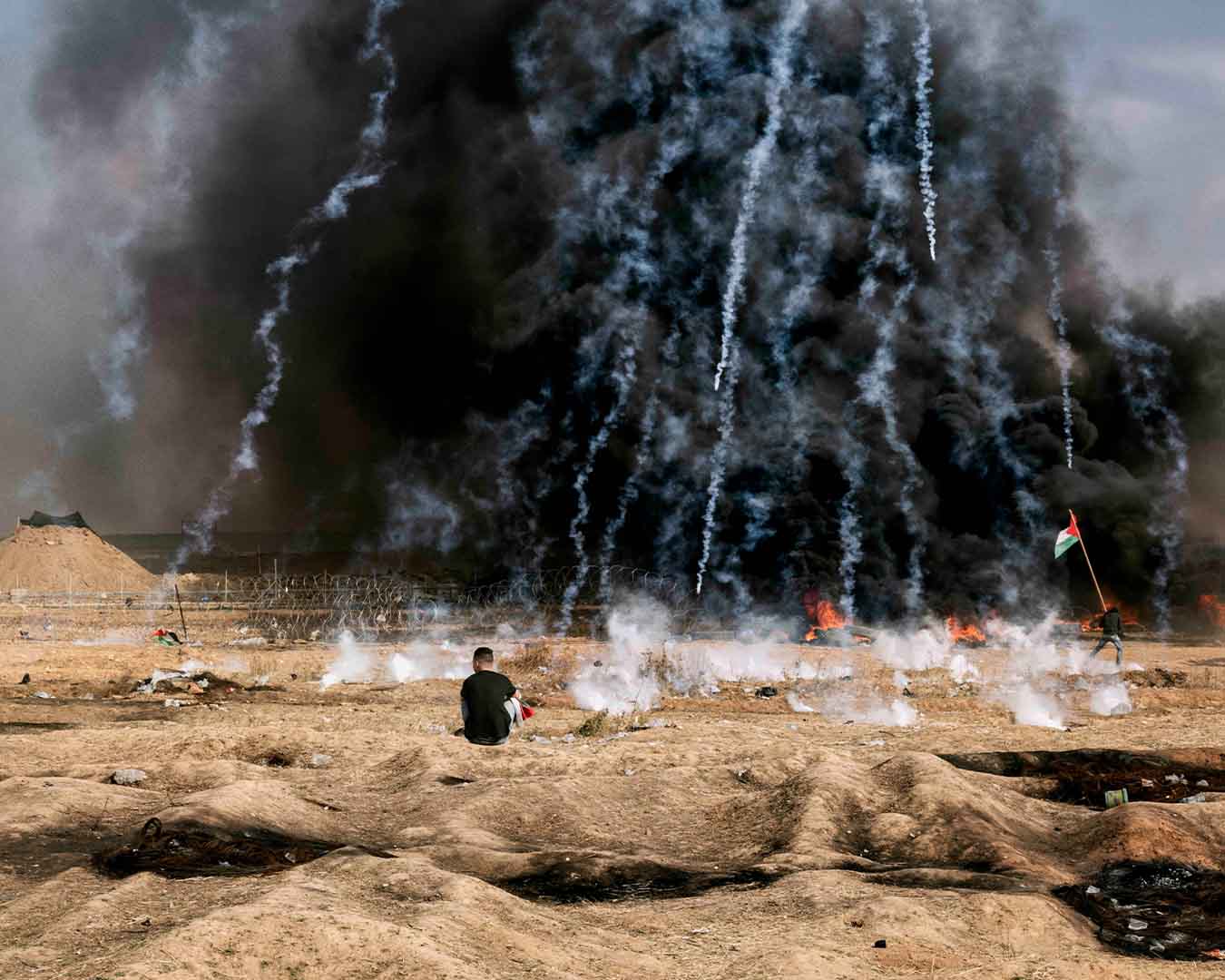
I know you have a background in visual arts; has this helped you understand when aesthetics could potentially overshadow the content of a photo?
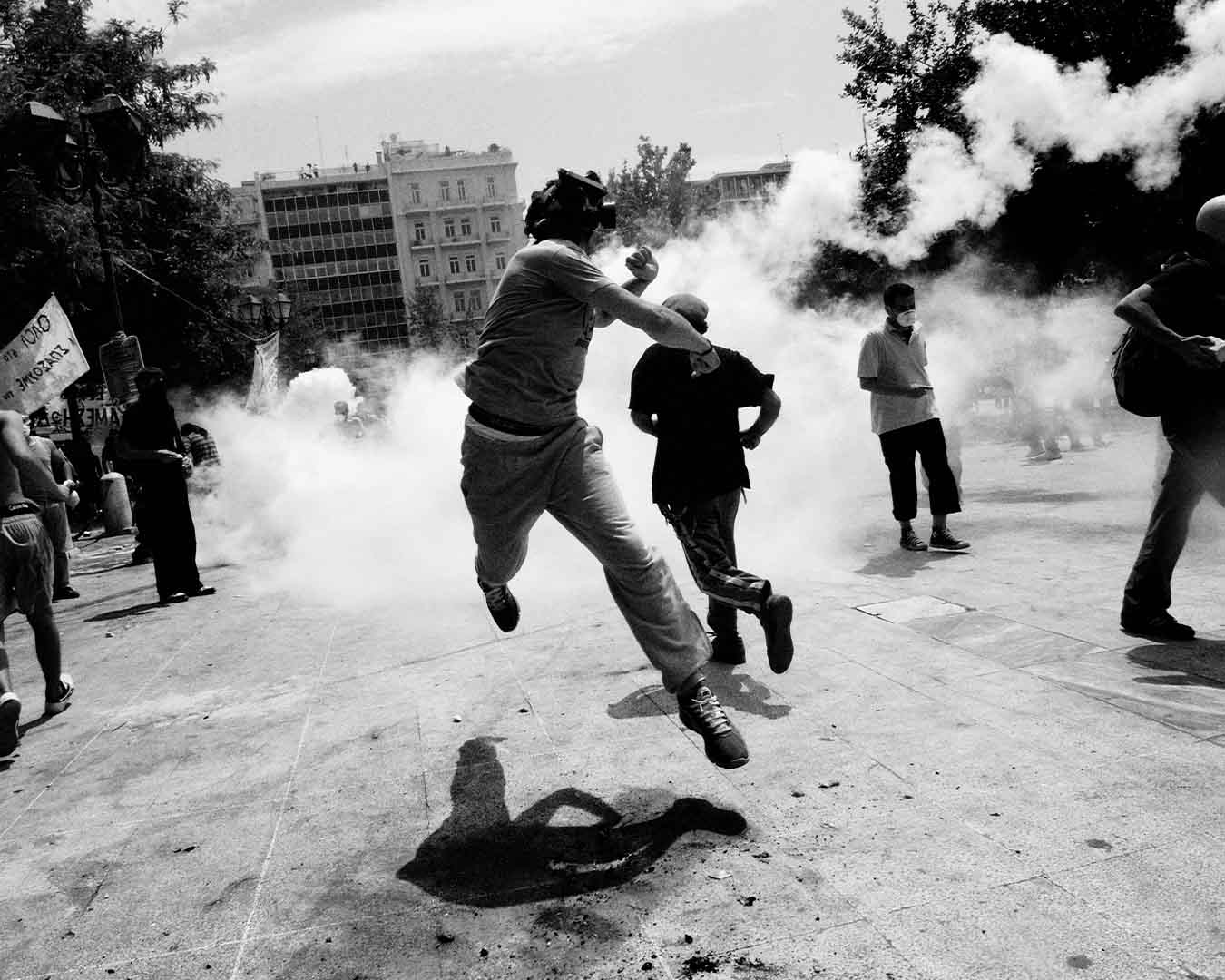
Yes, the fact that I studied visual arts influenced me immensely, especially having a classical background—painting and sculpture. Then communication; I also studied photography and cinema. I consider myself very lucky; at school, I watched films like Full Metal Jacket or The Seventh Seal which didn’t just influence my imagery, but effectively taught me what aesthetics is, especially in storytelling. Many times, to make people understand things, you don’t even need to be that direct; I mean, to make people understand war, you don’t need to show blood.
In conflict zones that are highly politicized here in the West—I’m thinking especially of the Israel-Palestine conflict and the recent revolts in Iran—how do you manage to maintain an honest visual language?
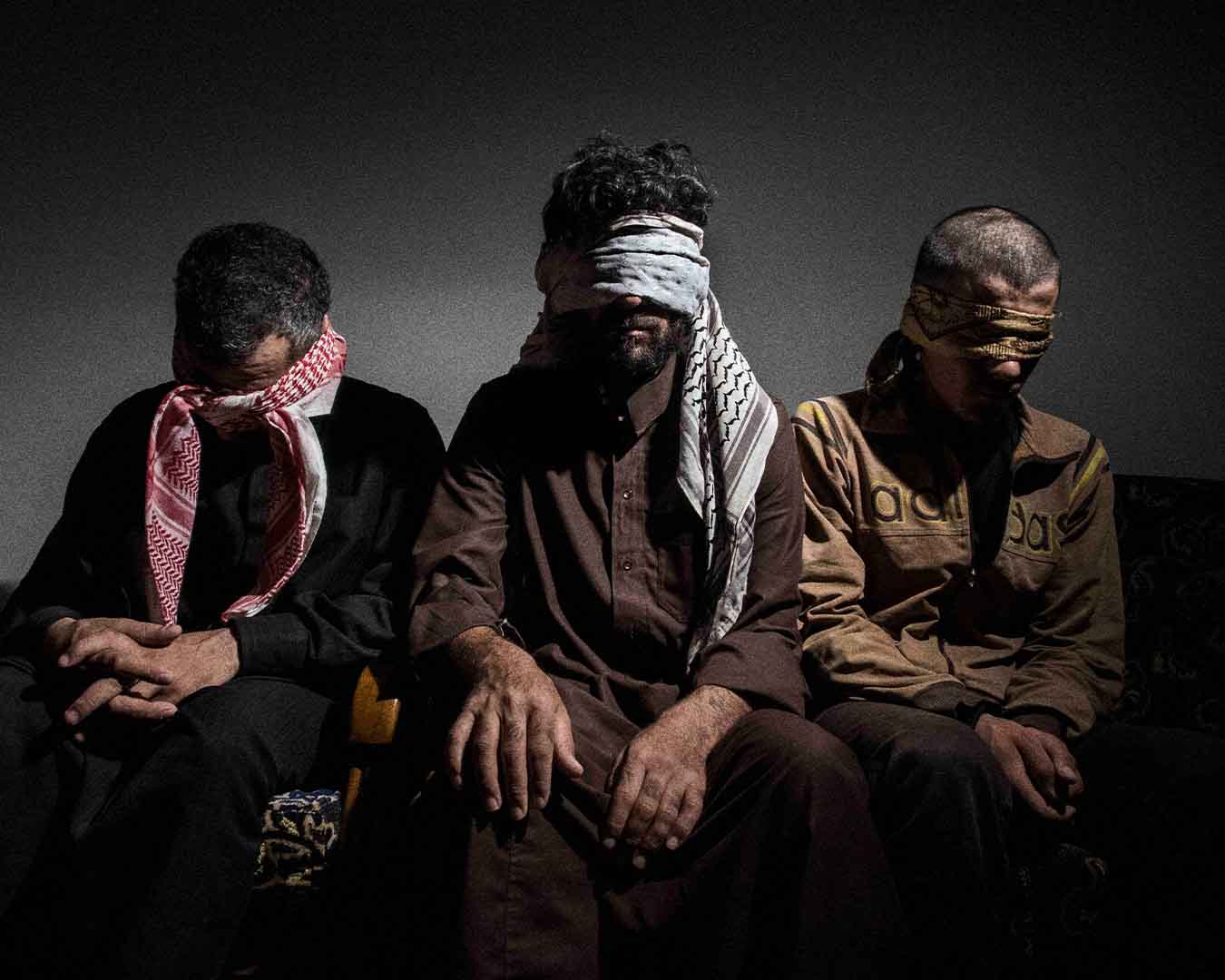
It depends on what you mean by “honest,” in the sense that photojournalism precludes the fact that you are objective in what you describe. Obviously, in photography, nothing is objective—it’s all subjective—but you must try to faithfully represent what is happening. The skill of a photographer, especially an “auteur,” is to report the situation while providing a personal point of view, a somewhat unique identity of gaze. Effectively, when you photograph certain types of situations, despite the macro-event of war and hardship, you still manage to find a “story within the story” through your choice of subjects and how you tell it. I often photograph civilians and their conditions; in the end, that is what the public empathizes with the most. When you see blood and death in movies, it’s far away from you. Instead, by seeing normal people and their normal lives, you empathize much more and understand the condition they live in.
I really like this perspective on empathy, because as a viewer, I feel we are often almost anesthetized by this cascade of images we see through media and social networks…
Yes, television started this, followed by social media, and now there is a new aspect of war called “gamification.” It is seen more like a video game through soldiers’ body cams and drones; it tends to push the pain far away. You no longer experience the war as it is told from among the people. Now, with drones, when you kill someone, you don’t hear the screams or the pain… it’s all very distant, you don’t hear the blasts, right? So you don’t feel in the middle of it, yet you participate. This distance is increasingly felt, much like what happens with video games. Today, the war in Ukraine is described almost entirely this way: through drones and soldiers’ cameras; there is less and less interaction from a person who lives that situation and tells it.
If you think about it, this process started in WWII with the use of drugs and amphetamines—not just to fight fatigue, but to make human beings insensitive “supermen” without feelings. In war, there is a brutalization: man becomes something else. Survival pushes you to do things you would never do. It’s hard to comprehend, but as they say, “war is war”—man becomes something else and stops being a man.
How do you approach the people you want to photograph? Do you ask, or do you sometimes shoot without asking?
Sometimes I shoot without asking, it depends on the situation. I try to be very respectful, but once I am accepted into a context, I don’t have many problems with shooting. For example, if you photograph a funeral in Gaza where a father is holding his child, he knows exactly what you are doing. There is no aggression; they know why you are there. If you are there, it is your duty—you shouldn’t be too formal about it, in my opinion. Always while bringing respect to the subjects.
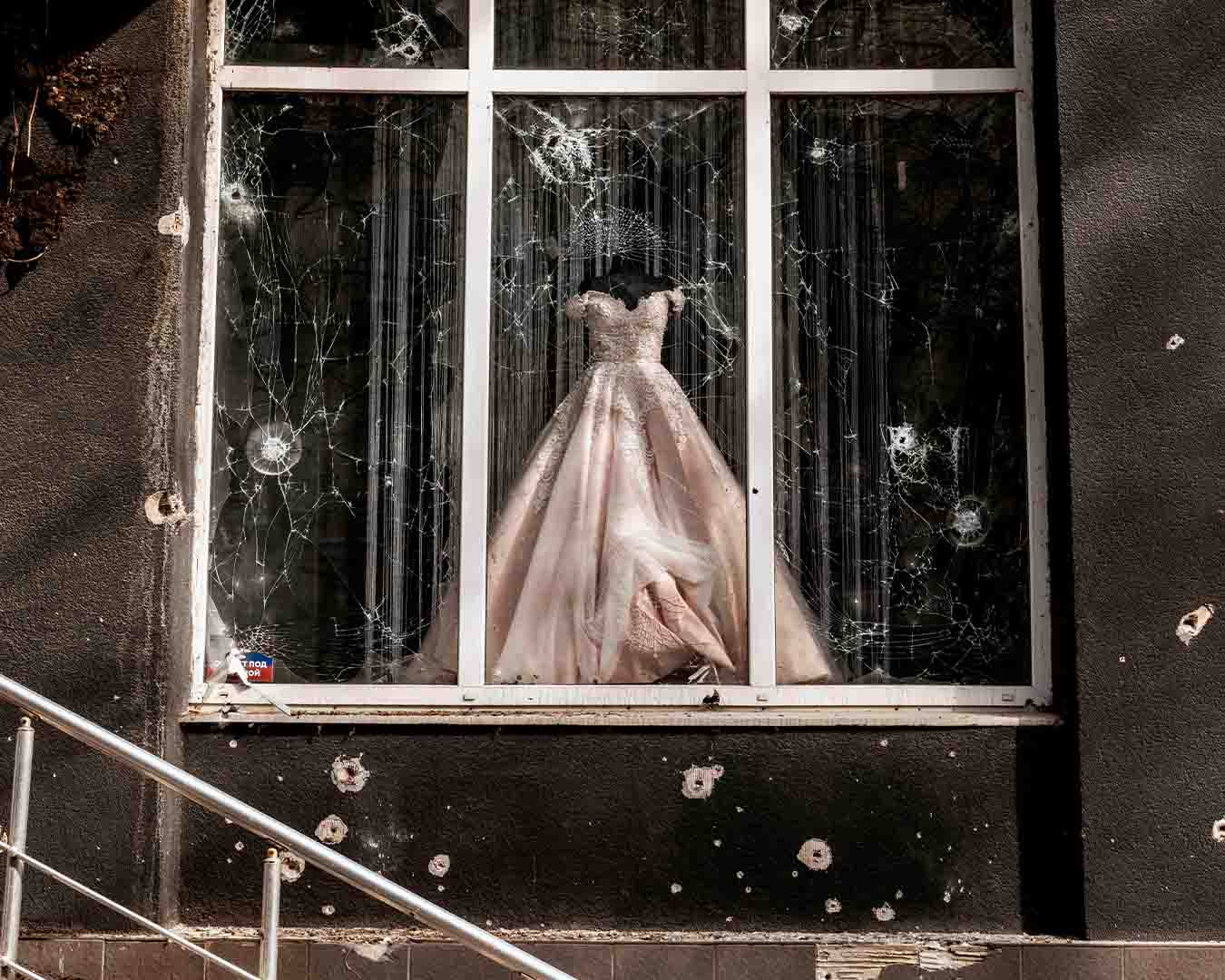
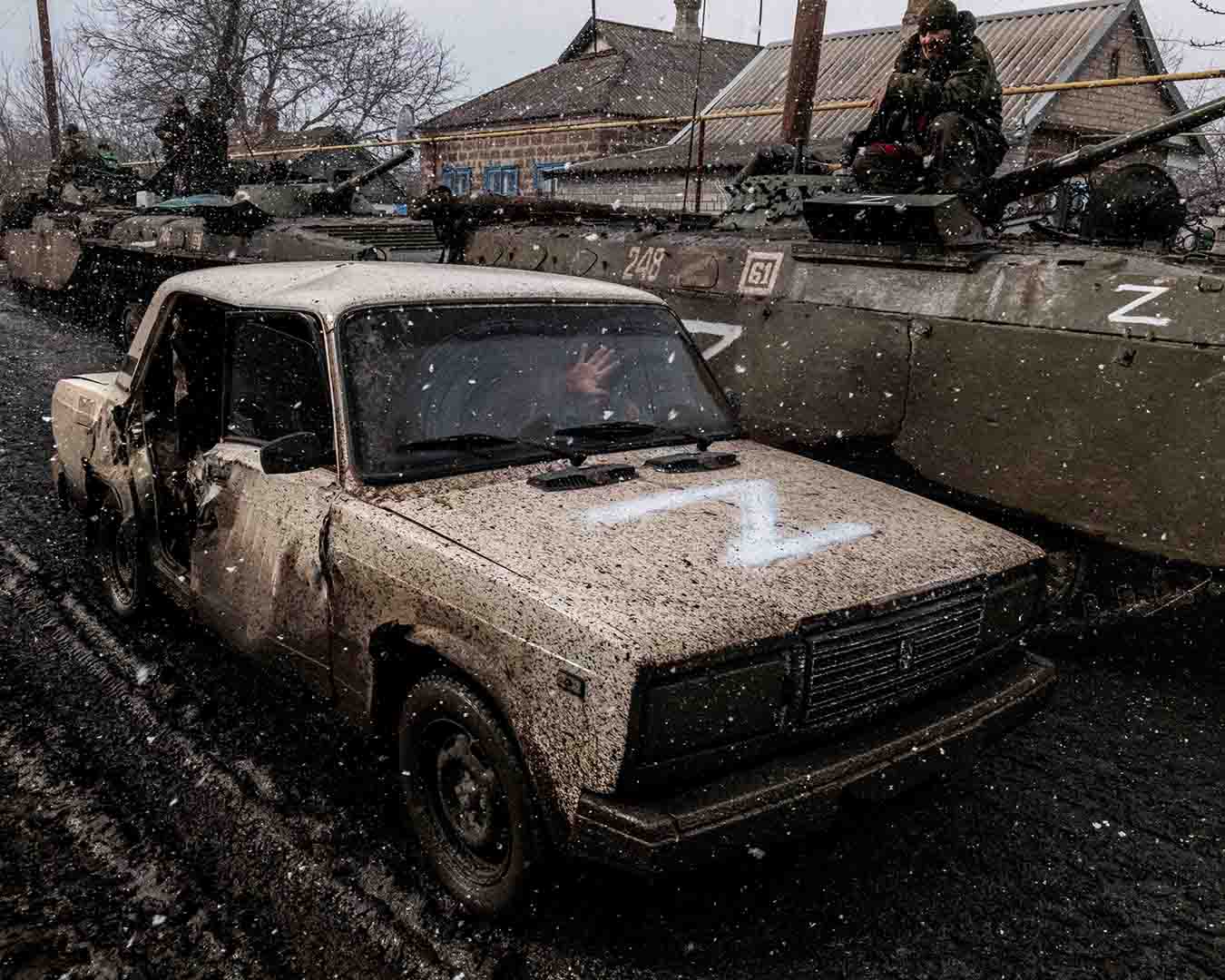
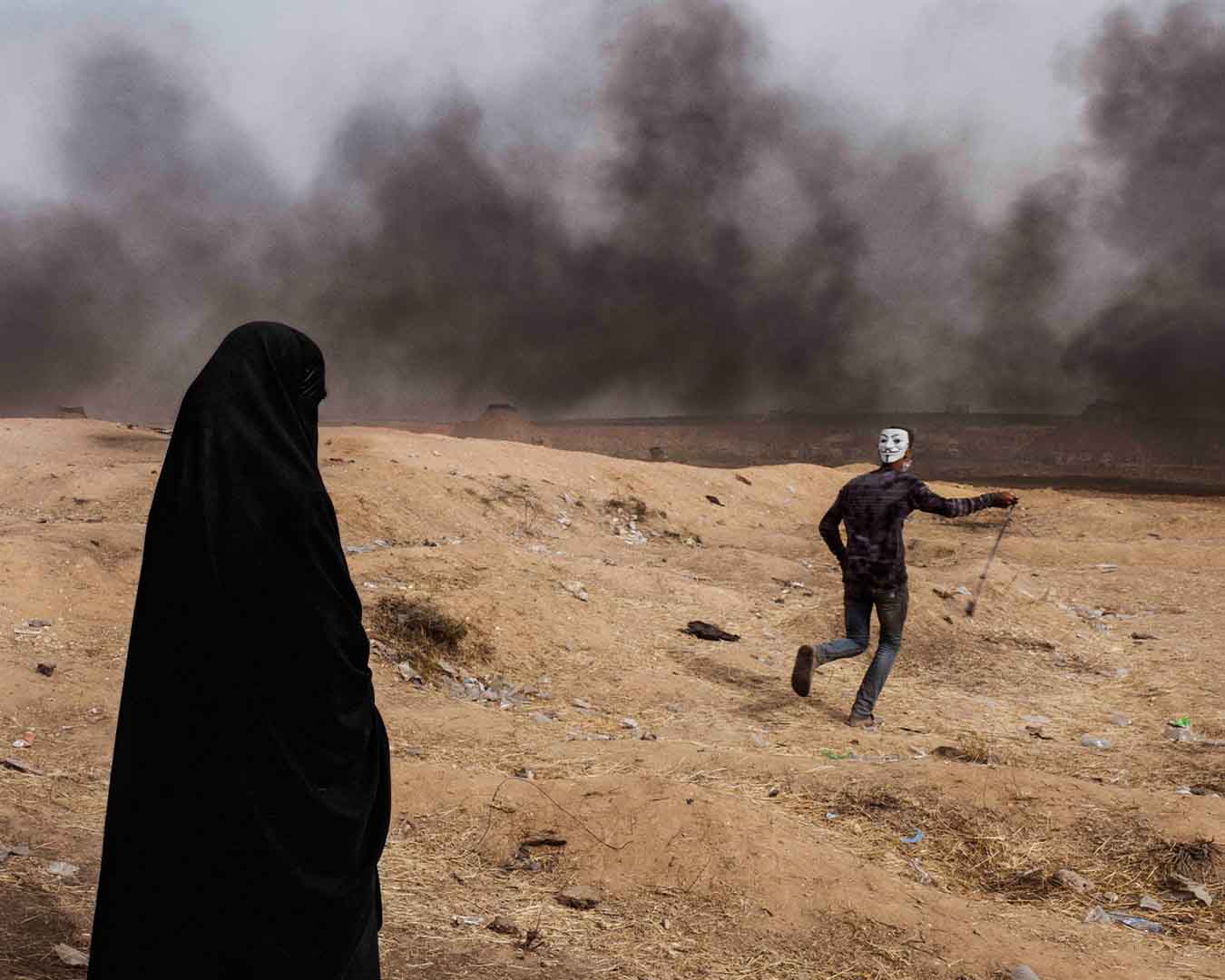
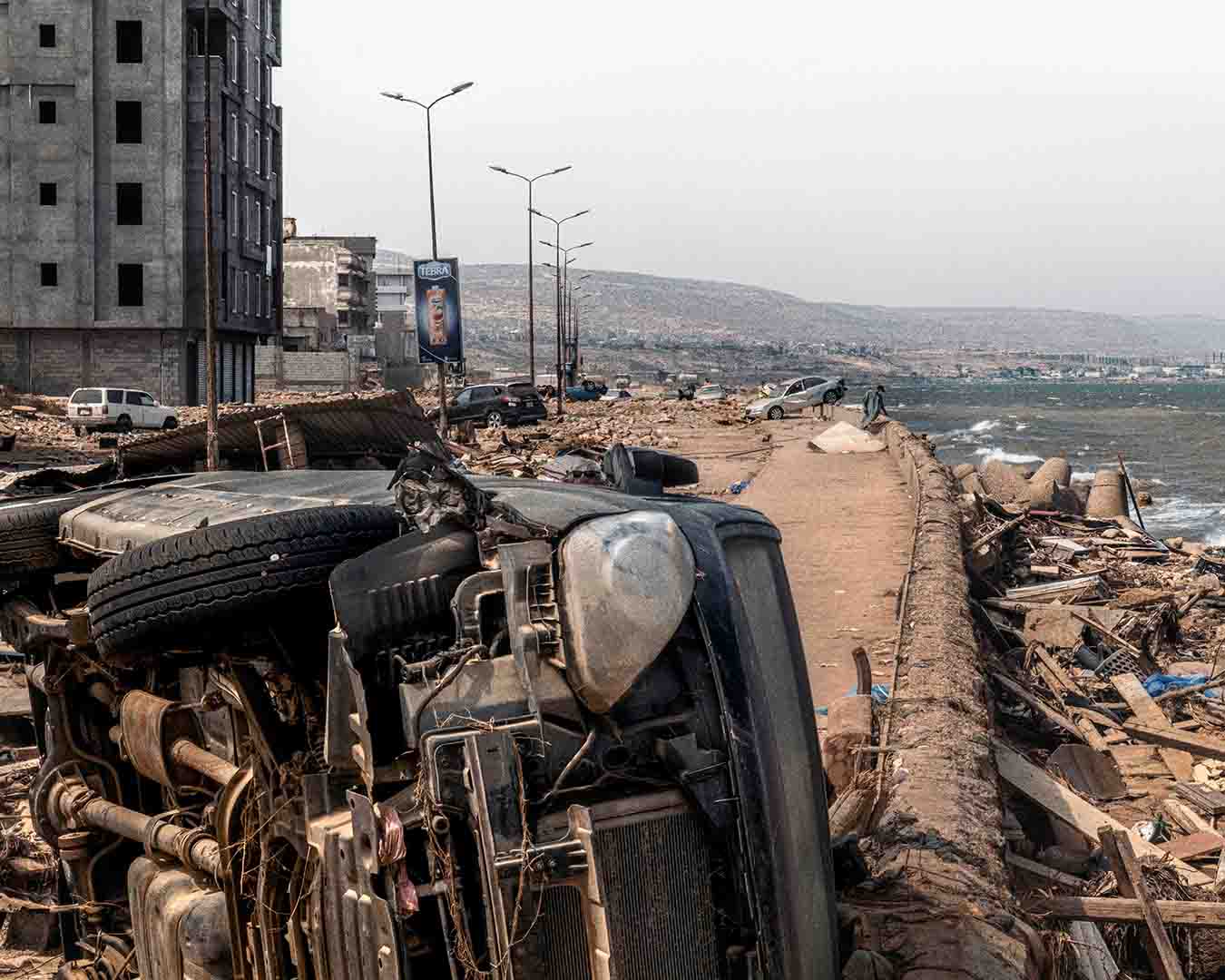
Has one of your shots ever been used in a misleading way to convey a specific message? How do you defend yourself against this?
Yes, on social media and sometimes in newspapers, they’ve used completely different captions or very wrong headlines; it caused me problems. It’s hard to defend yourself. If it happens, I write to the newspapers, but on social media, it’s more complicated. You try to get a correction, but the damage is already done; you have little control. I don’t understand how there are a thousand tools for audio copyright, but not for images.
I’d like to shift the focus from the subject to you: how do you prepare yourself psychologically to face a place like the front line?
Experience helps; my next stop is Syria. Having been wounded in the past, certain normal human processes trigger inside me. But this job is something you either do or you don’t. If I want to do it, I must be in a mental state that allows me to be ready; I stop thinking about everything else and focus only on that. You have to follow your instinct; if I feel like doing something, I do it, otherwise I don’t. Experience taught me to follow my gut, and you have to be psychologically strong to manage anxiety and fear. In those situations, your brain doesn’t stop thinking about the worst that could happen, and you have to try to concentrate on something else.
Is there a question about your work that no one has ever asked you, but that you feel is necessary to talk about?
Definitely the collapse of my profession. In Italy, photography is considered useless or just “filler,” but today images and video are predominant over text. The old newspaper system is destroying itself because it hasn’t been renewed; it gives little space to photography and doesn’t understand the importance of having people on the ground. Today, journalists stay at their desks, taking bits of news from here and there to “knead” a story, but if you aren’t there, you can’t tell anything. This is the truth. Newspapers are getting it completely wrong. A crude but accurate example is the success of [Fabrizio] Corona. He knows how to use communication and he is doing damage; he has his own thoughts and comes across as a serious journalist, despite everything.
By the end of our conversation, one thing became strikingly clear: photography does not console. It does not save. It testifies.