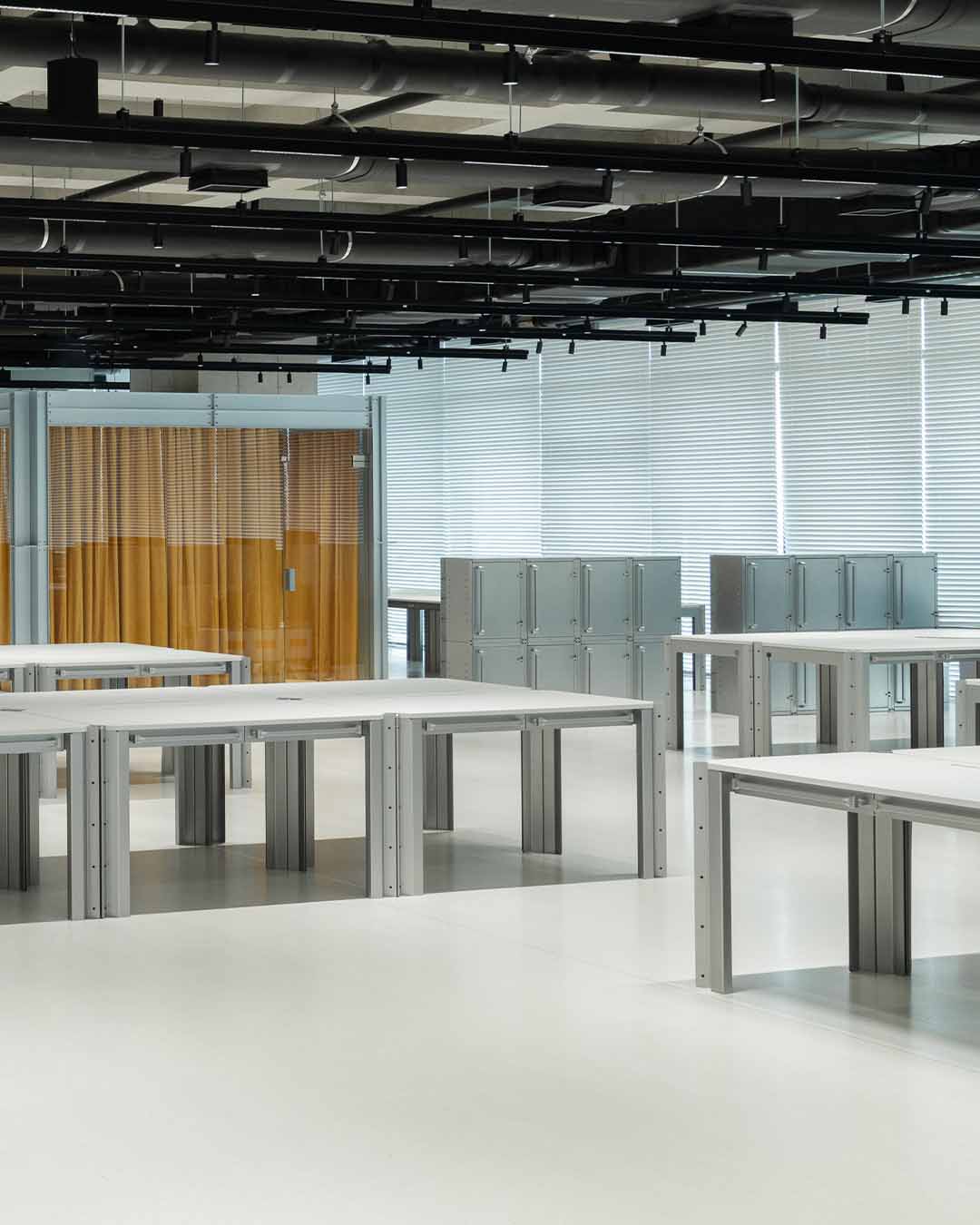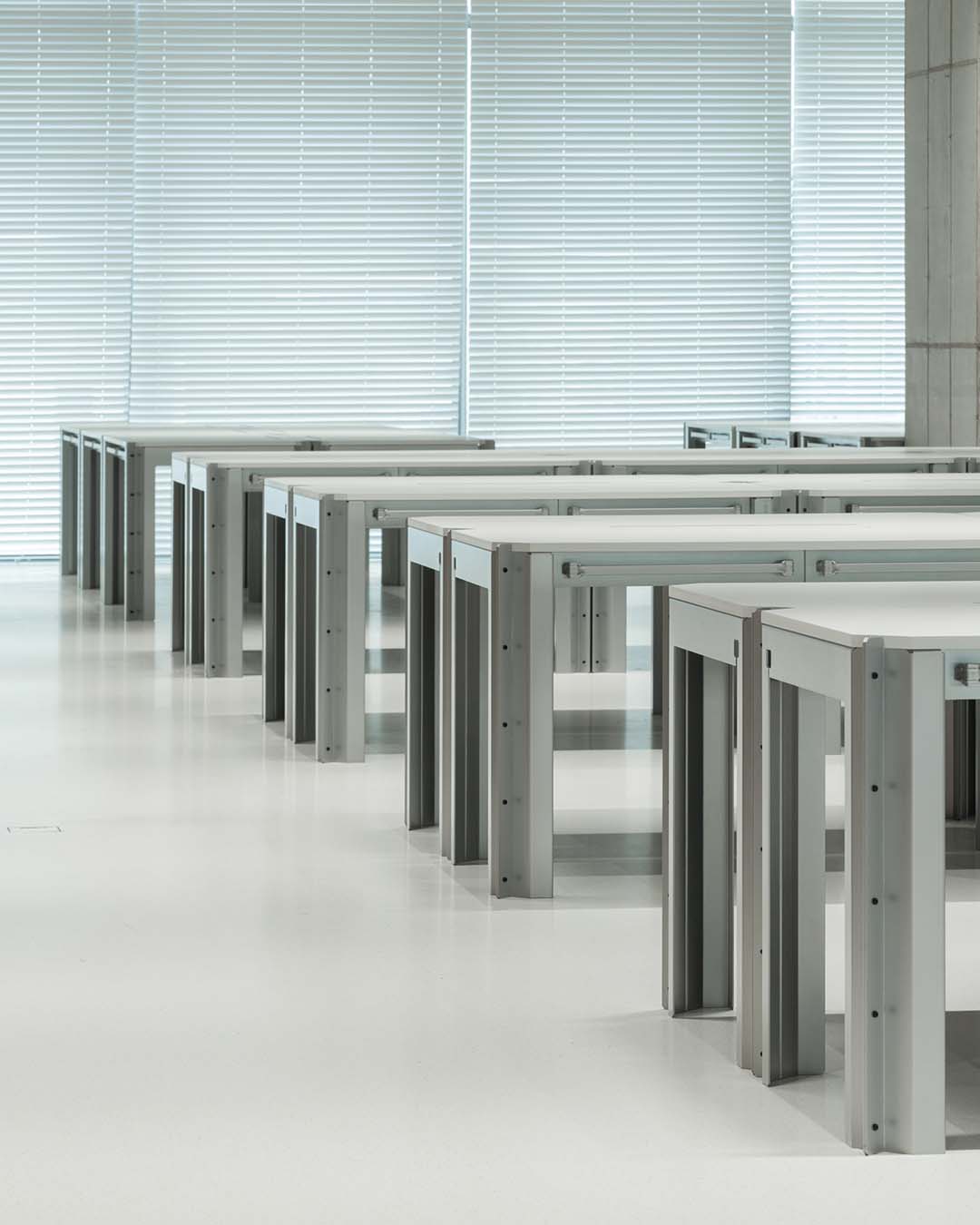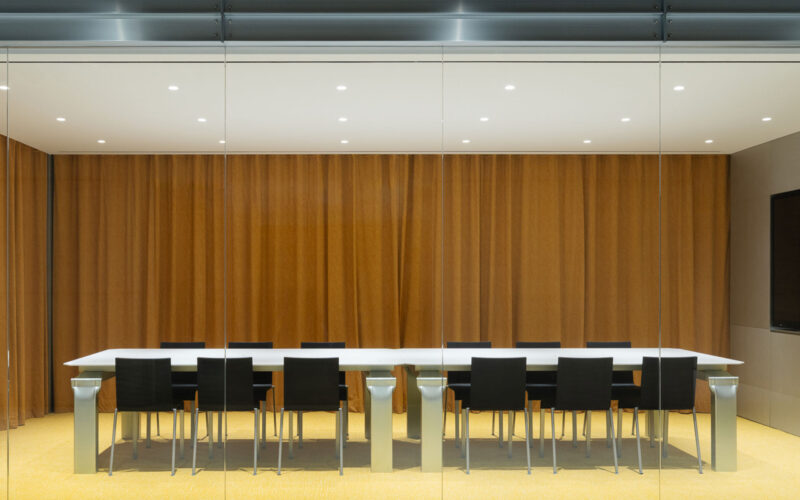
Entering the space, light moves across concrete surfaces and through large glass panels. The interior is open and minimal, with sculptural forms placed throughout. The furniture is designed by Tim Teven, a Dutch designer known for his work with metal and material deformation.
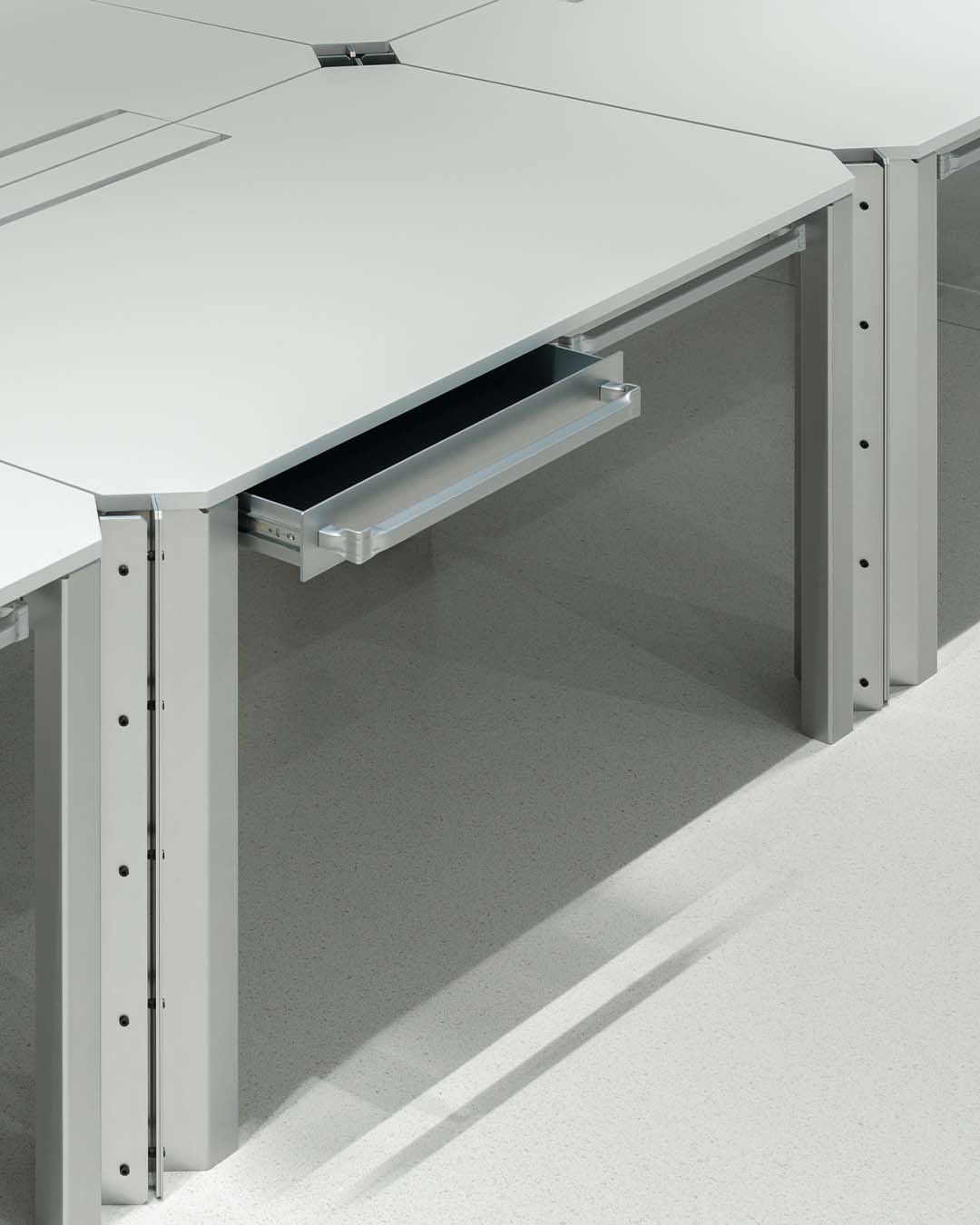
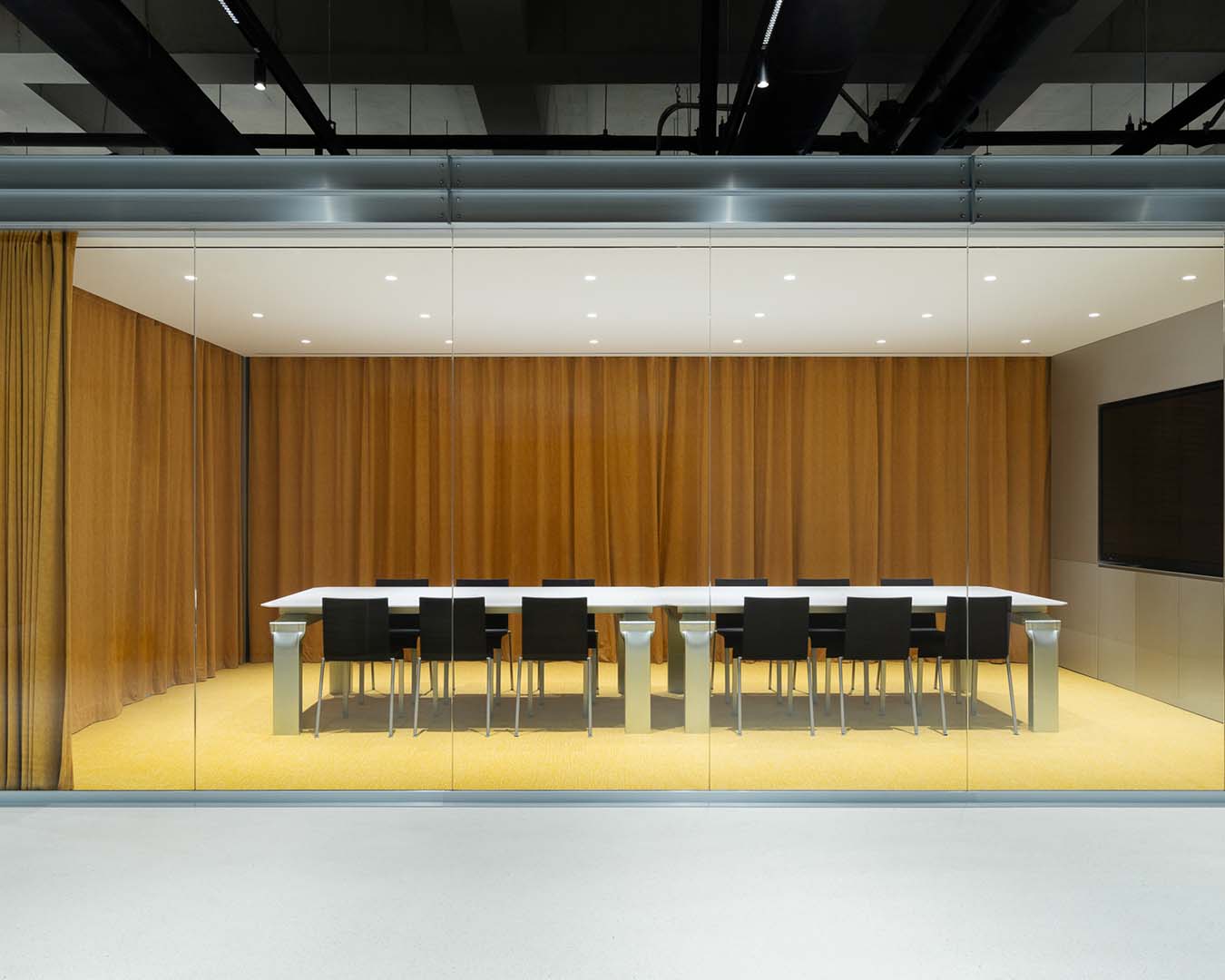
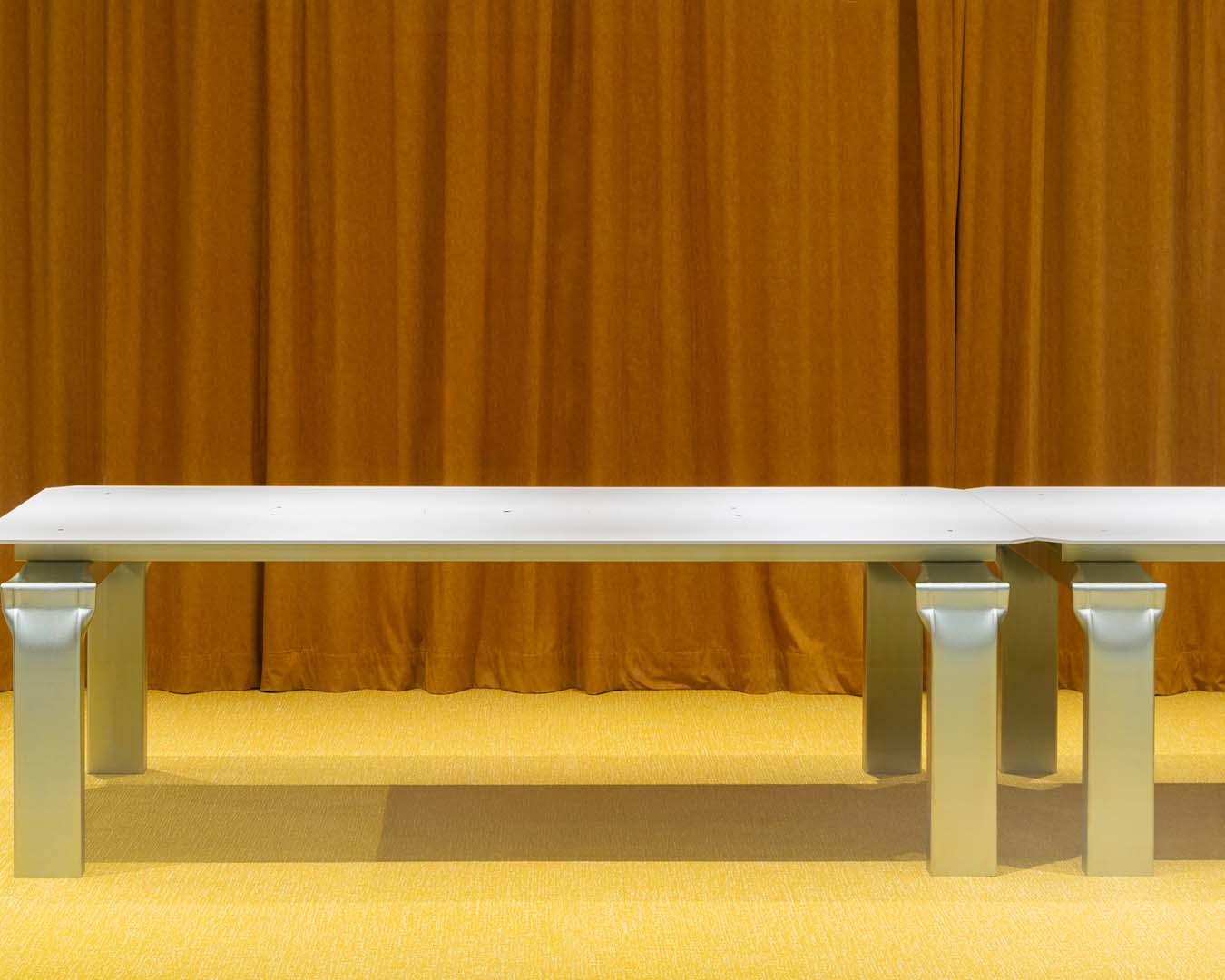
Teven often explores the balance between controlled distortion and refined form. For Haus Nowhere, he developed chairs, tables, and other elements by compressing and shaping metal sheets to create subtle texture and curvature. The pieces contribute to the identity of the space and support Gentle Monster’s focus on immersive, atmospheric environments.
Teven, a graduate of the Design Academy Eindhoven, belongs to a generation of designers who engage with industrial materials using craft-oriented methods. His work begins with common metals like steel and aluminum but results in forms that depart from standard manufacturing aesthetics. This approach has helped position his practice between experimental design and practical functionality.
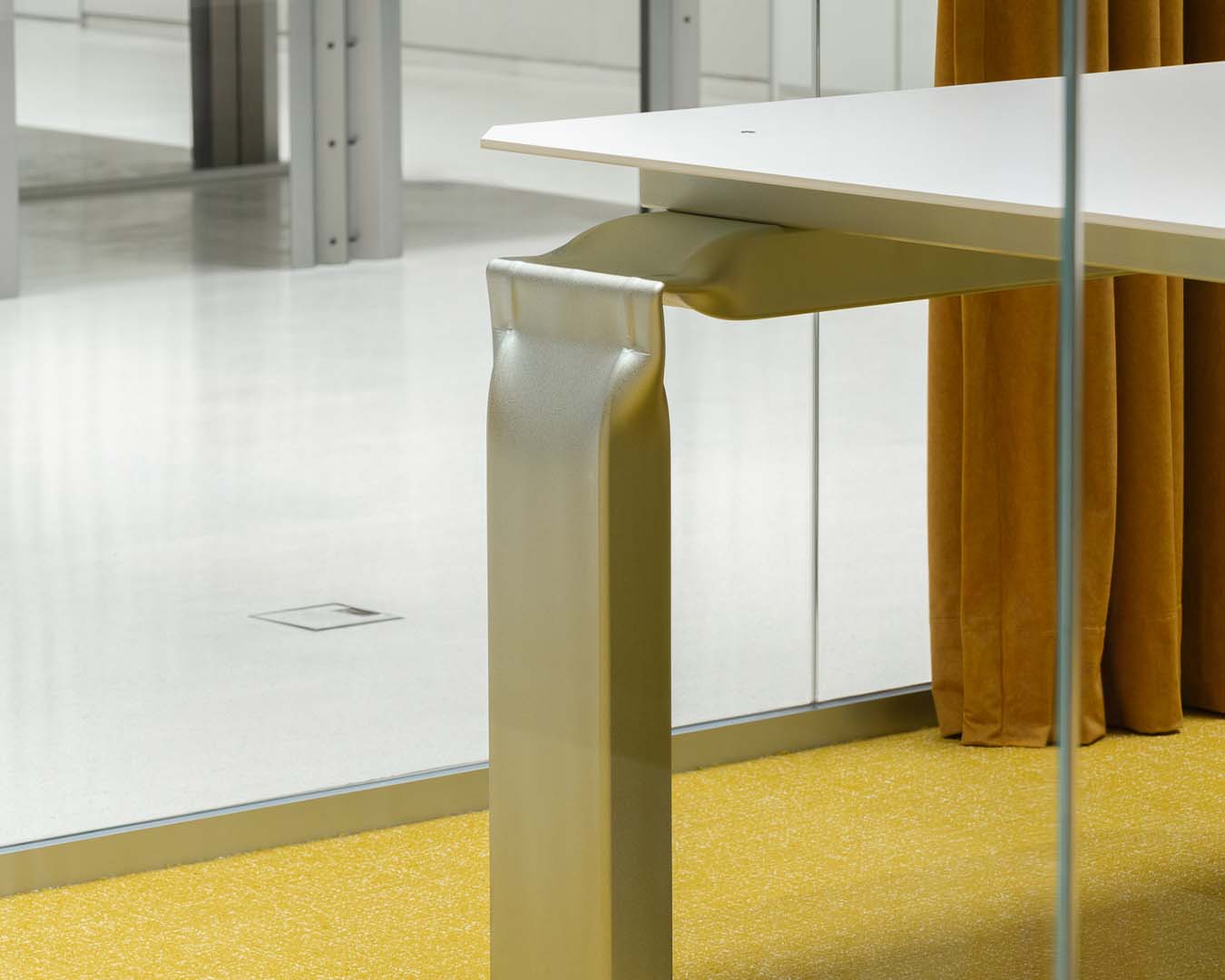
At Haus Nowhere, artisanal processes were adapted for scalable production. The furniture retains small variations—such as irregular folds or slight asymmetries—while still meeting the requirements of durability and consistency across multiple workspaces. The outcome is furniture that feels individual and crafted up close, yet performs reliably in a professional environment.

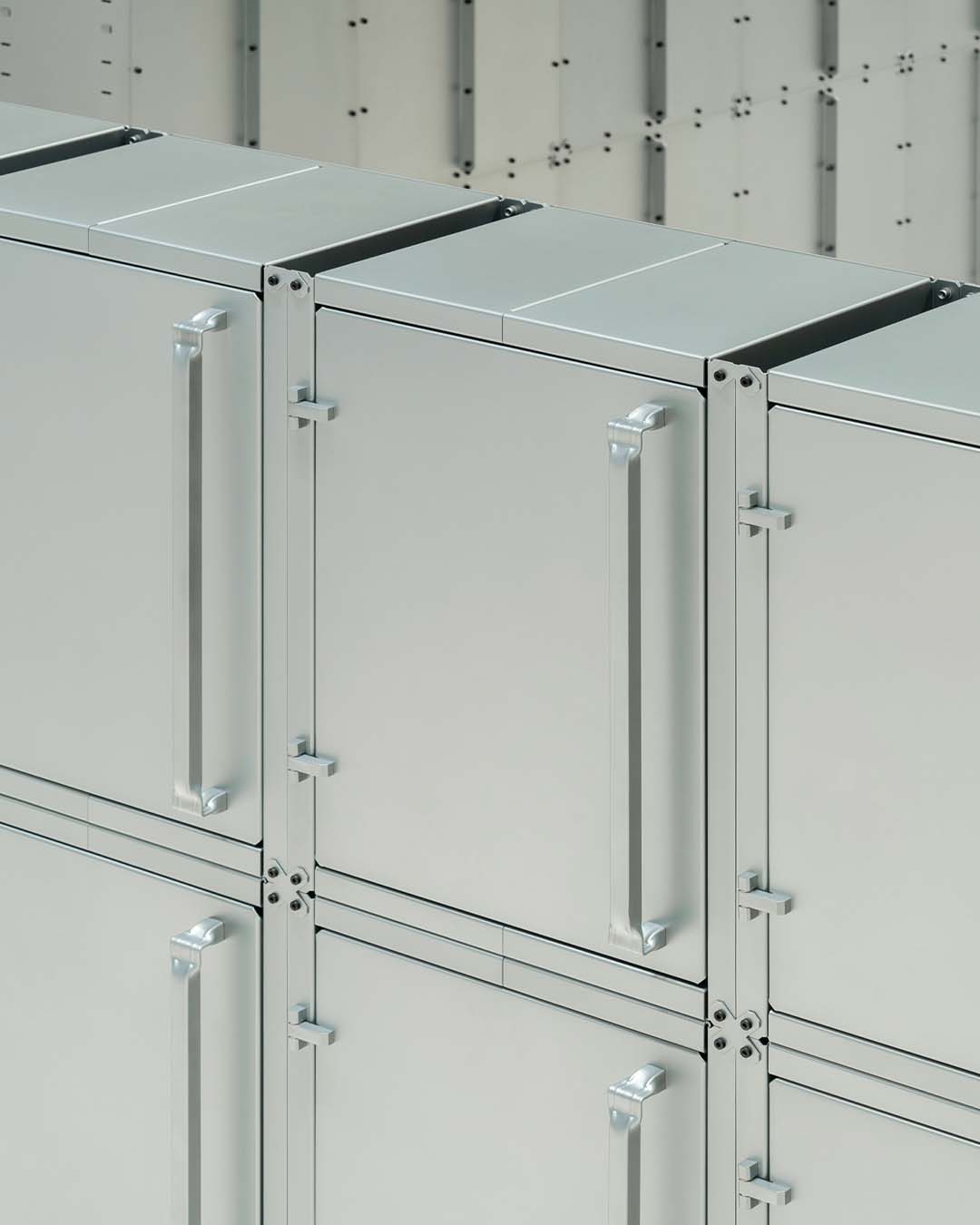
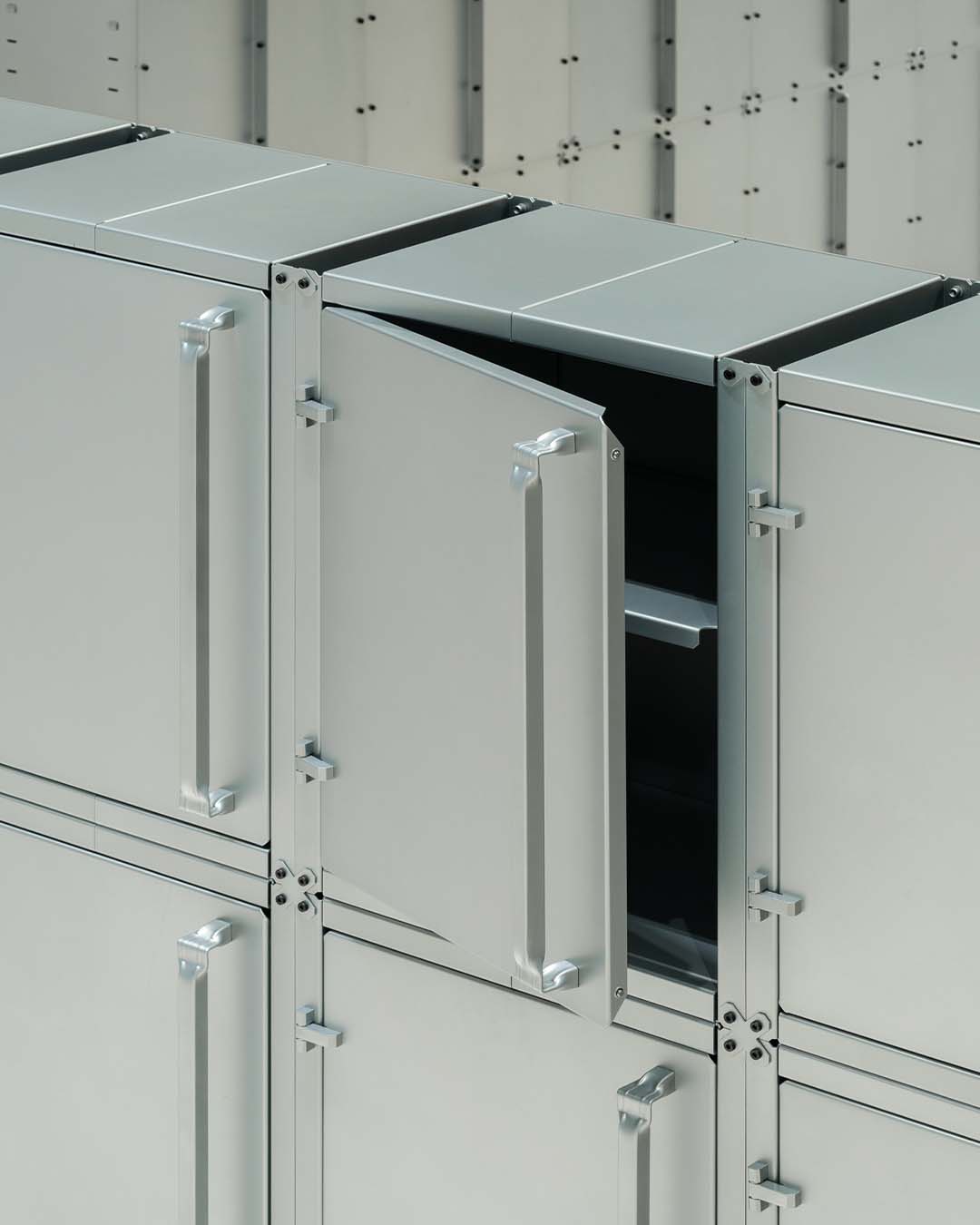
Close observation reveals pressed steel surfaces with soft, fabric-like ripples. The chairs have the simplicity of stools but are visually confident. The tables have edges that curve slightly rather than meeting at strict angles. The metallic surfaces reflect surrounding light, changing according to their environment.
Although designed for use in a corporate setting, the furniture does not appear purely industrial or mass-produced. It contributes to the overall tone and atmosphere of the headquarters.
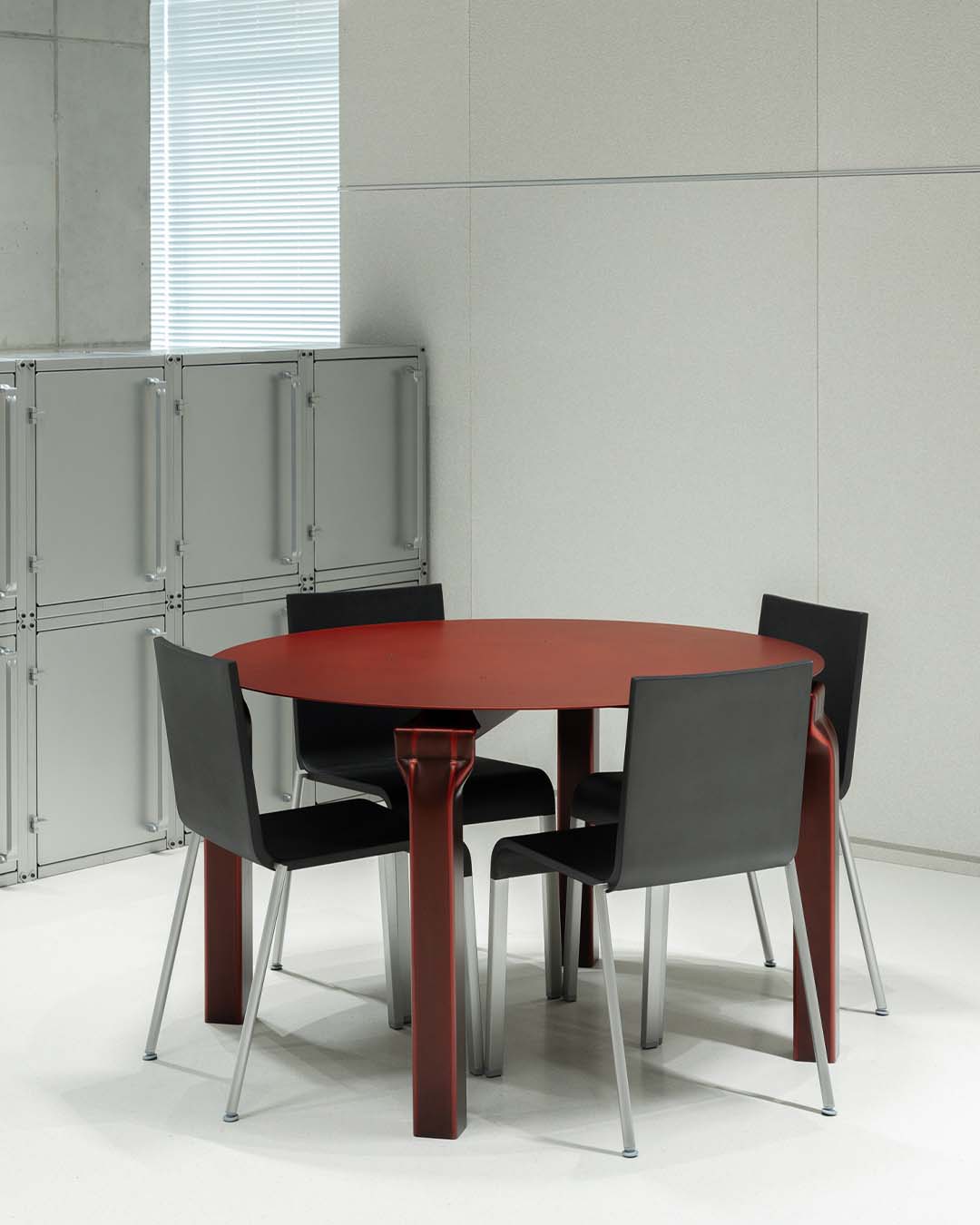
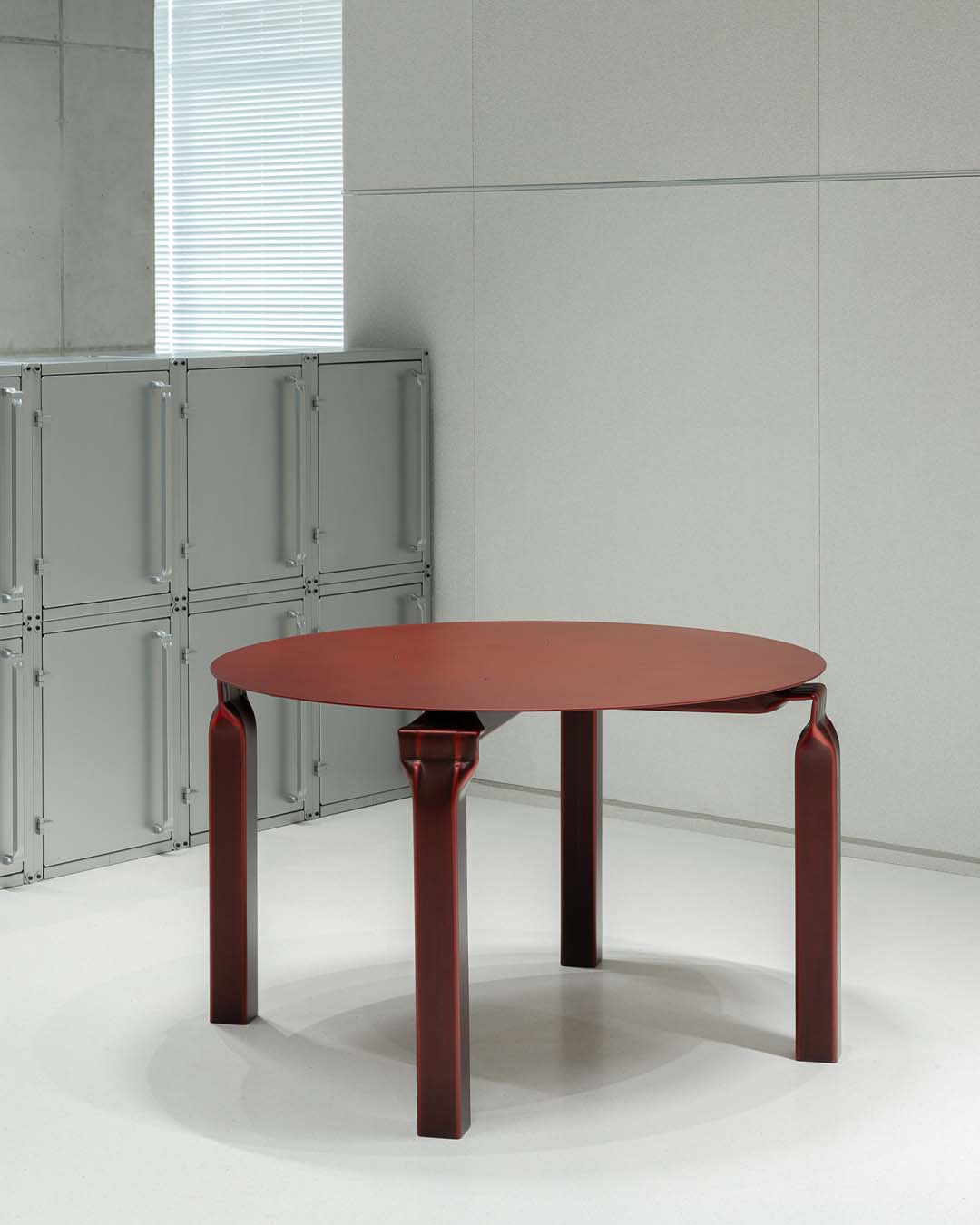

More broadly, the project reflects a shift in contemporary design toward maintaining a sense of human touch within scalable production systems. Teven’s work suggests that craftsmanship and industry do not need to be opposites, and that emotional engagement and innovation can coexist in workplace environments.
Here, the handmade is not presented as nostalgic or decorative, but as a relevant and active part of how spaces are shaped today.