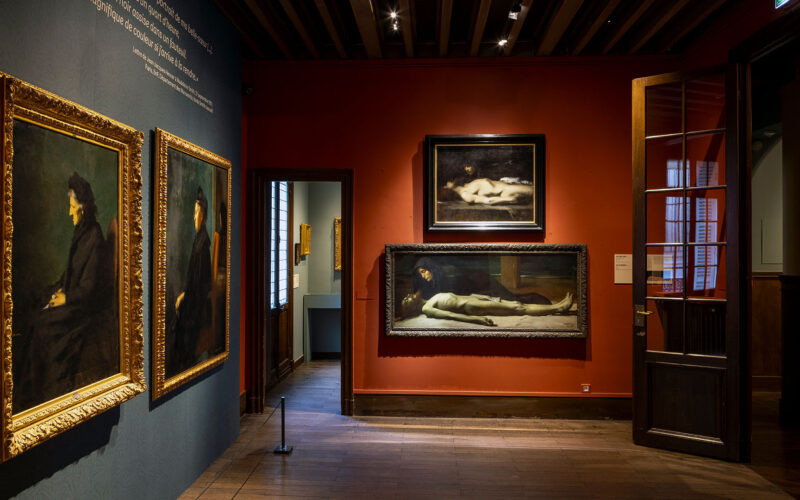
There are still ten days left to visit ELLES, a rare exhibition dedicated to female artists, in the heart of Paris less frequented by tourists eager for hustle and bustle, shop windows, colors and delicacies.
The Musée Jean-Jacques Henner, located in the heart of the 17th arrondissement, is a former 19th-century mansion turned unusual studio-museum. Dedicated to the work of Jean-Jacques Henner, the famed French painter with a taste for the nude, it is an architectural gem in the heart of the Plaine Monceau. Like its sister museum, the Musée Gustave Moreau, it is both an artist’s home and a large studio with ceiling heights that are a rarity in Paris, as well as an audacious cultural venue with a program that offers the general public today the results of over 5 years’ research.
The exhibition will soon be coming to an end, but its echoes of topical issues and the spotlight it puts on these 19th-century women artists may reverberate for decades to come. Such is unclear, and is the exact question that arises from the experience of this visit.
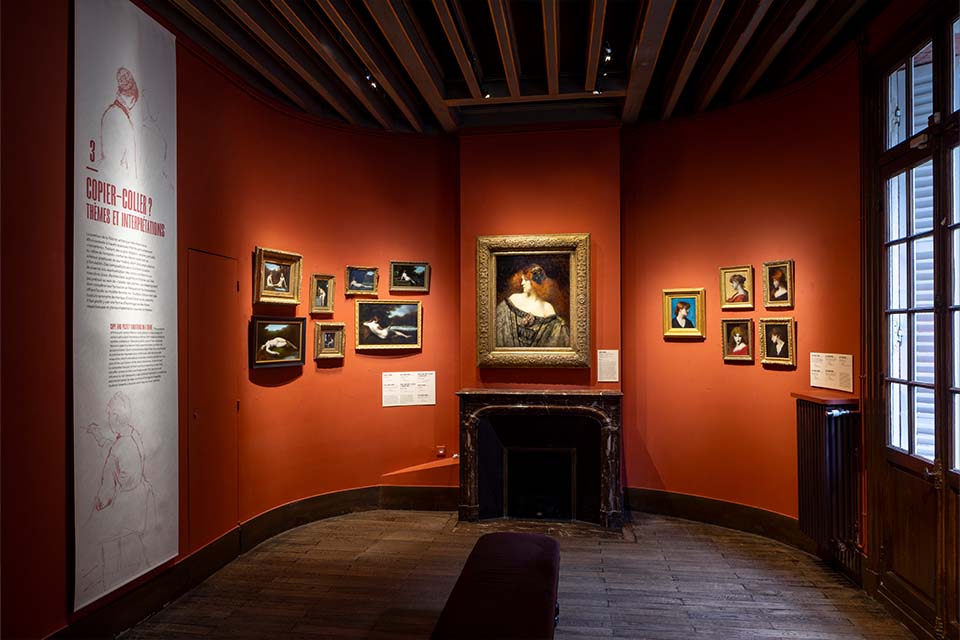
Alice in painting land
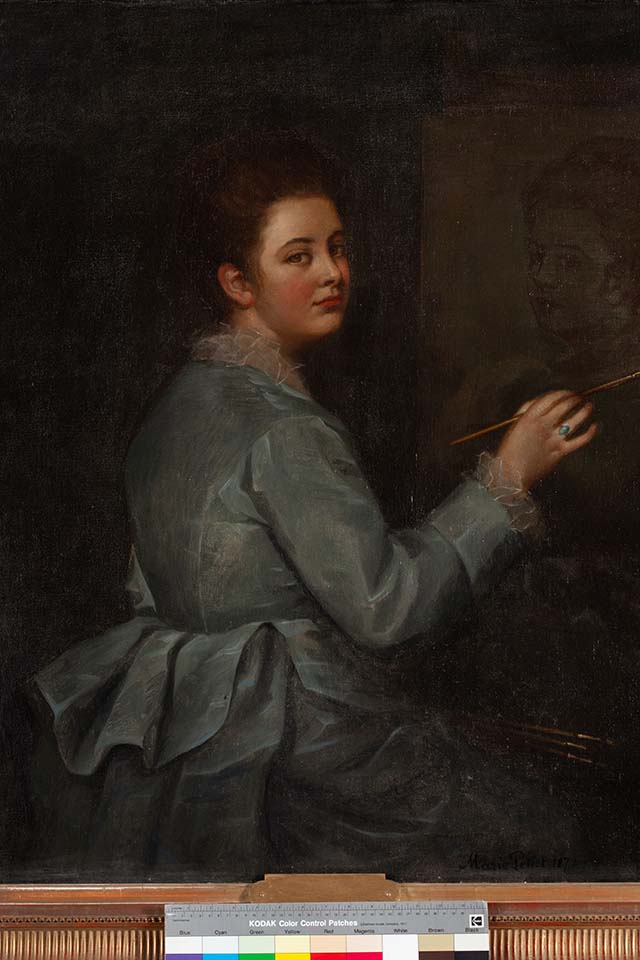
As had Alice, Louise Abbema, Madeleine Smith, and Juana Romani amongst others, many women eager to learn and practice painting went to the master’s studio, to take classes, work the material and gradually take flight.
These women decided not to pose, but to use their brushes as weapons of color to exist in a different way. To make visible is the painter’s job, but when you yourself are made invisible by society, there’s an antinomy, a major social and political issue at stake.
As Titiou Lecoq points out in her book “Les grandes oubliées de l’Histoire” (L’iconoclaste, 2021), throughout the 19th century, women fought for equal rights, within a variety of political movements, yet finding a line of total agreement on one key subject. “One fundamental demand united them all, beyond their disagreements: education”. This is what these women artists show us, united in their desire, their aspirations, their courage and their talents.
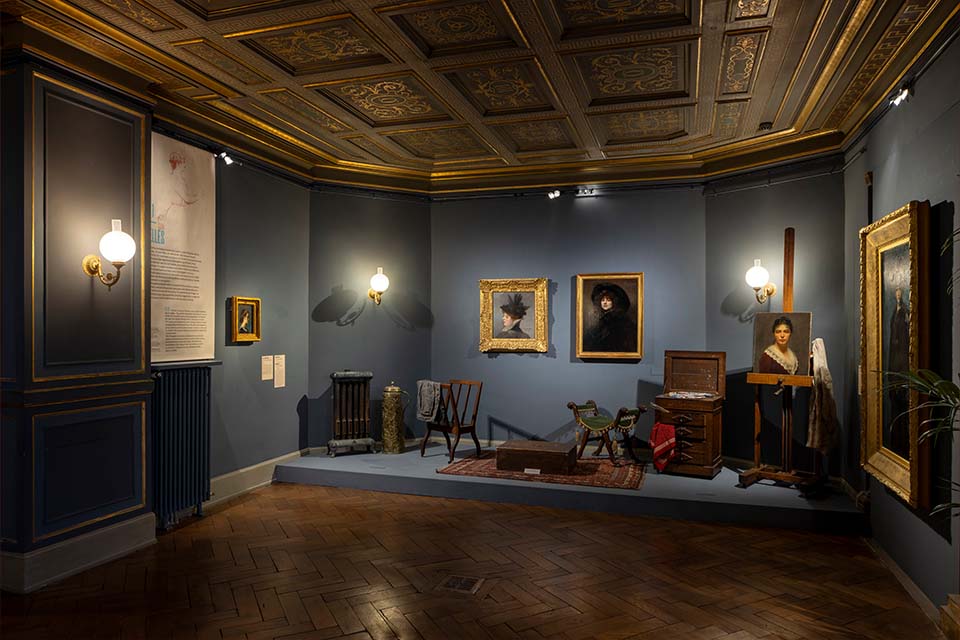
From master to pupil
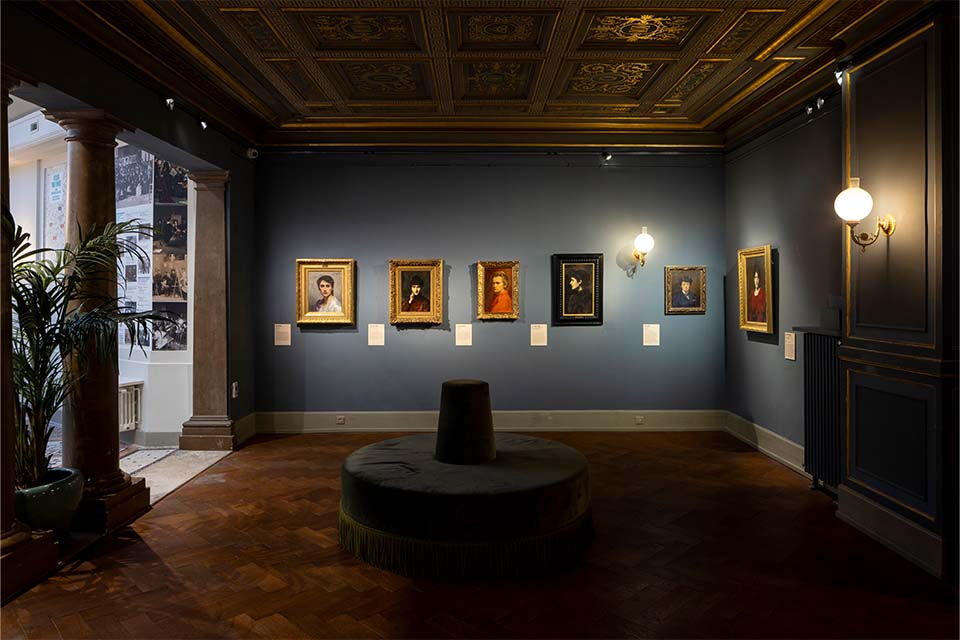
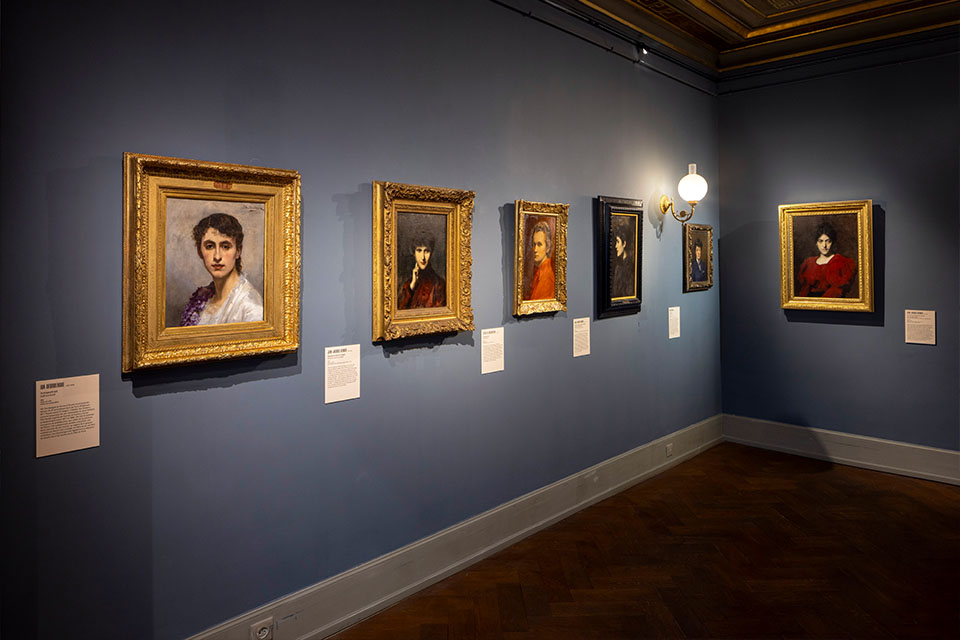
It wasn’t unti Jean-Jacques Henner had opened workshops for women, with painter Carolus-Duran in particular, that women were able to step through the looking glass. It was in 1874 that the master painter and his colleague opened the “Atelier des Dames” in Paris, at a time when women, thirsty for learning and emancipation, were embarking on an artistic journey. Yet, it wasn’t until 1897 that the Paris Ecole des Beaux-arts opened its doors to them, so they studied in private studios, even if it meant cramming into less-than-ideal conditions. The first thing that strikes one looking back on this time is the international nature of the student body. Coming from all over Europe (Italy, Switzerland, England, etc…), these students learned to draw from a model, to paint in oils and, more particularly, to paint portraits. Working on large formats, they produced sublime portraits – sometimes for commissions – of actors, parents, children, sisters…
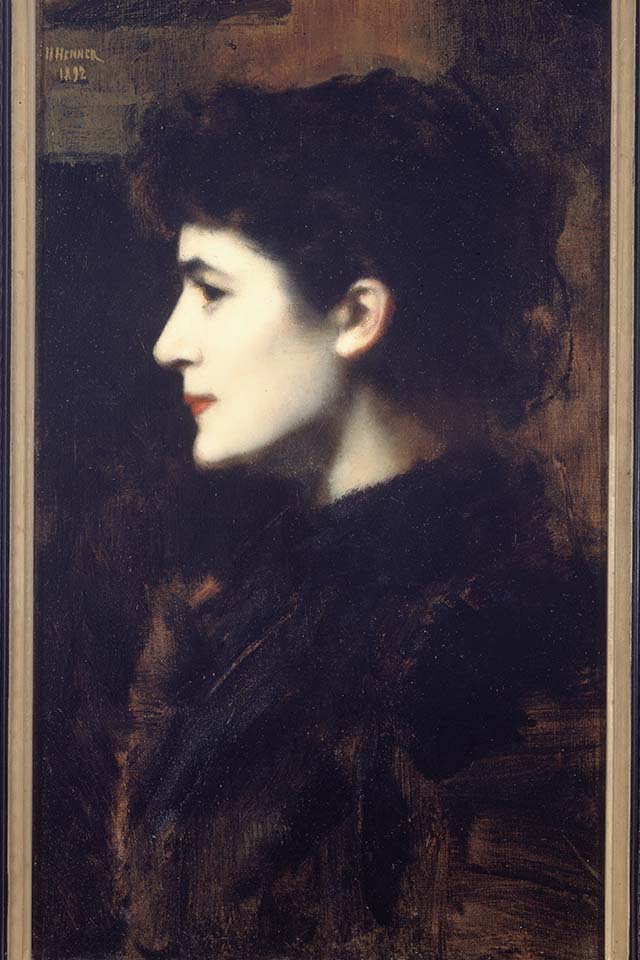
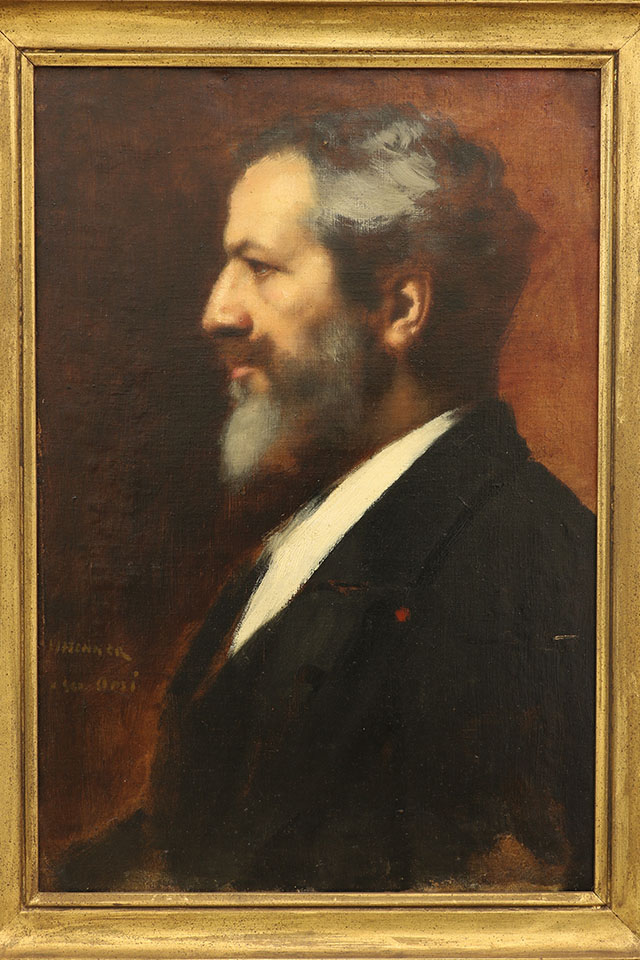
Jean-Jacques, the artist-teacher, excelled in the art of portraiture, which is what he mainly passed on to his pupils. He painted in a rather classical color palette, dark, black backgrounds and pale complexions, emulating the master’s romantic, symbolic influences. his pupils began moving towards more modern tones sometimes derived from their subject’s outfits, emancipating themselves from their heritage, finding their own style.
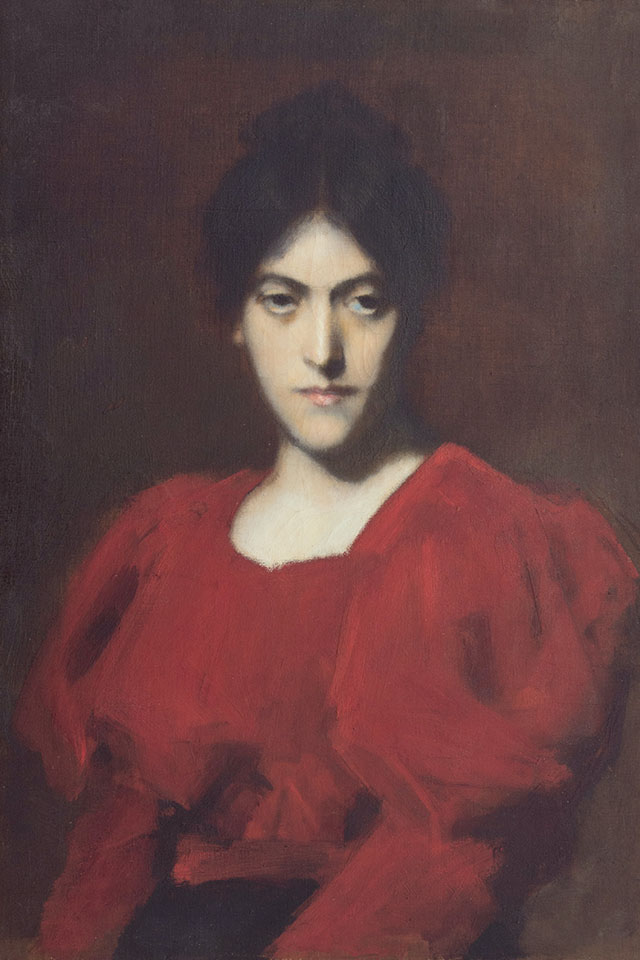
Visible / In-visible
These women artists, committed to taking their place in the androcentric artistic society, demonstrated a great sorority spirit. They rented studios together and organized themsleves to make contacts in the high society of the time, to make themselves known, to exhibit, to sell. Portraits of contemporaries, enabled some students to earn a living, present paintings at art fairs, make a name for themselves in bourgeois circles, and ultimately provided them grounds to continue their artistic work. Only a handful of the 152 students surveyed by the archive actually made any sort of living from their art and were able to claim distinctions, even fewer achieved fame even after death.
Politics & Art, visibility
The exhibition, the fruit of several years research, is intended to be the sum of academic and institutional work. The aim is clear: shake things up and bring forgotten artists back into view. Time will tell if this approach will be rewarded. In 50 years time, will we no longer need this kind of positive discrimination to promote representation?
Will women establish a place in the history books outside the few specific works devoted to them? Are we ready to put color, text and image back into the place of erasure? Much is left to be seen. Exhibitions like ELLES bring exposure to the overlooked. Yet, it is unknown if the gaze of contemporary viewers acn restore art history to its true form, one that includes the women who contributed to its influence.