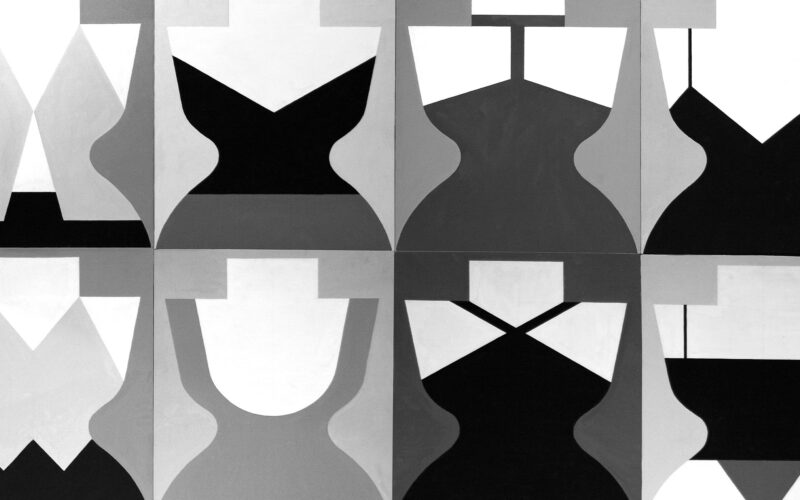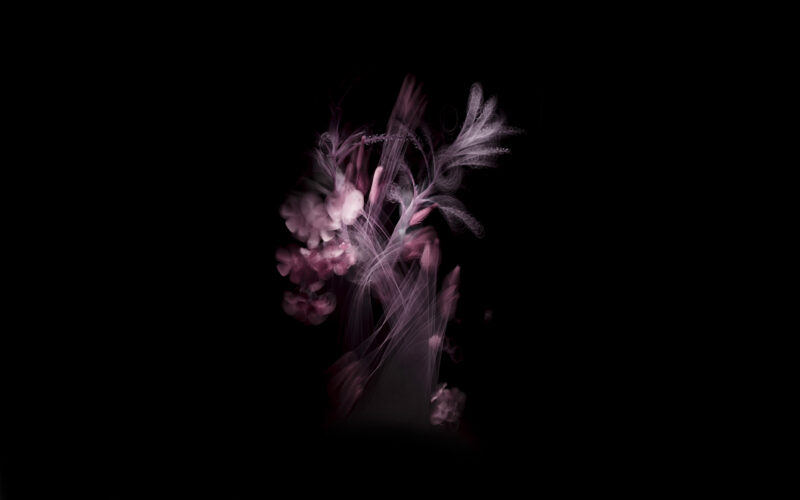
In just a few years, generative artificial intelligence has transformed the world of design. What began as a means of automating repetitive tasks has evolved into something far more radical: machines can now create images, objects, environments—entire dreamscapes—from a single prompt. This is not simply a technological shift. It is a redefinition of what it means to have an idea, a project, or a vision.
Design, once the exclusive realm of human ingenuity, is now entering a hybrid era. Here, AI is no longer a passive tool but a creative partner—suggesting forms, influencing styles, and anticipating needs. This raises a central question: who is the true author of the work? The answer is not technical, but cultural. Authorship is no longer measured in brushstrokes or models, but in the choices, direction, and sensibility through which humans interpret, curate, and elevate the machine’s output.
New Projects in Dialogue
At Zaha Hadid Architects, evolutionary algorithms are being integrated into the design process, enabling software to explore fluid, unexpected morphologies—forms that surprise, seduce, and challenge architectural convention. The results are not finished buildings, but provocations. It takes a human eye to refine them, anchor them to context, and translate them into structures that can stand, serve, and inspire.
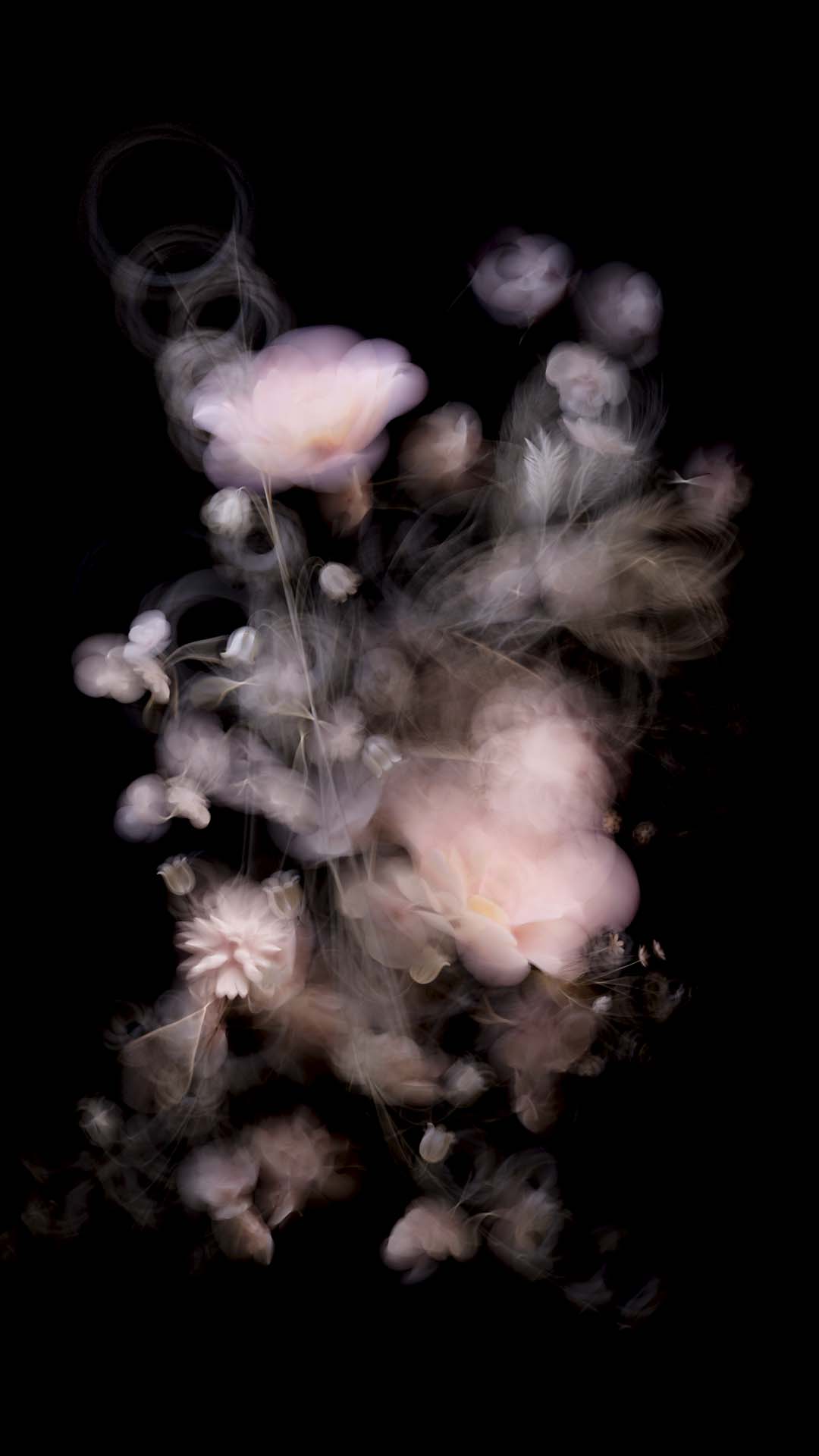
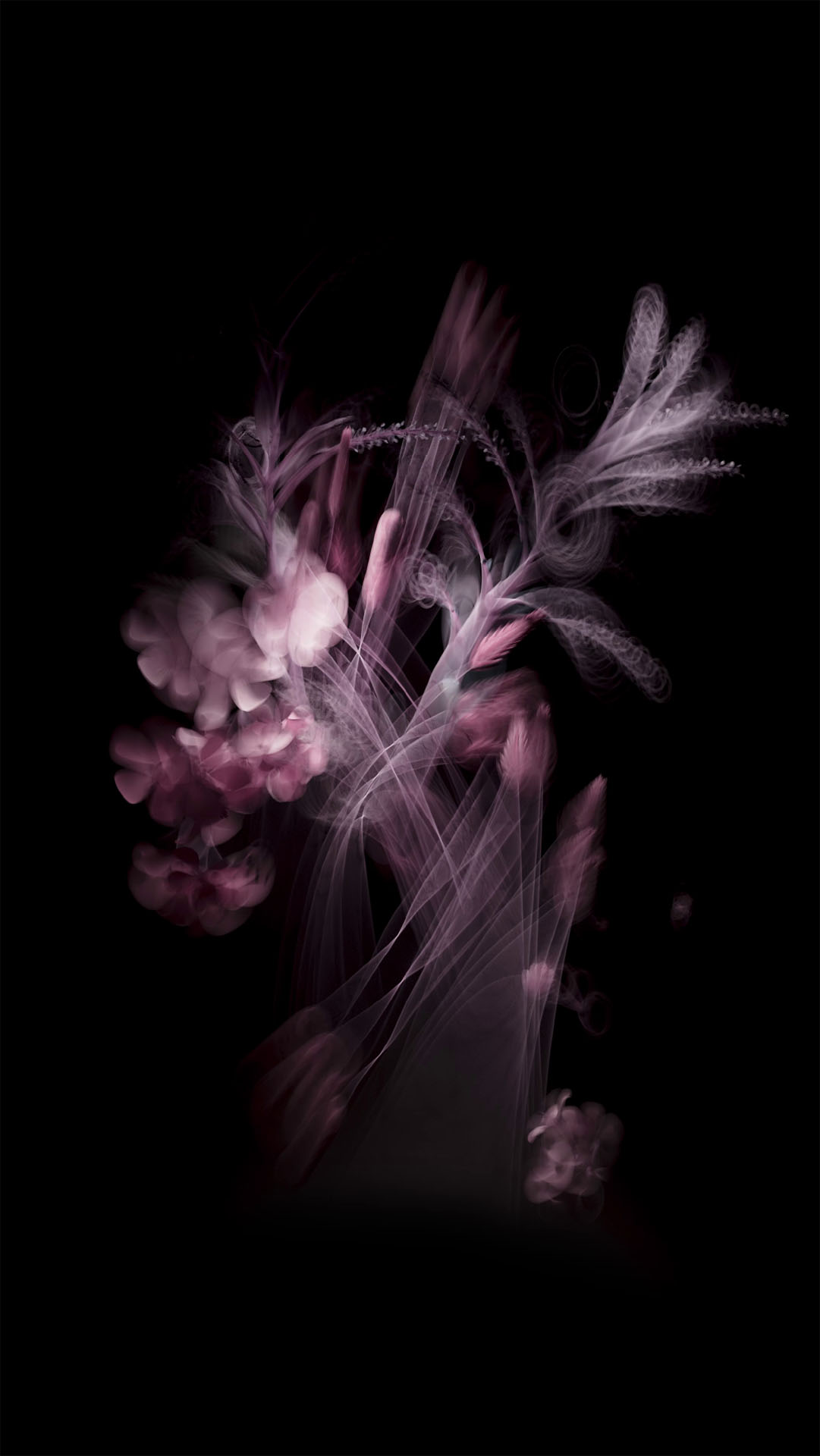
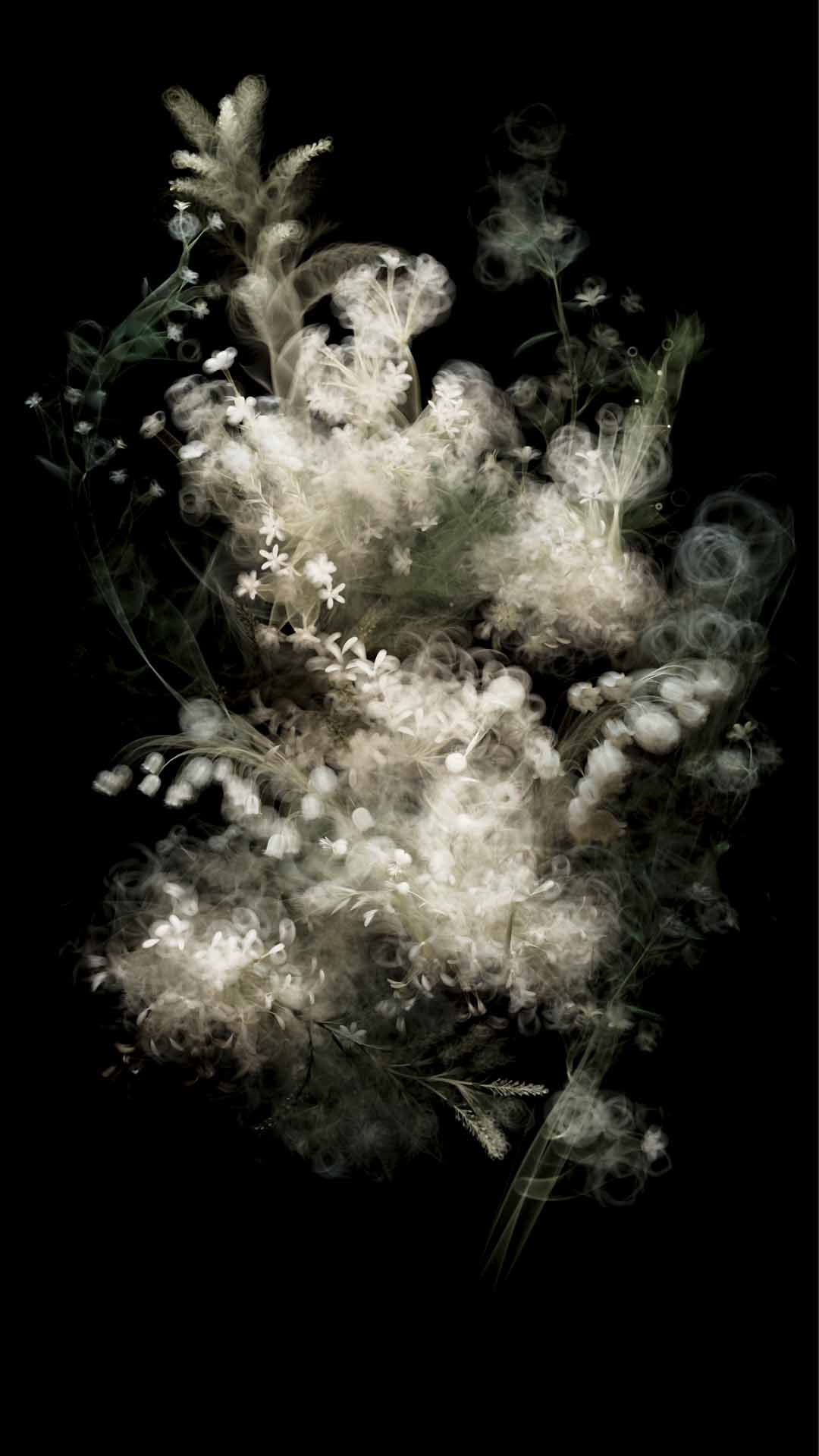
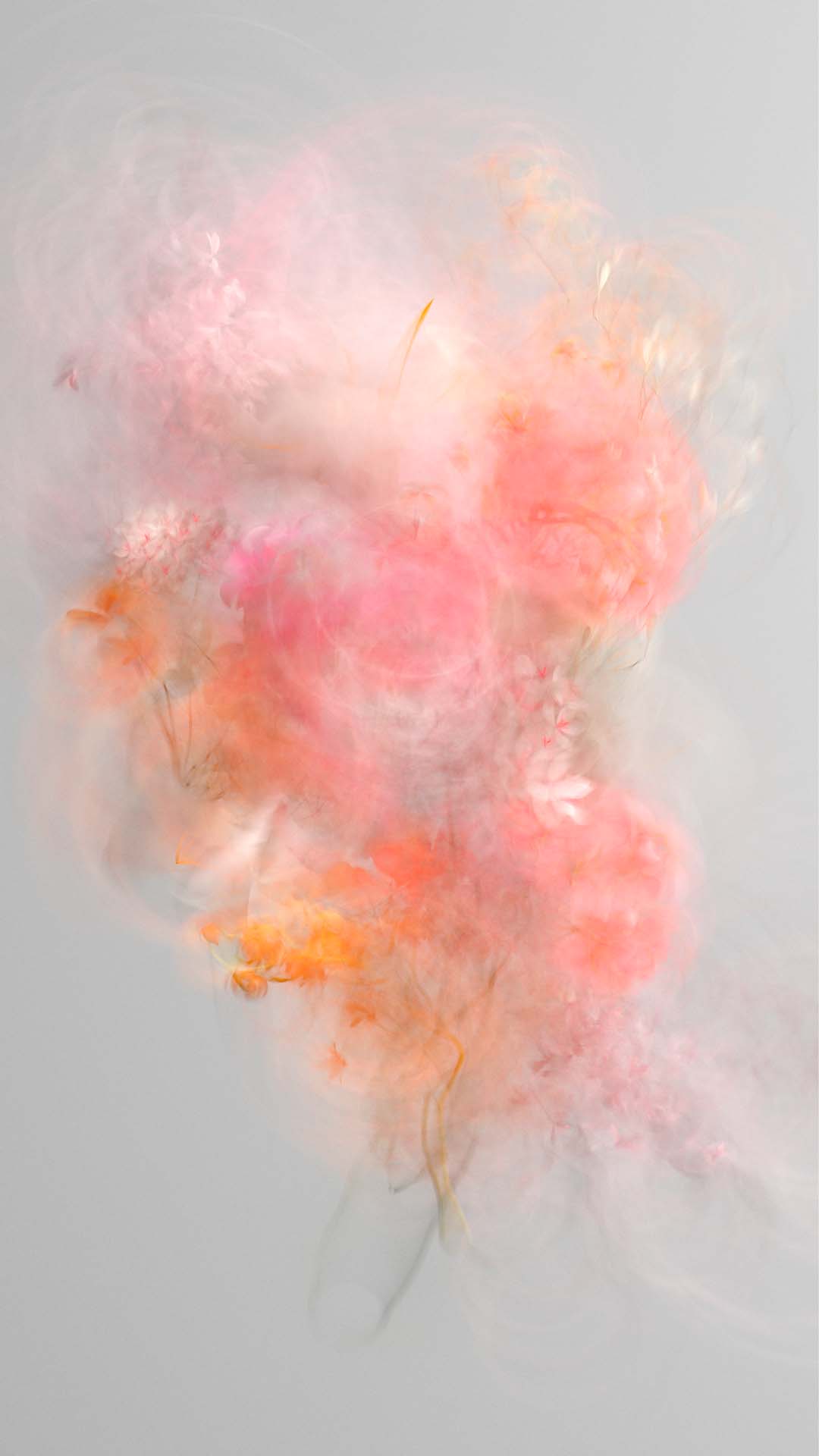
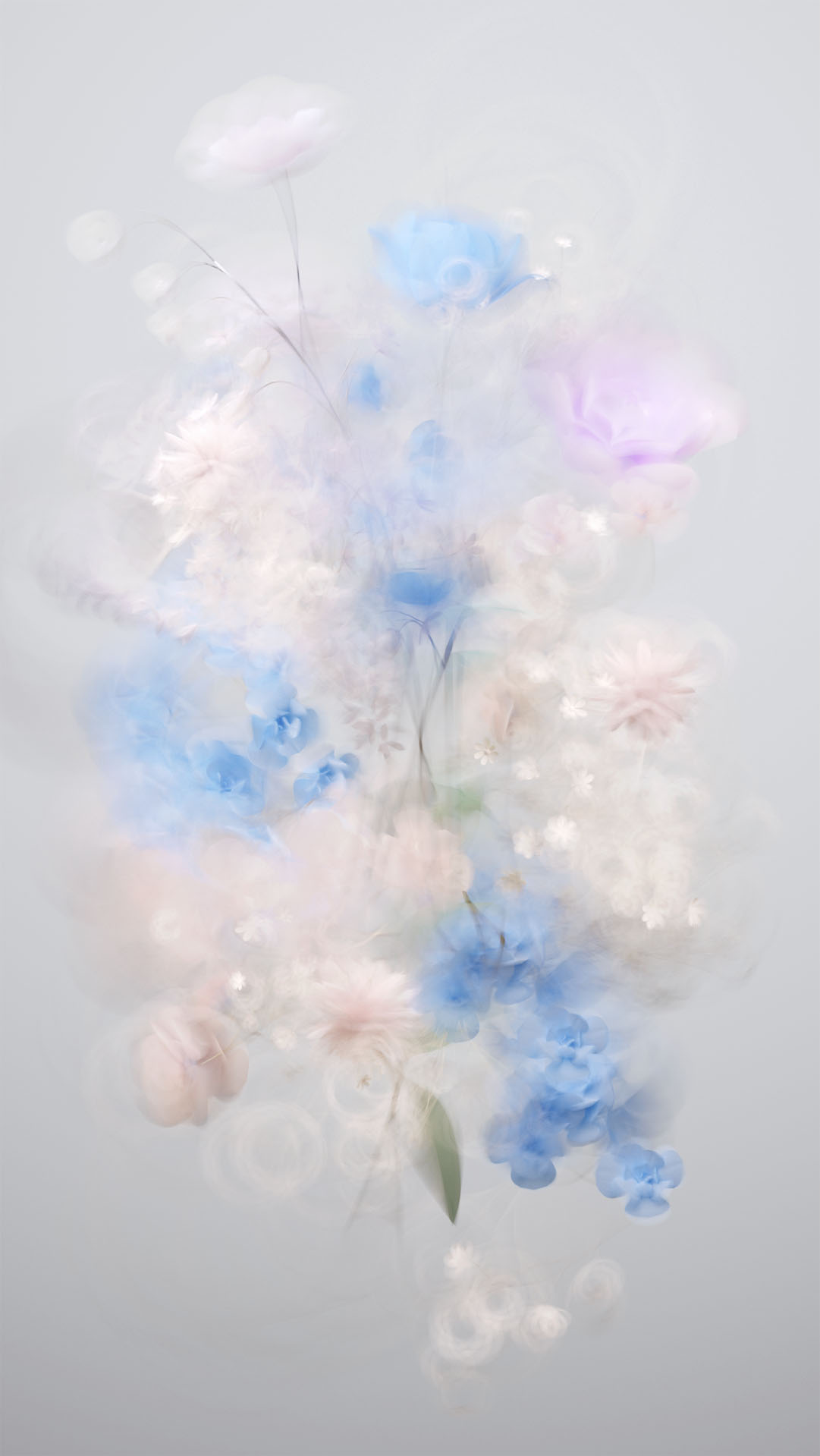
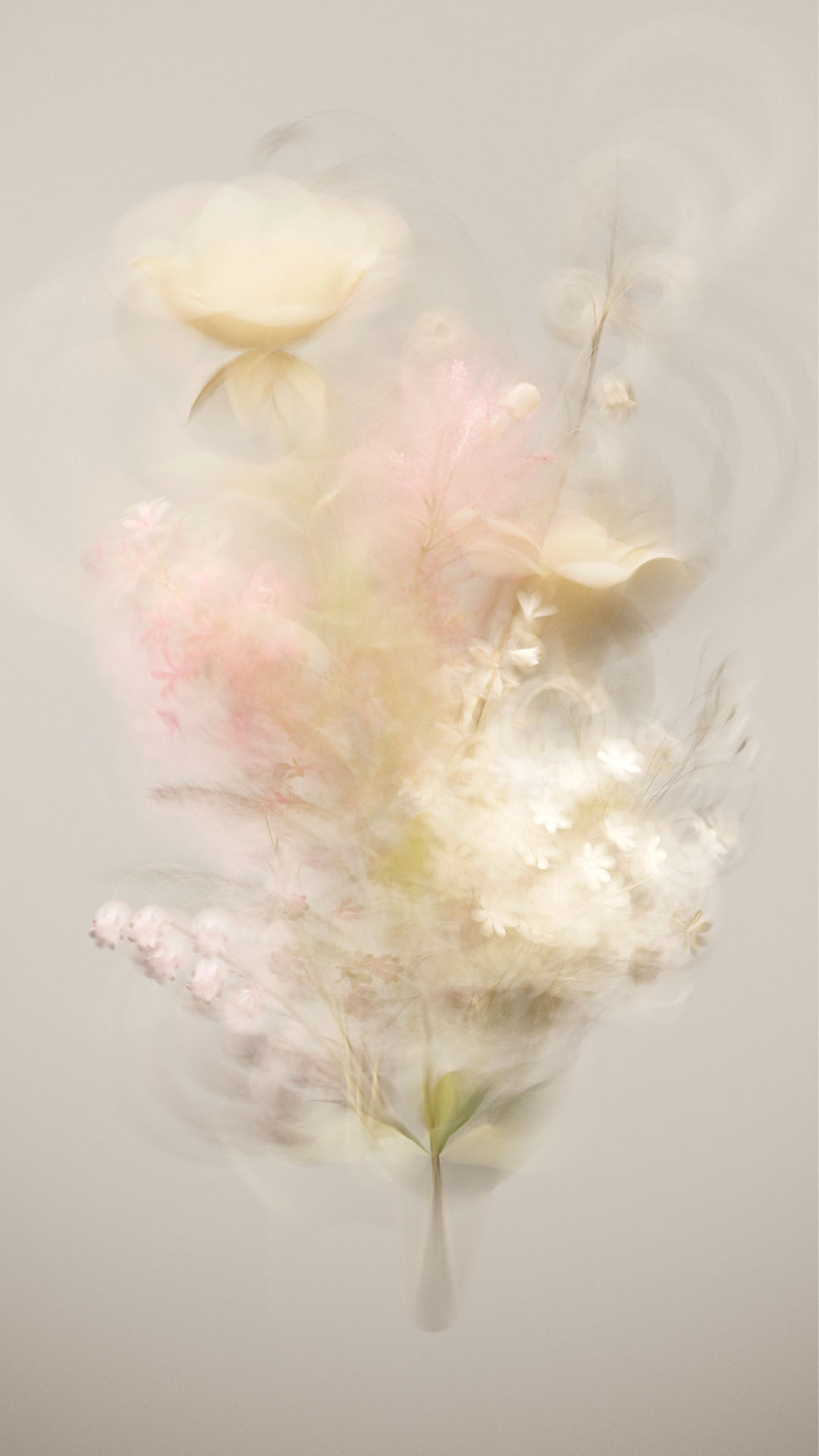
If Zaha Hadid Architects uses AI as a sketchbook of formal possibilities, Andrés Reisinger treats it as a portal into entirely new worlds. Known for his pastel-hued dreamscapes that blur the line between digital fantasy and physical design, Reisinger embraces AI as a collaborator that expands the boundaries of his imagination. His projects often begin as algorithmic visions—furniture, interiors, and atmospheres that defy gravity and conventional logic. These are then sculpted in 3D, tested virtually, and, in some cases, brought into reality piece by piece.
What began as a series of virtual works created in dialogue with AI soon became a global sensation, with collectors bidding on digital objects that later materialized as physical pieces. The algorithm proposed radical, otherworldly forms; Reisinger acted as curator and interpreter, choosing what resonated, refining proportions, and grounding the fantastic in poetic but livable form.
“I don’t use AI to produce. I use it to provoke myself,” he says. “It’s a lens that shows me something I would never have imagined on my own.” This philosophy—as AI as catalyst rather than replacement—echoes through the work of other designers such as Marcel Wanders and Nika Zupanc. For them, as for Reisinger, the machine’s output is raw material: intriguing, but incomplete until shaped by human sensibility. Left alone, AI’s creations remain abstract and untethered; through human curation, they gain context, narrative, and emotional depth.
This shift, however, requires a new literacy. Writing a clever prompt is no longer enough. Designers must learn to read AI’s visual language: to sift through hundreds of variations, to recognize what feels fresh rather than derivative, to know what to keep and what to discard. Increasingly, creativity lies not in generating, but in discerning—and in making it sing.
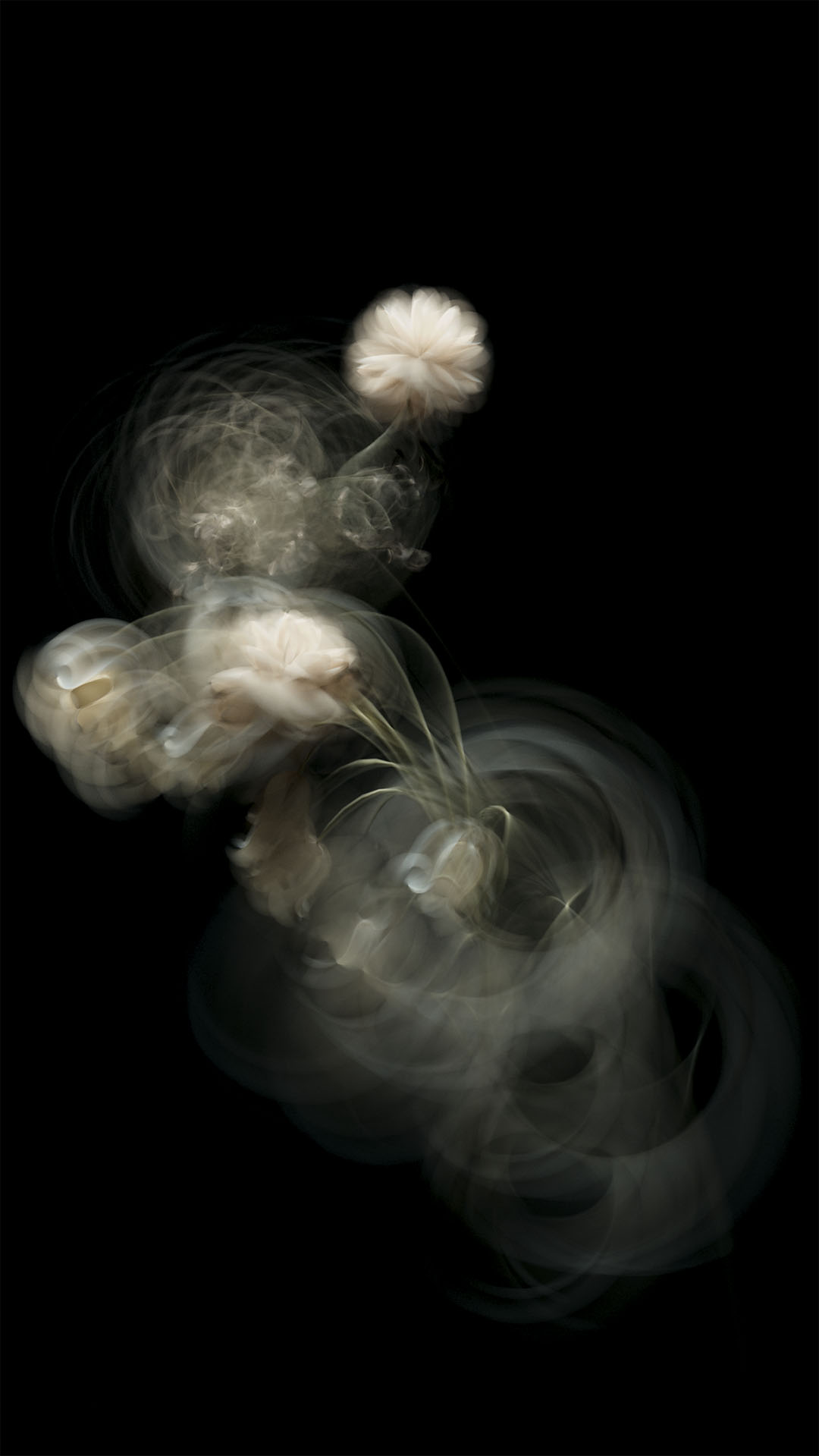
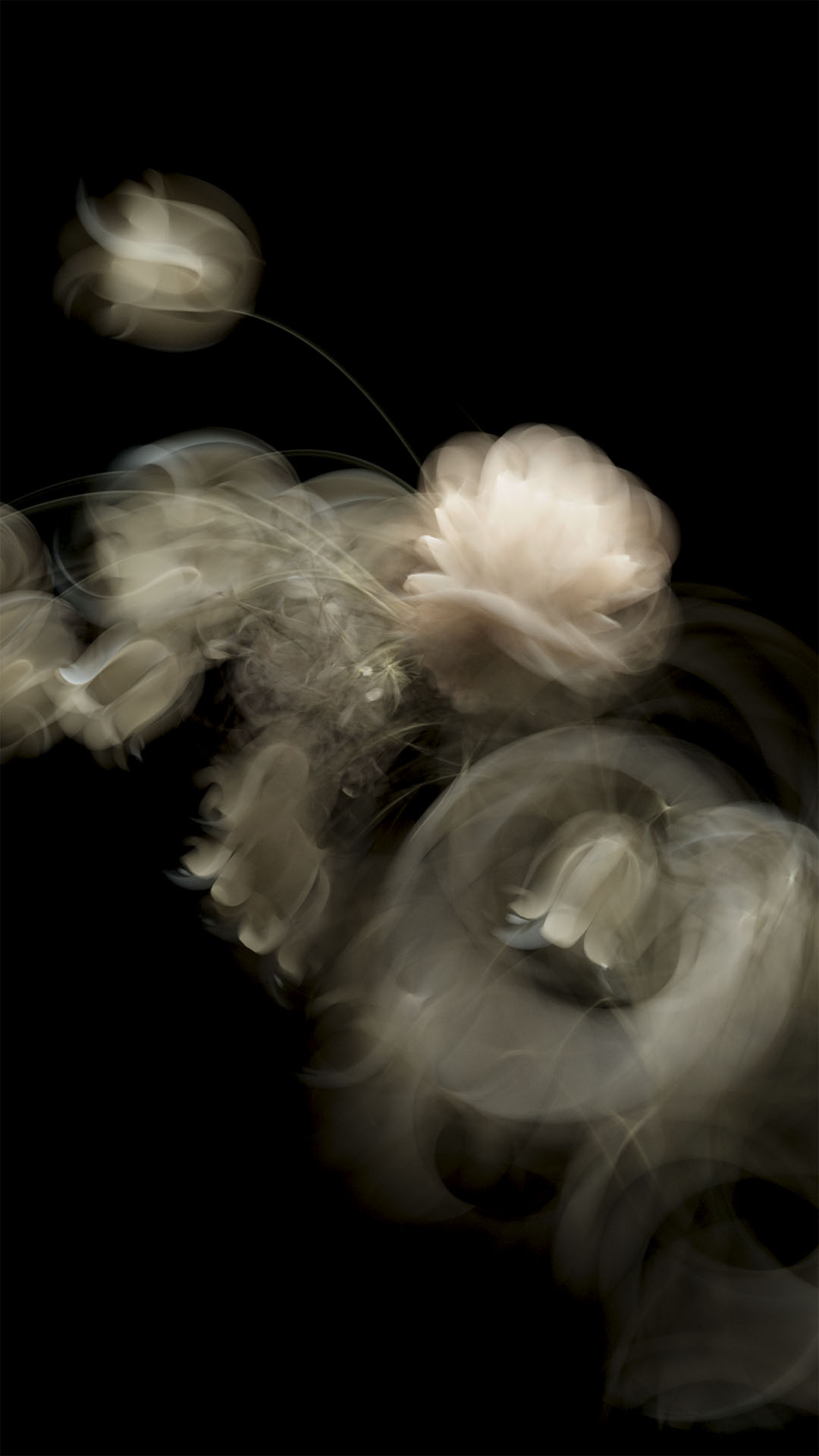
When AI Generates, Humans Sign
The rise of AI in design and architecture raises more than aesthetic questions. It challenges our very definition of authorship. If an algorithm draws from a vast archive of human-made forms, who is the creator? Copyright, designed to protect human authors, struggles with these hybrids. The machine offers endless variations, but has no intention, no aesthetic judgment, no ethical compass. It is the human designer who filters, interprets, and transforms these fragments into projects that inhabit the real world.
Authorship, then, lies less in the final product than in the process: the decisions, the vision that turns accidents into innovation, the critical eye that knows when an AI-generated curve becomes a story, a space, or an object. The prompt, once seen as a command, becomes a creative gesture. The act of choosing among hundreds of digital offspring becomes the signature.And while AI may expand the boundaries of what is possible, the essence of creativity remains profoundly, unmistakably human.
Creativity Becomes Collaboration
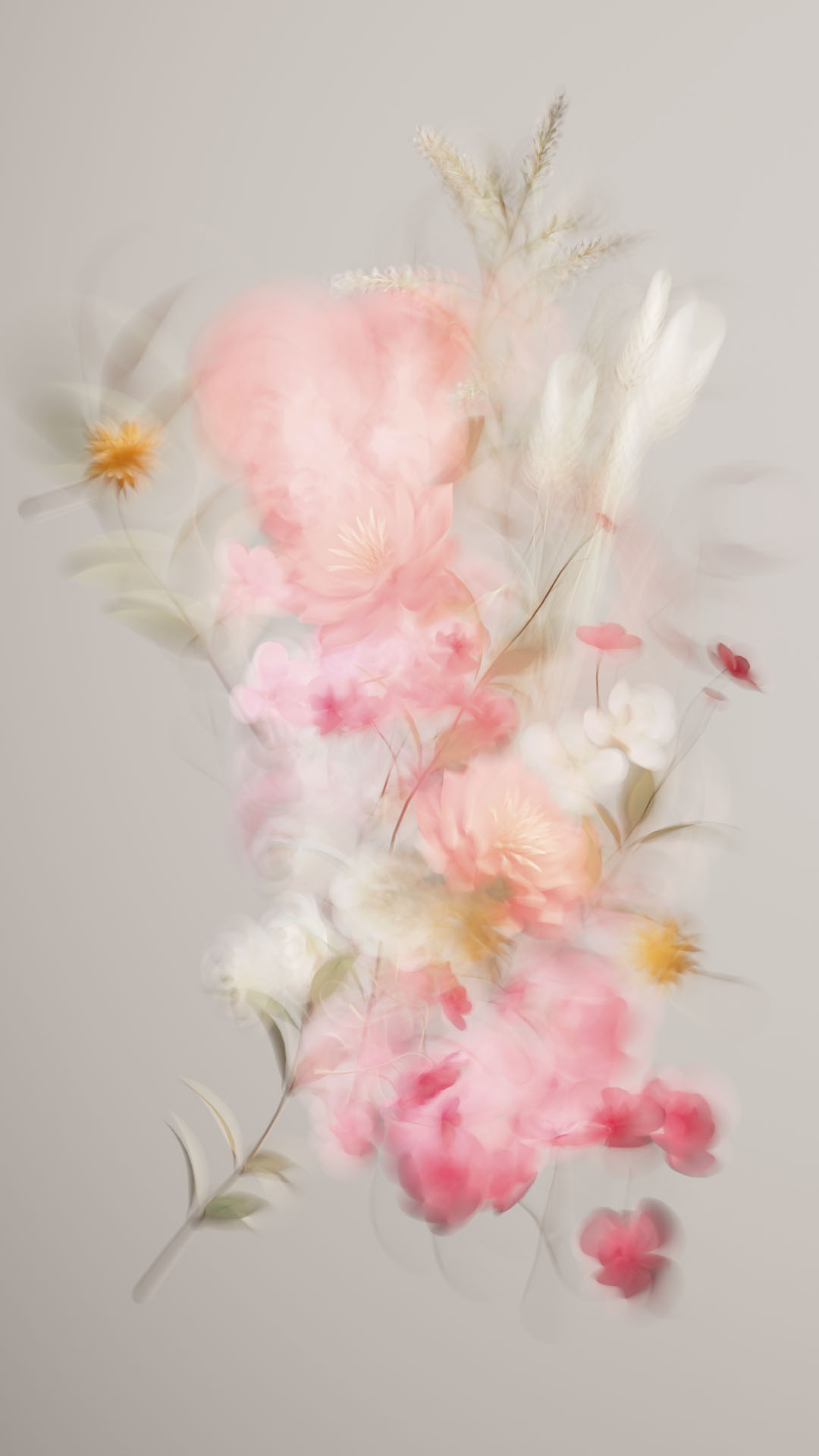
The future of design will not be defined by humans versus machines, but by their ability to collaborate. Many designers already affirm that AI does not replace imagination—it amplifies it, opening paths we might never have reached alone.
In this new landscape, the designer’s role evolves. No longer simply a maker, but an interpreter and conductor: the one who filters the flood of machine-generated options, shapes them, and gives them narrative weight. Creativity becomes discernment—the ability to recognize the spark of an idea within a sea of possibilities.
Where this alliance will lead remains uncertain. Yet some truths persist: intuition, aesthetic sensitivity, ethical responsibility, and vision cannot be outsourced. AI opens doors; the human gaze decides which are worth walking through.
The challenge ahead is not whether to resist or surrender, but how to play—an ongoing exchange where technology multiplies possibilities, and the designer shapes and refines them. In this tension, rather than in any final answer, lies the true promise of design’s future.