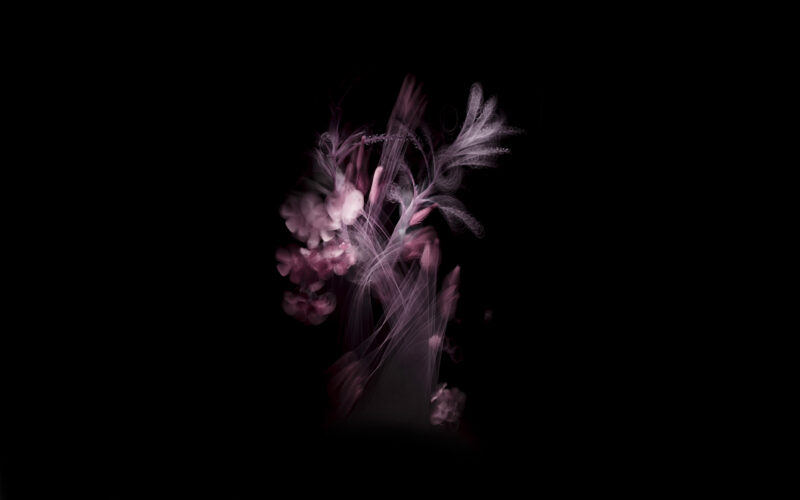
In Milan’s Tortona District — a neighborhood that lives and breathes creativity — two landmarks stand side by side: Armani/Silos and the FlavioLucchiniArt Museum. For more than half a century, Flavio Lucchini and Giorgio Armani have shaped the visual language of fashion from different worlds — one through magazines that taught Italy how to see, the other through garments that taught it how to move.
Now, Lucchini pays homage to the late designer with Grazie Giorgio, a new exhibition that is far more than a simple tribute. It’s a visual conversation between two pioneers who helped define modern fashion from opposite, yet deeply connected, perspectives. The show is open to the public free of charge until November 28.
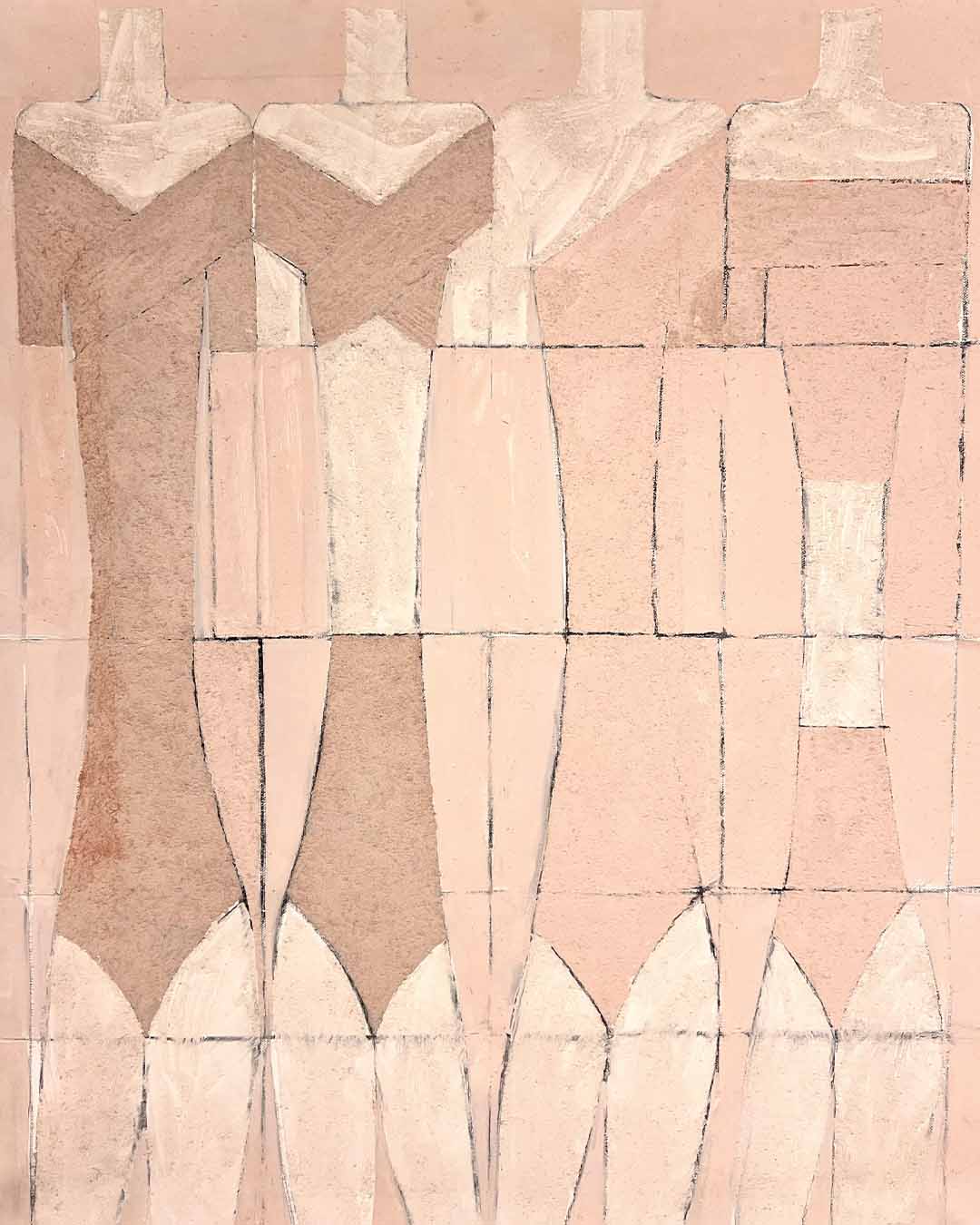
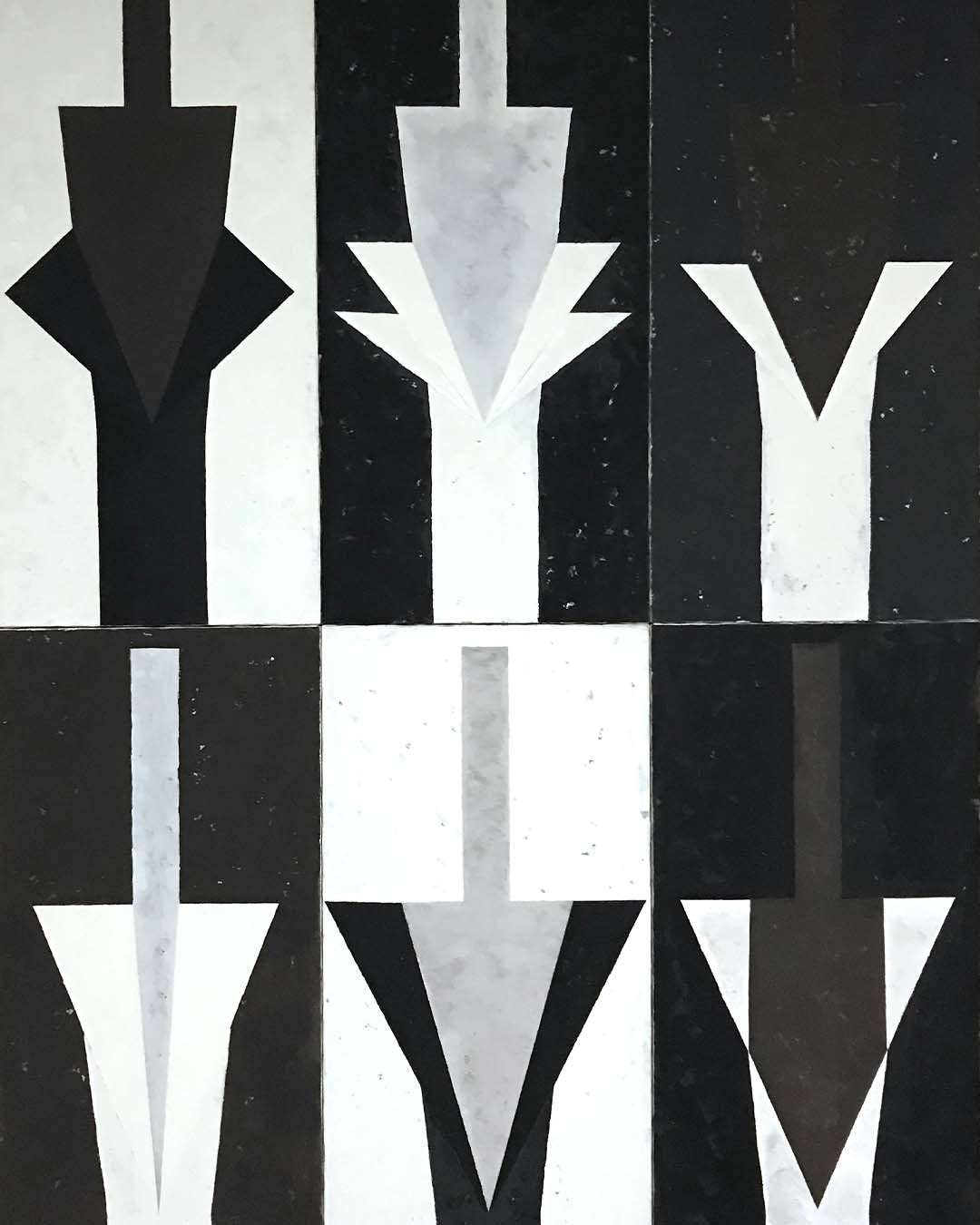
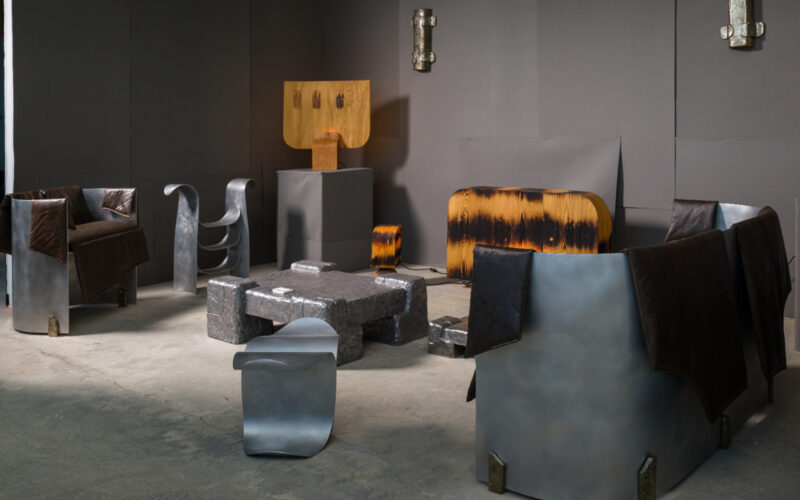
Conceived “almost on impulse,” Grazie Giorgio brings together sculptures and paintings Lucchini has created over decades, each one reflecting Armani’s lasting influence on fashion. The works revisit the designer’s aesthetic revolution of the 1980s and 1990s — an era marked by structured jackets, neutral tones, and the now-iconic greige that came to symbolize Italian refinement.
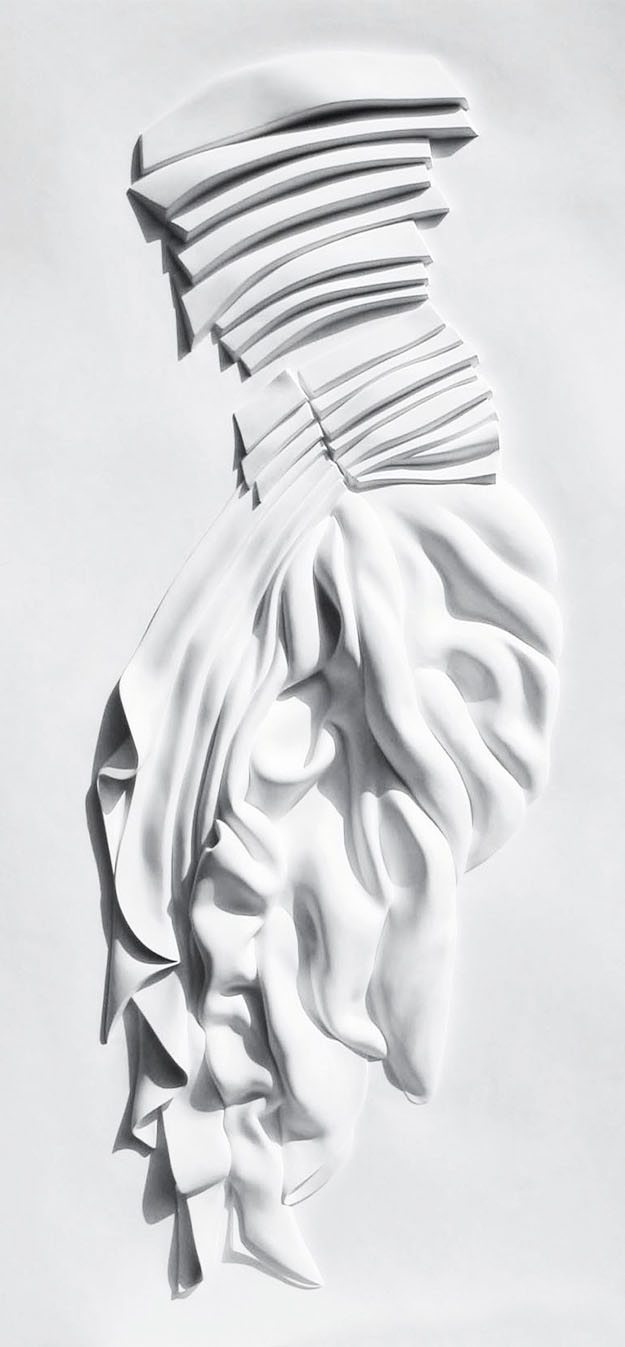
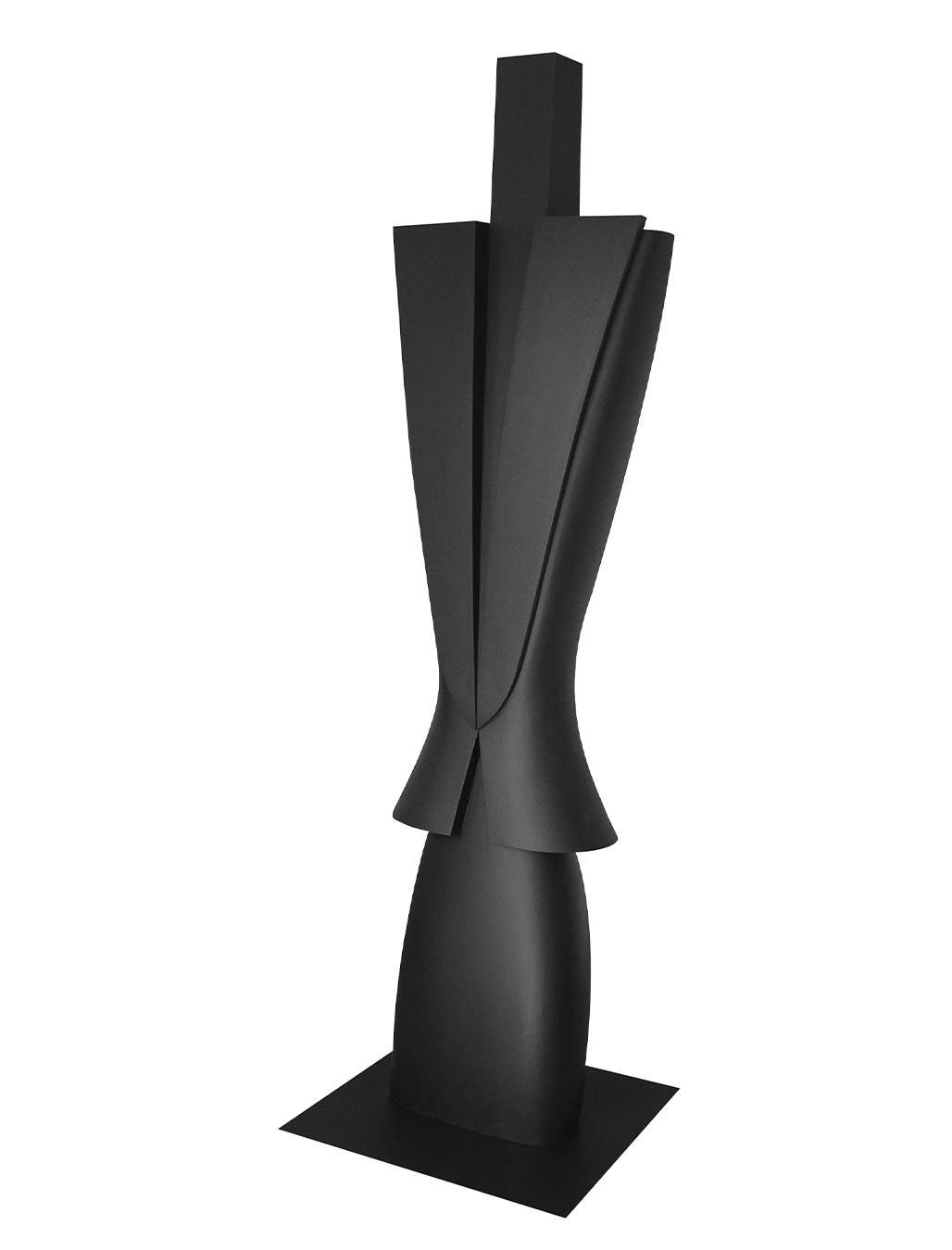
But what truly set Armani apart was his reimagining of femininity. He “dissolved the stiffness of the masculine suit,” transforming it into something soft, fluid, and empowering — a move that redefined women’s fashion and earned him the label of revolutionary. Lucchini, then art director of Vogue Italia and L’Uomo Vogue, immediately understood that Armani’s vision was not just about style; it was about culture, identity, and the freedom to redefine both.
Although Lucchini eventually left the world of magazines, his fascination with what he calls the “mystery” and “magic” of fashion never faded. That curiosity evolved into abstract art. In Grazie Giorgio, Lucchini explores what happens when fashion is stripped of its commercial and material form. “What remains,” his work seems to ask, “when fashion is no longer worn, photographed, or sold? What endures when the glamour fades?”
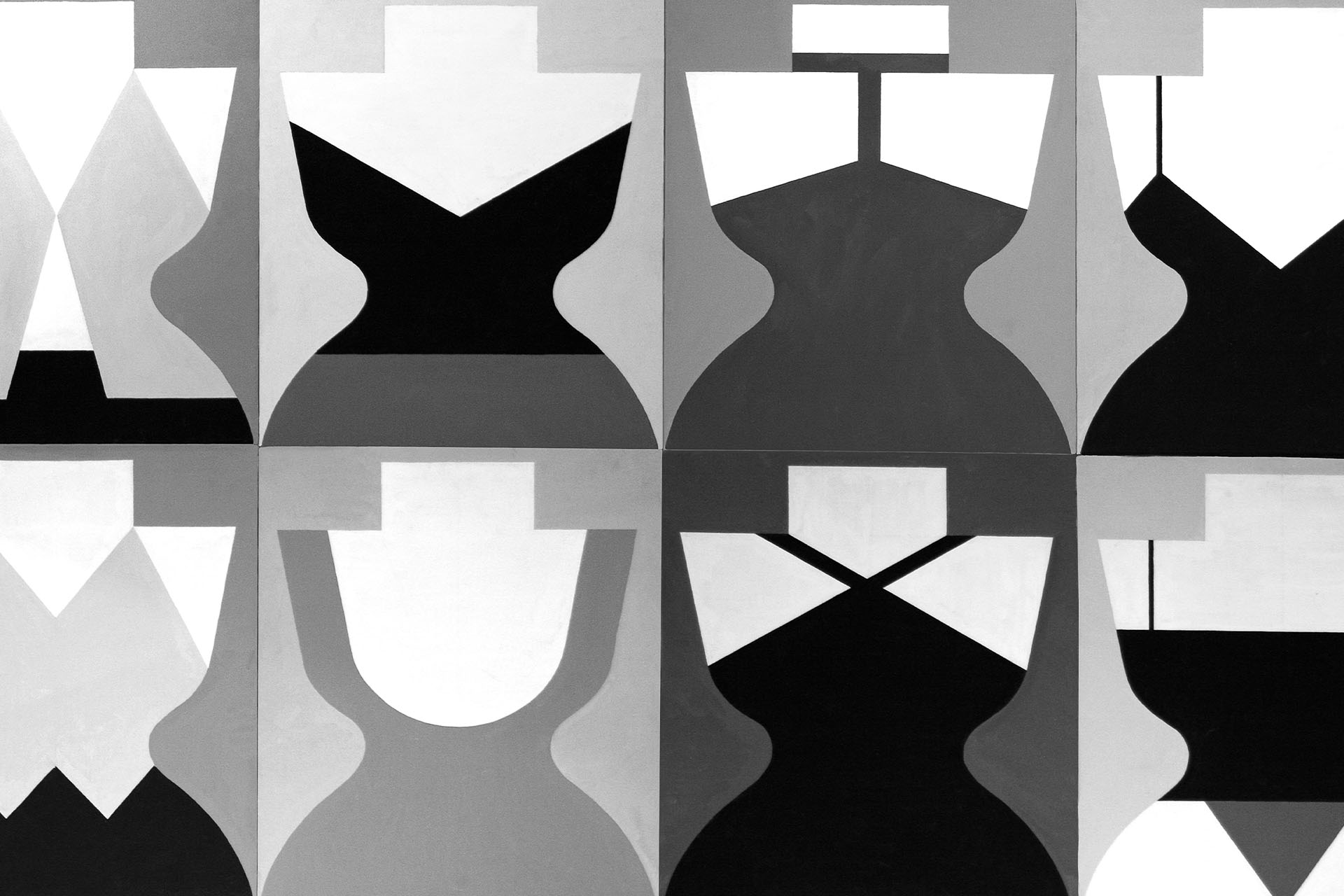
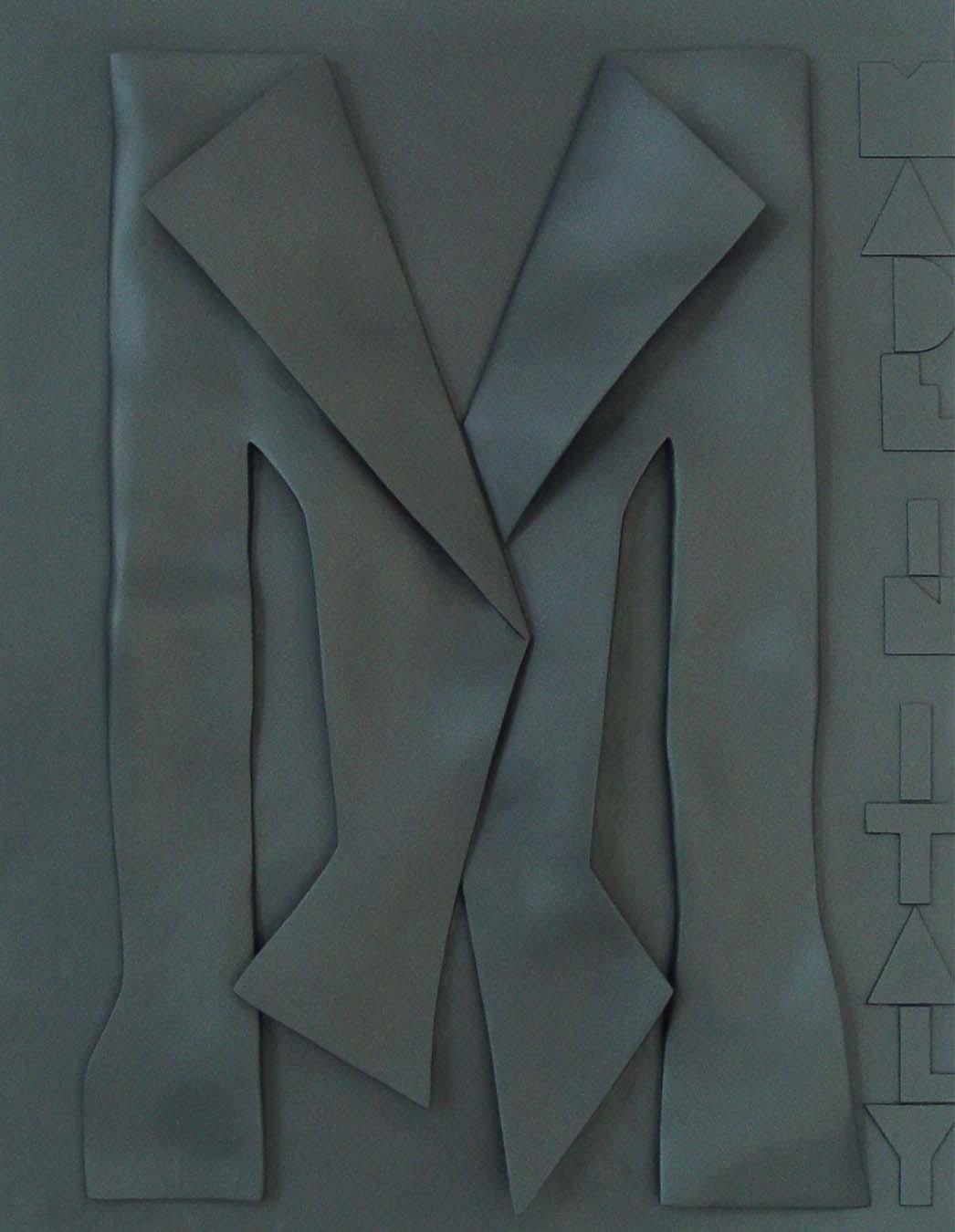
One of his sculptures resembles the silhouette of a tailored jacket — all clean lines and architectural precision, recalling Armani’s minimalist 1980s and 1990s style. By removing embellishment and focusing on structure, Lucchini distills the essence of design itself. Like Armani, he celebrates refinement over excess. His work highlights the discipline, balance, and intellect behind true elegance — suggesting that what lasts in fashion is not novelty or glamour, but integrity.
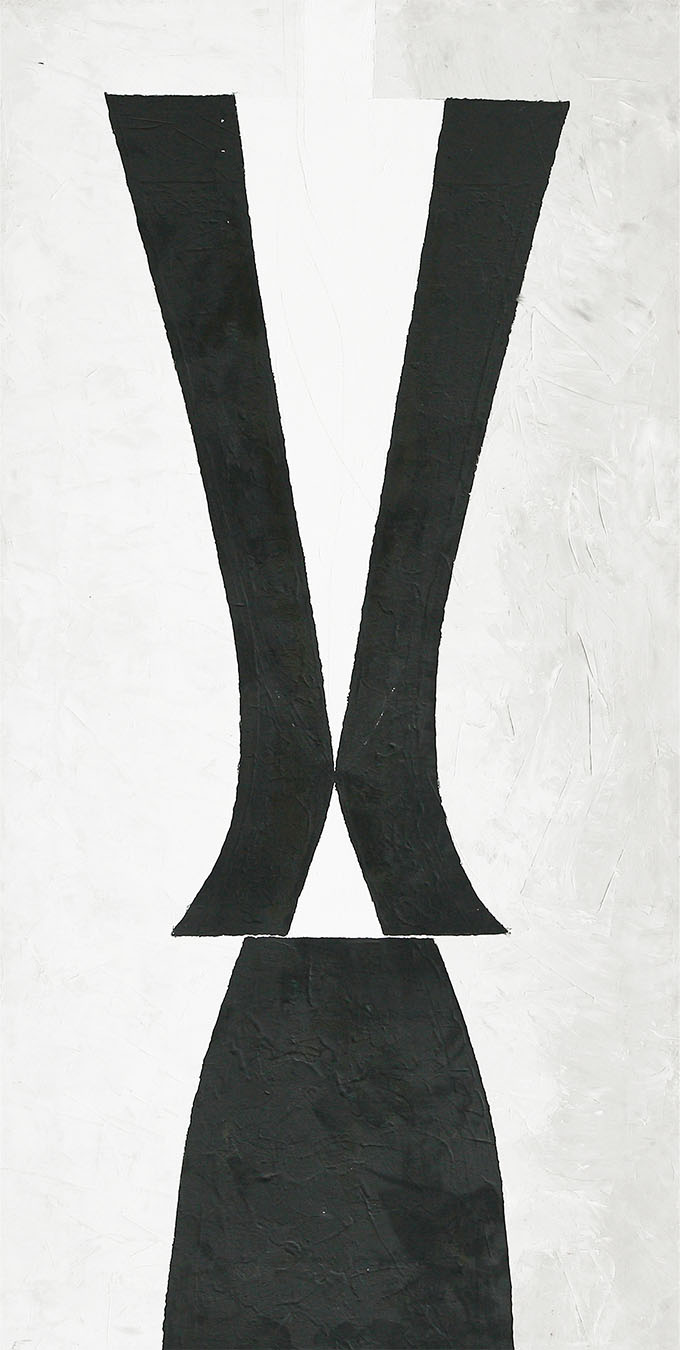
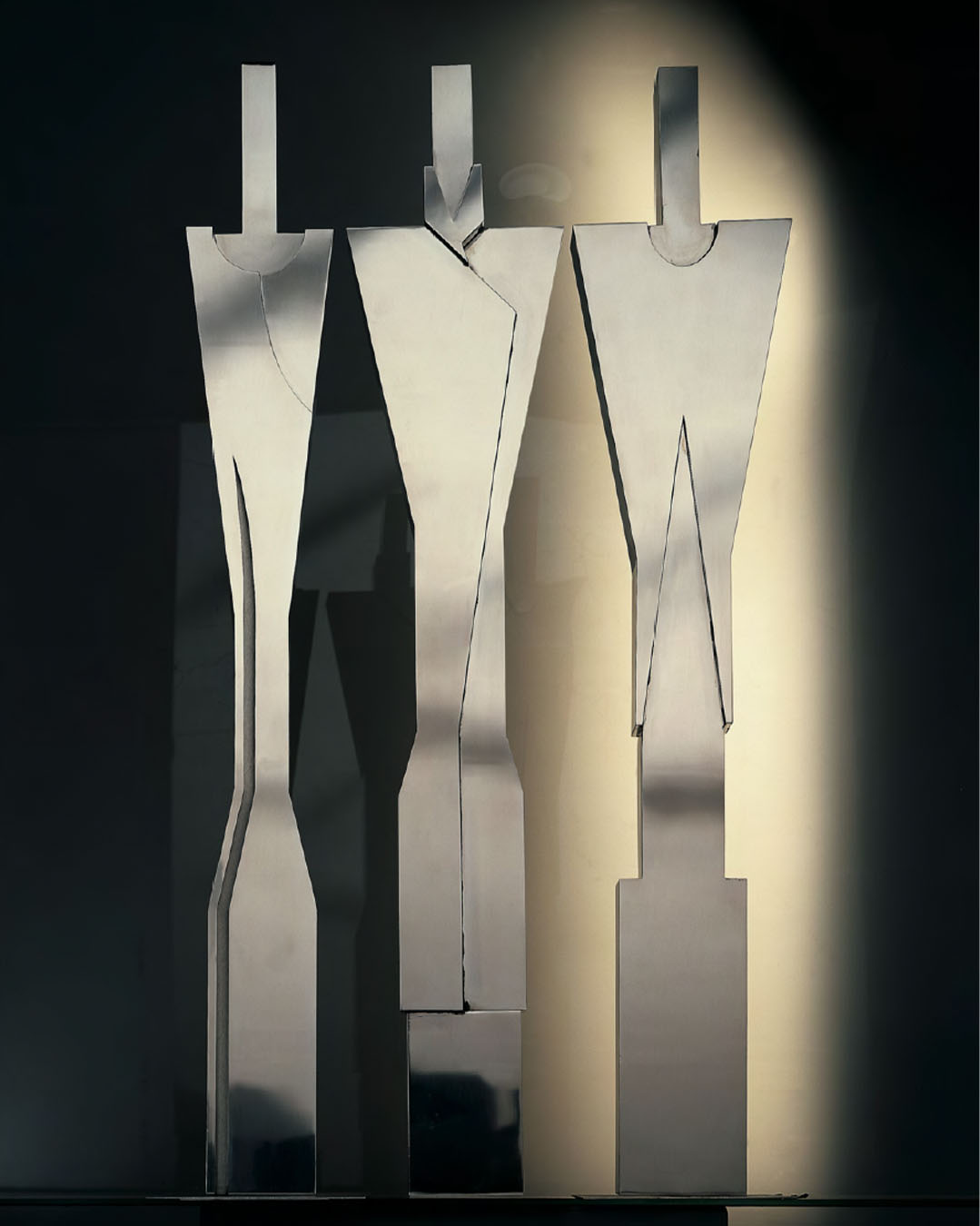
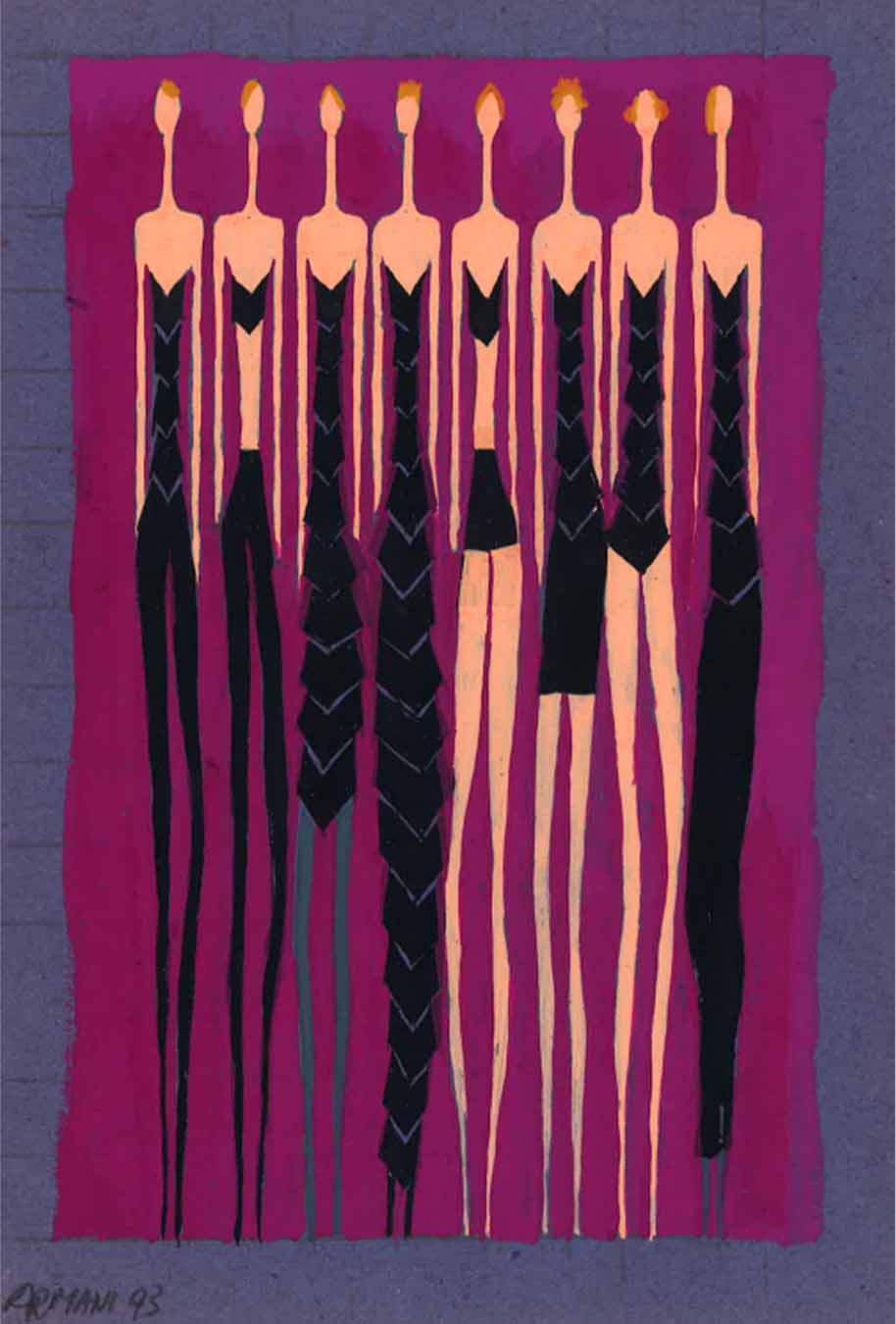
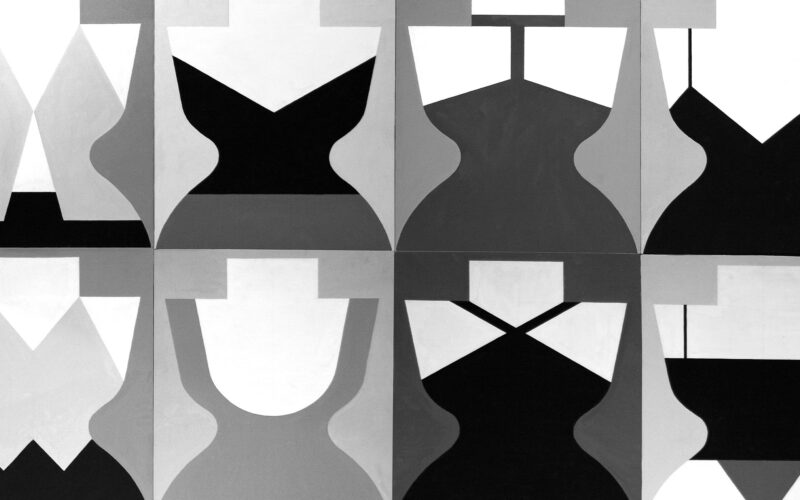
This dialogue between structure and abstraction runs through the entire exhibition. Lucchini’s forms evoke garments, yet resist literal interpretation. Jackets dissolve into geometric compositions; dresses become pure shape and shadow. Even the interplay of black and white hints at Armani’s greige — that subtle hue that once revolutionized Italian style. The result is a visual rhythm that feels at once graphic, emotional, and deeply personal. Lucchini doesn’t just paint fashion; he paints its memory — and, through it, the memory of Armani.
There’s also a symbolic resonance in how the exhibition is presented. Unlike Armani/Silos, Lucchini’s museum opens freely to all. Visitors can explore the Atelier independently or book guided tours through the full museum. This openness turns Grazie Giorgio into a shared experience — a collective thank-you to the man who changed the way Italy, and the world, understood elegance.
Ultimately, Grazie Giorgio is both a remembrance and a renewal. It looks back with affection, but also forward with curiosity. Lucchini reminds us that fashion, like art, leaves an imprint that survives its creators. Within these walls, Armani’s spirit lingers — quiet, timeless, and alive.