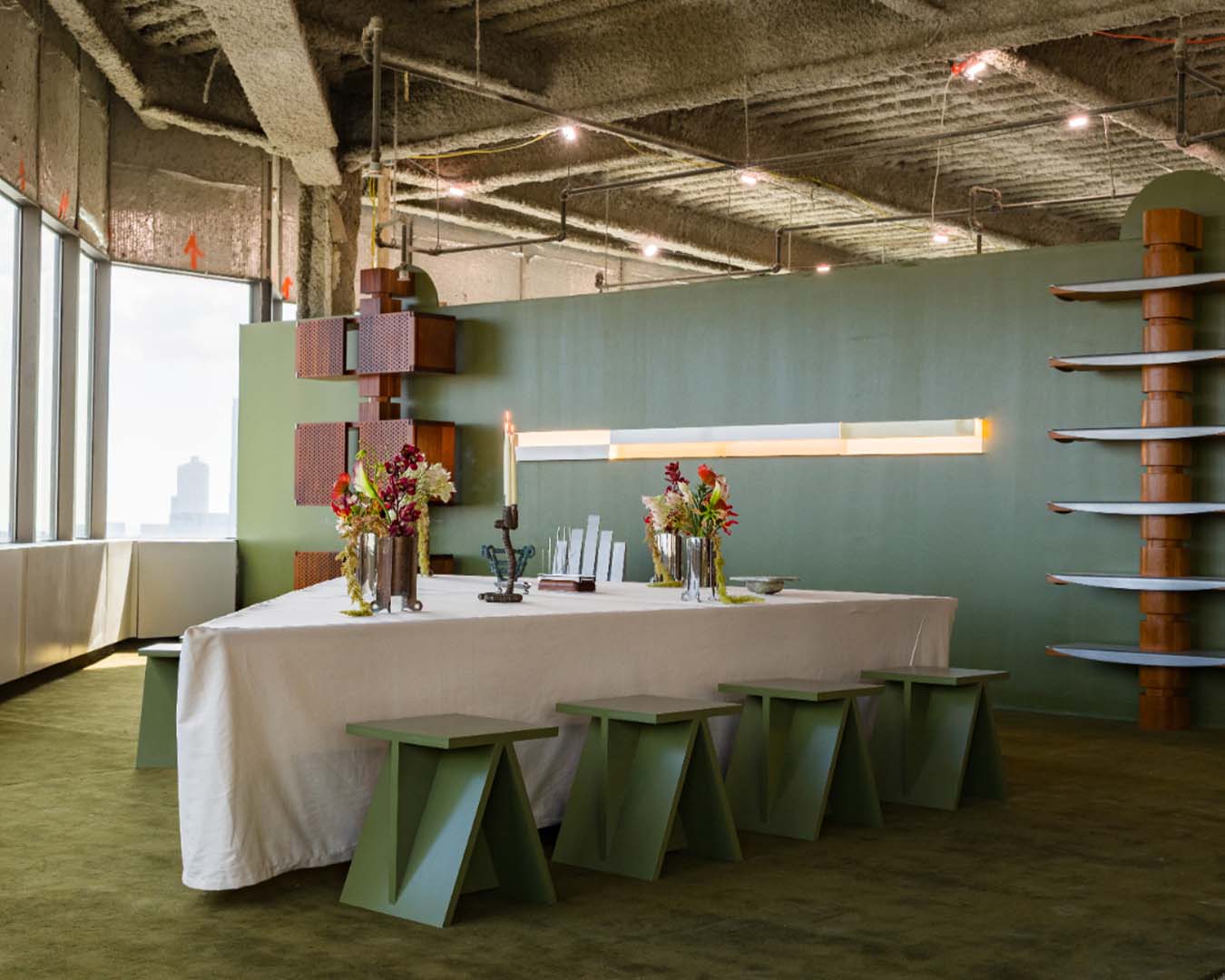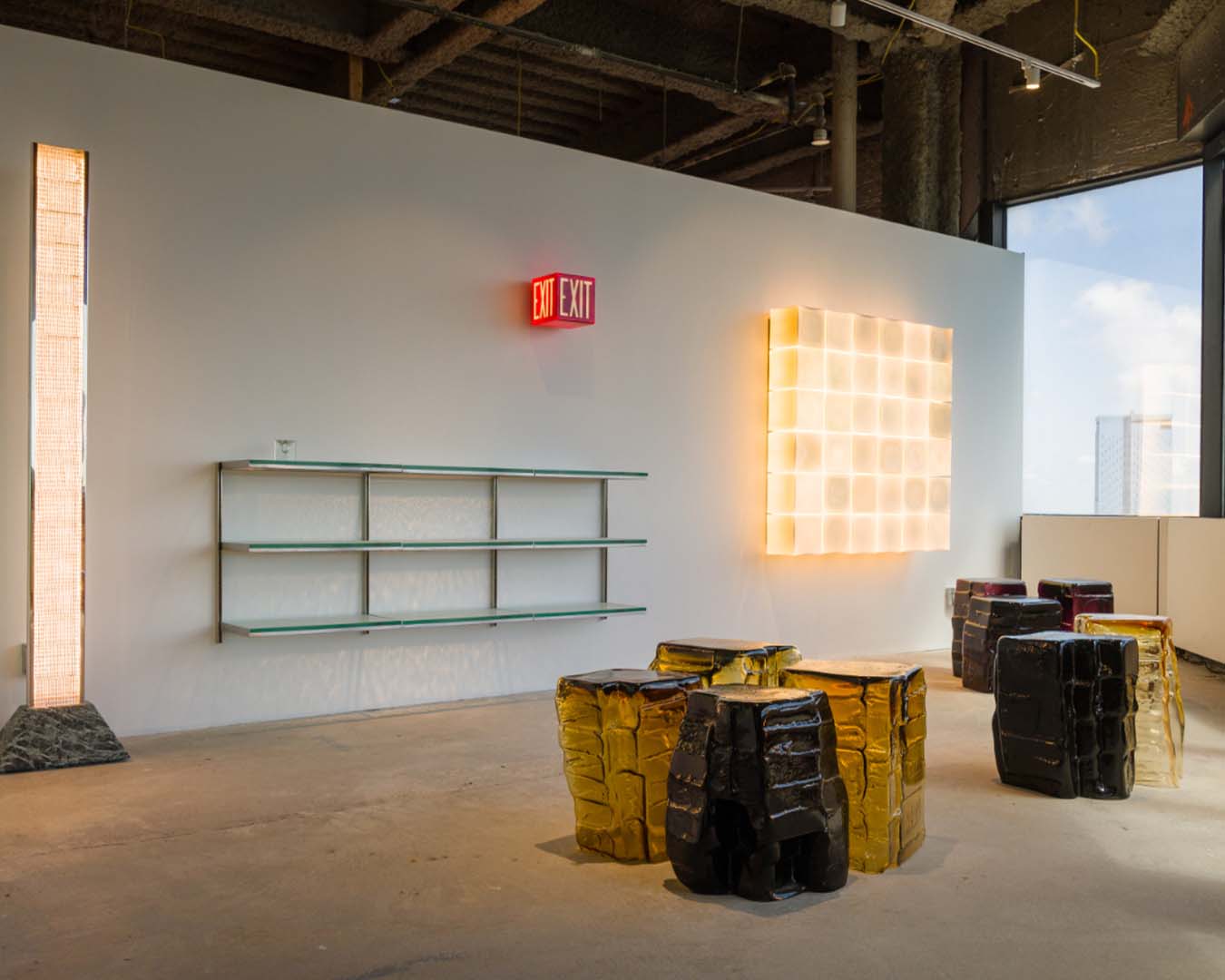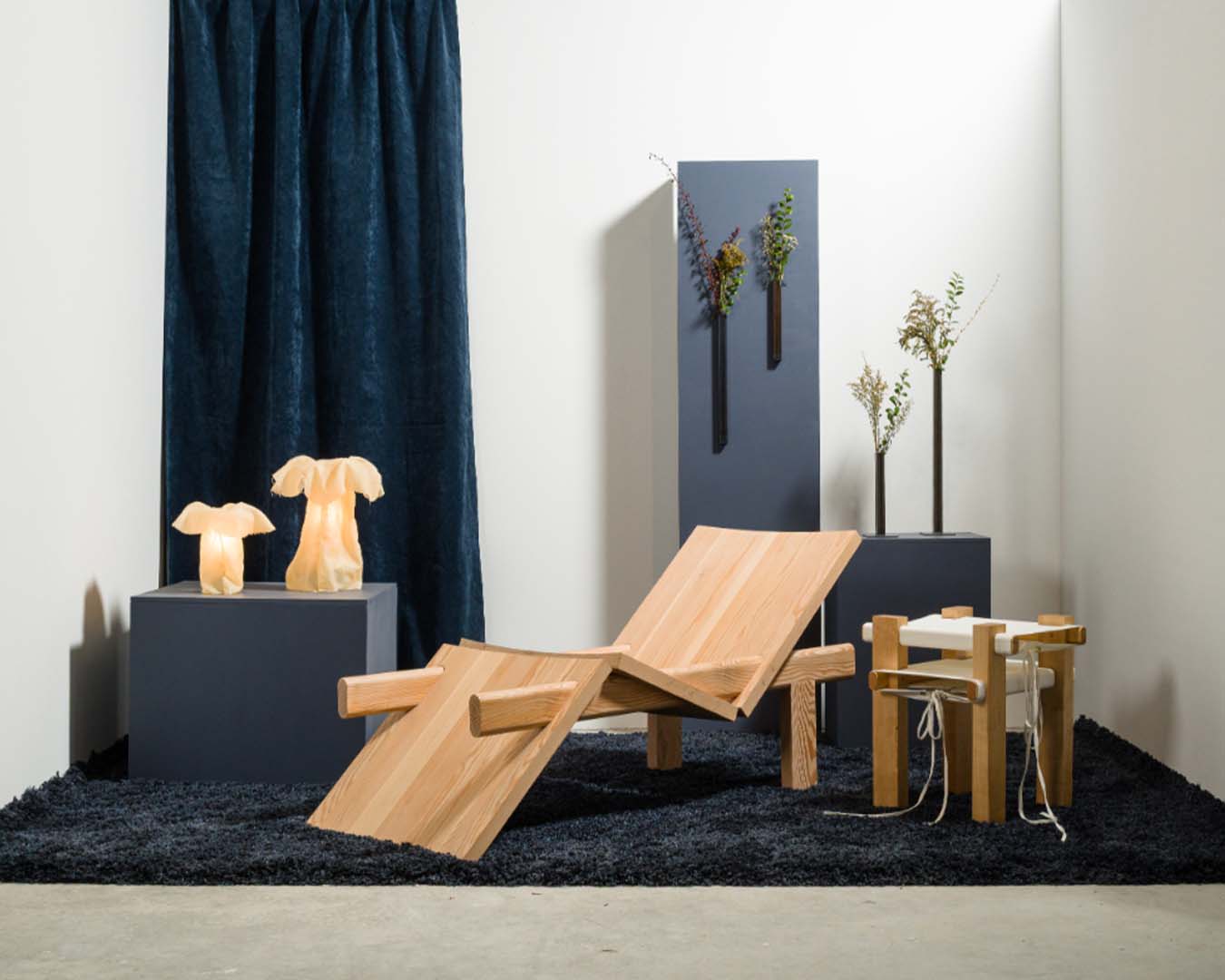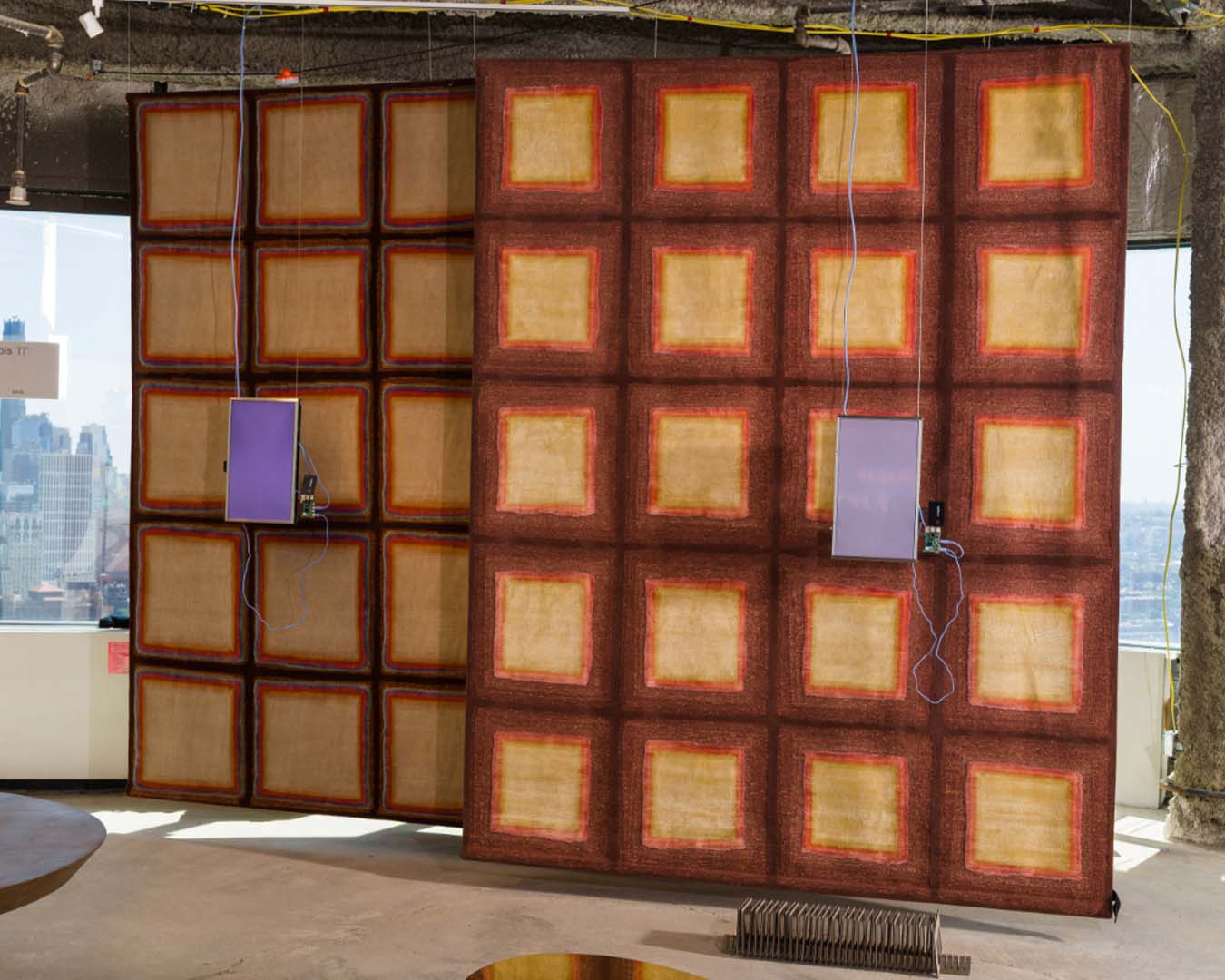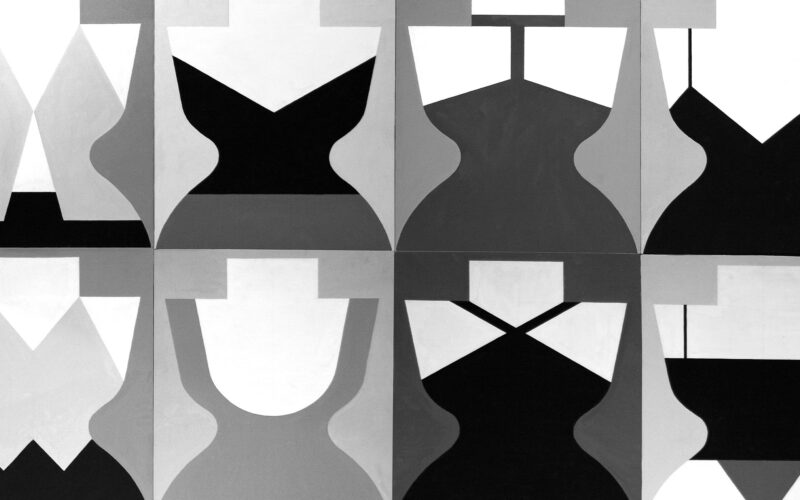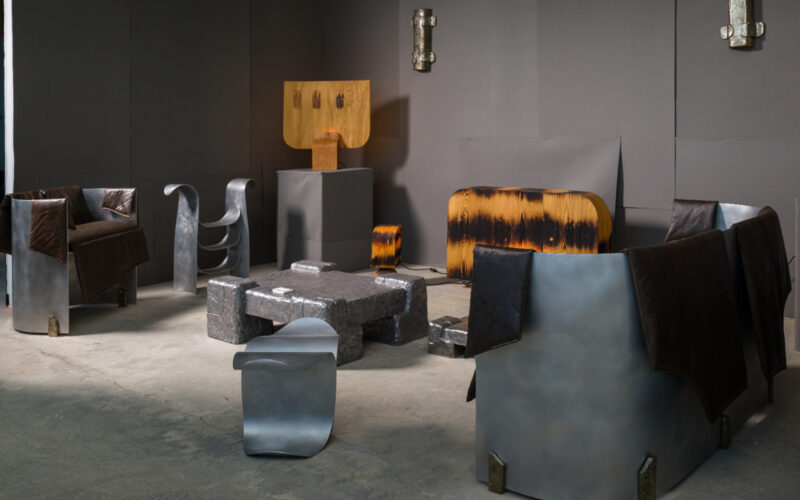
Collectible, the fair dedicated to contemporary collectible design, makes its long-awaited debut in New York after years of success in Brussels. The event celebrates objects that live in the space between art and furniture — often experimental, sometimes functional, and always pushing the boundaries of what design can be.
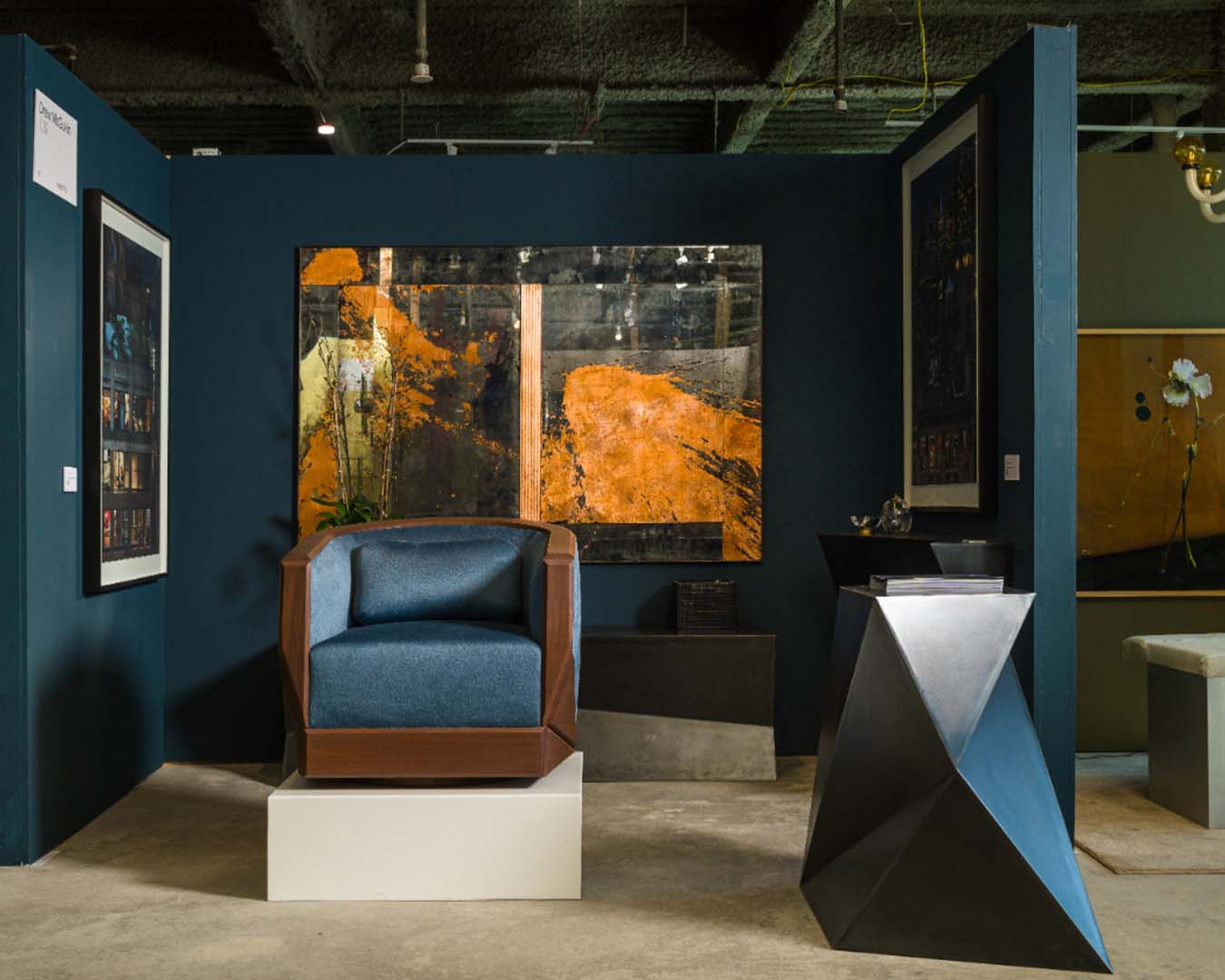
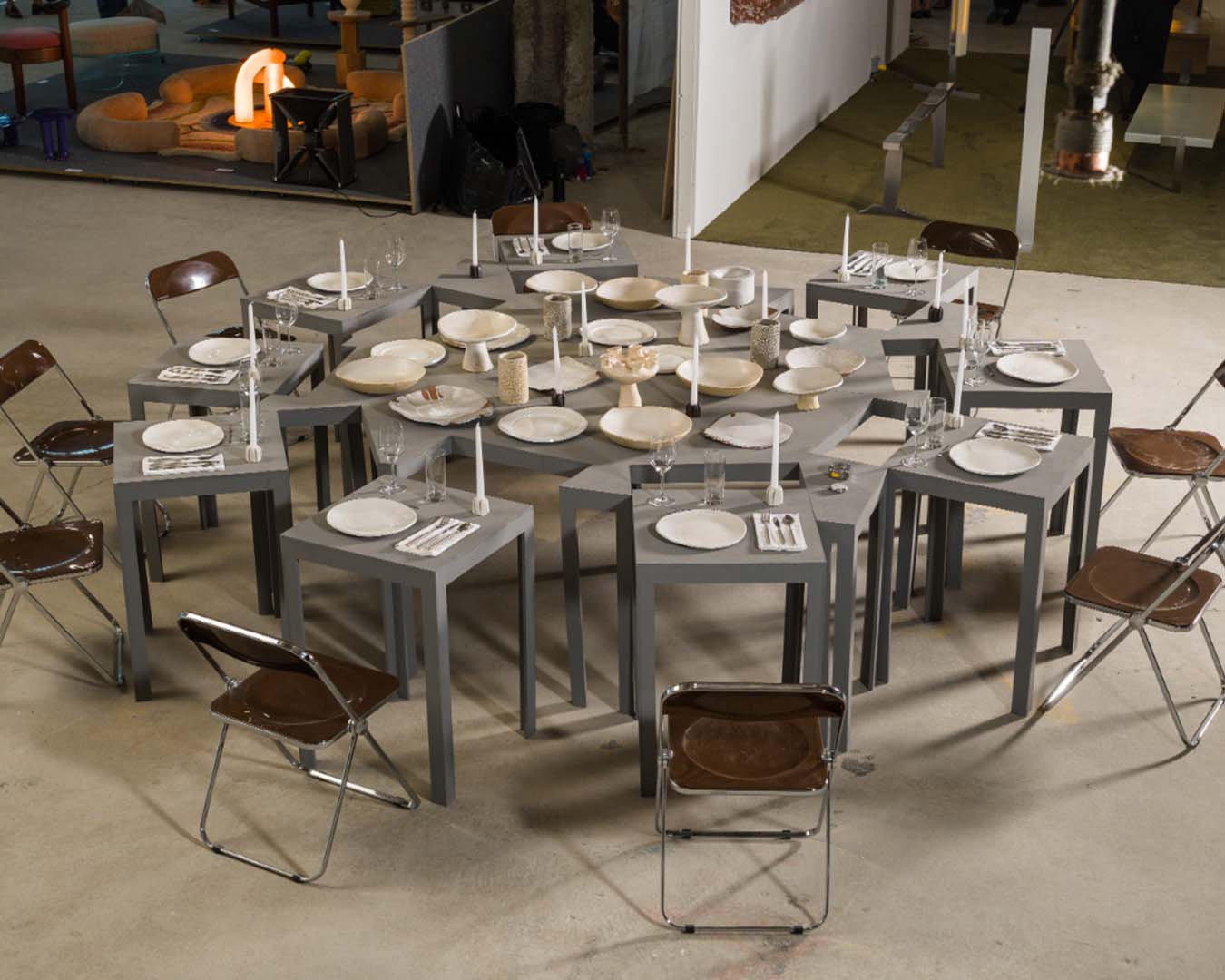
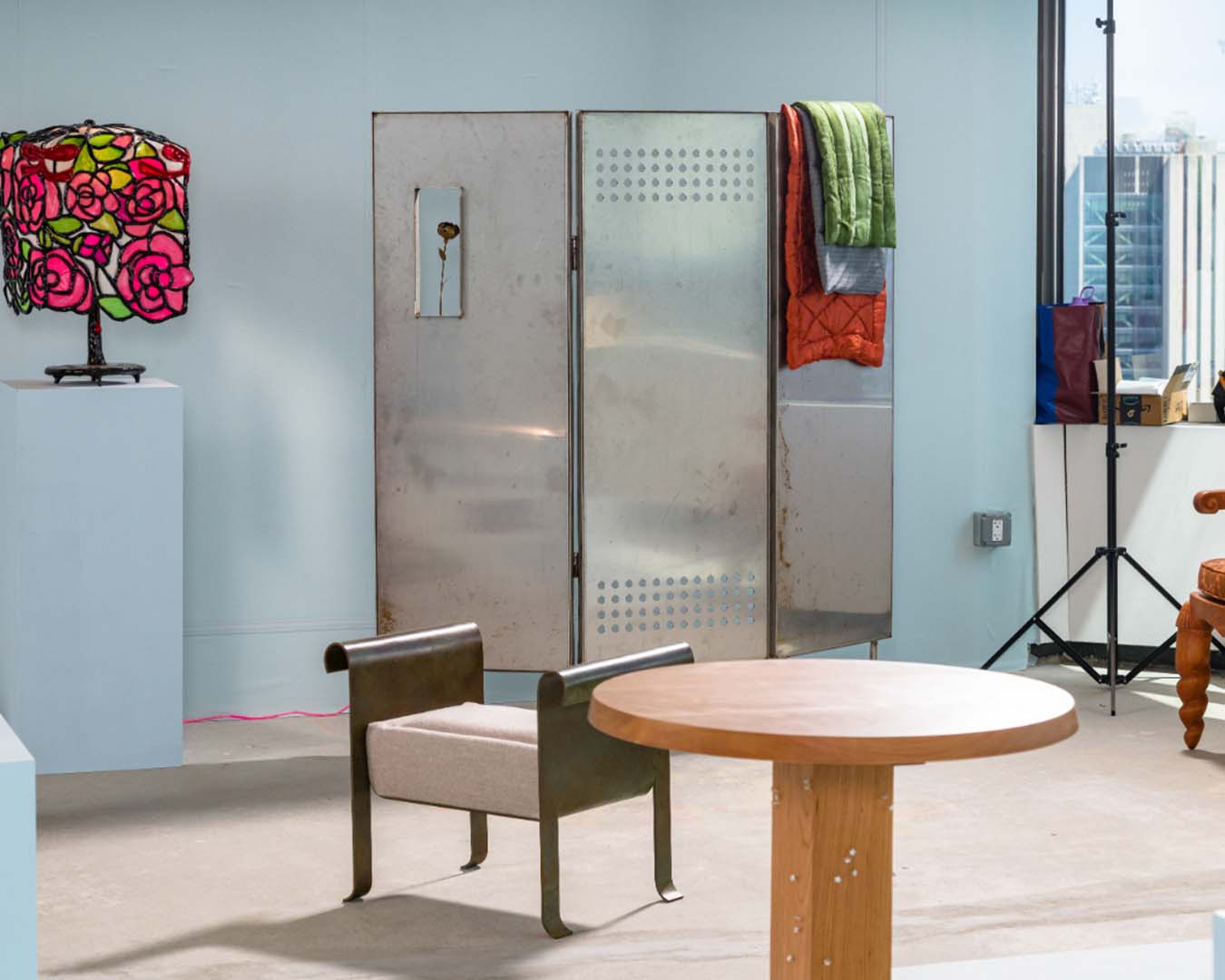
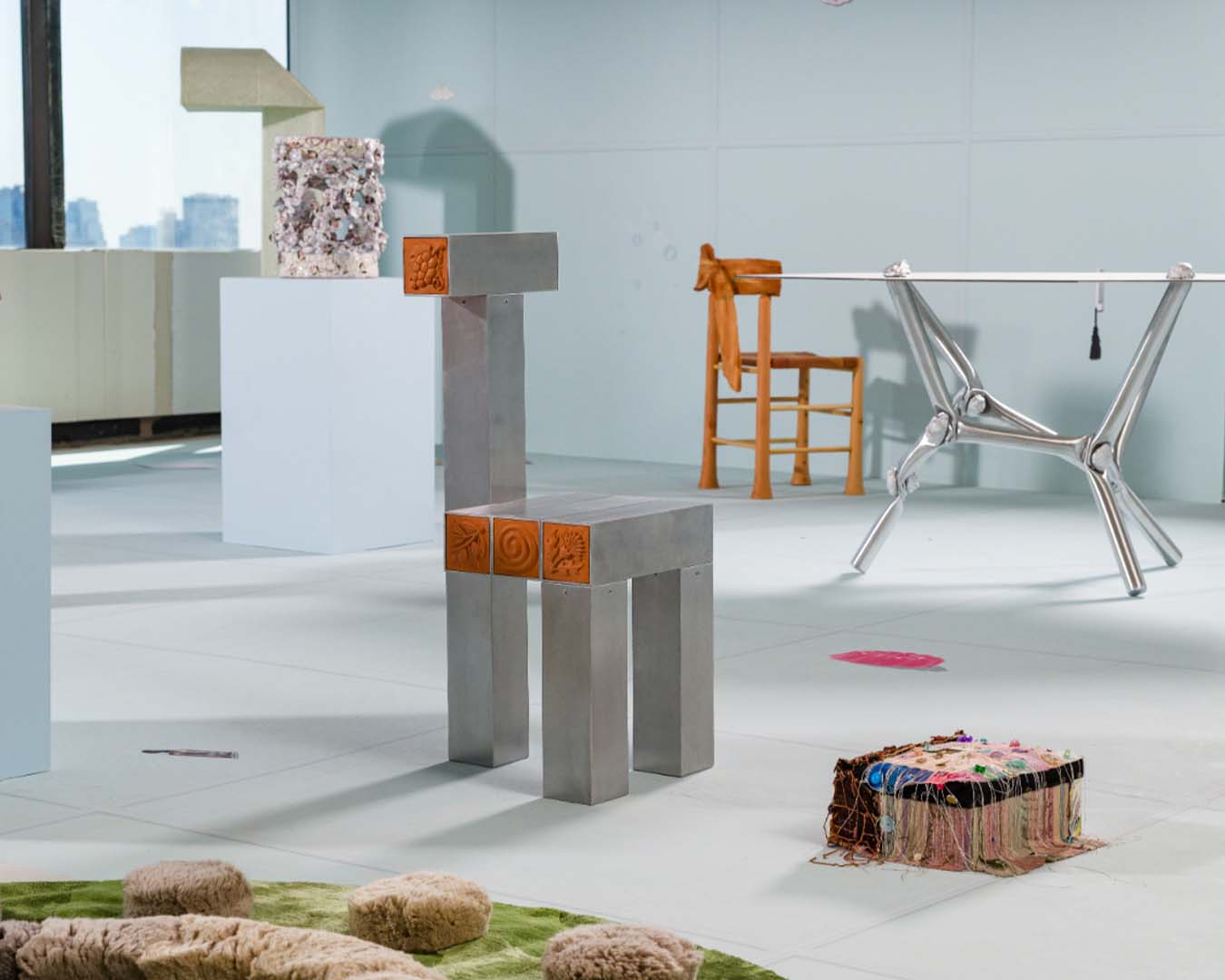
Hosted at Iron23 in the heart of the Flatiron District, the fair unfolds within an industrial shell of concrete and steel that refuses to fade into the background. The building asserts its presence, shaping the way each piece is perceived from the outset. Out of this dialogue — between space and object, structure and creation — the works emerge with a distinct and powerful voice.


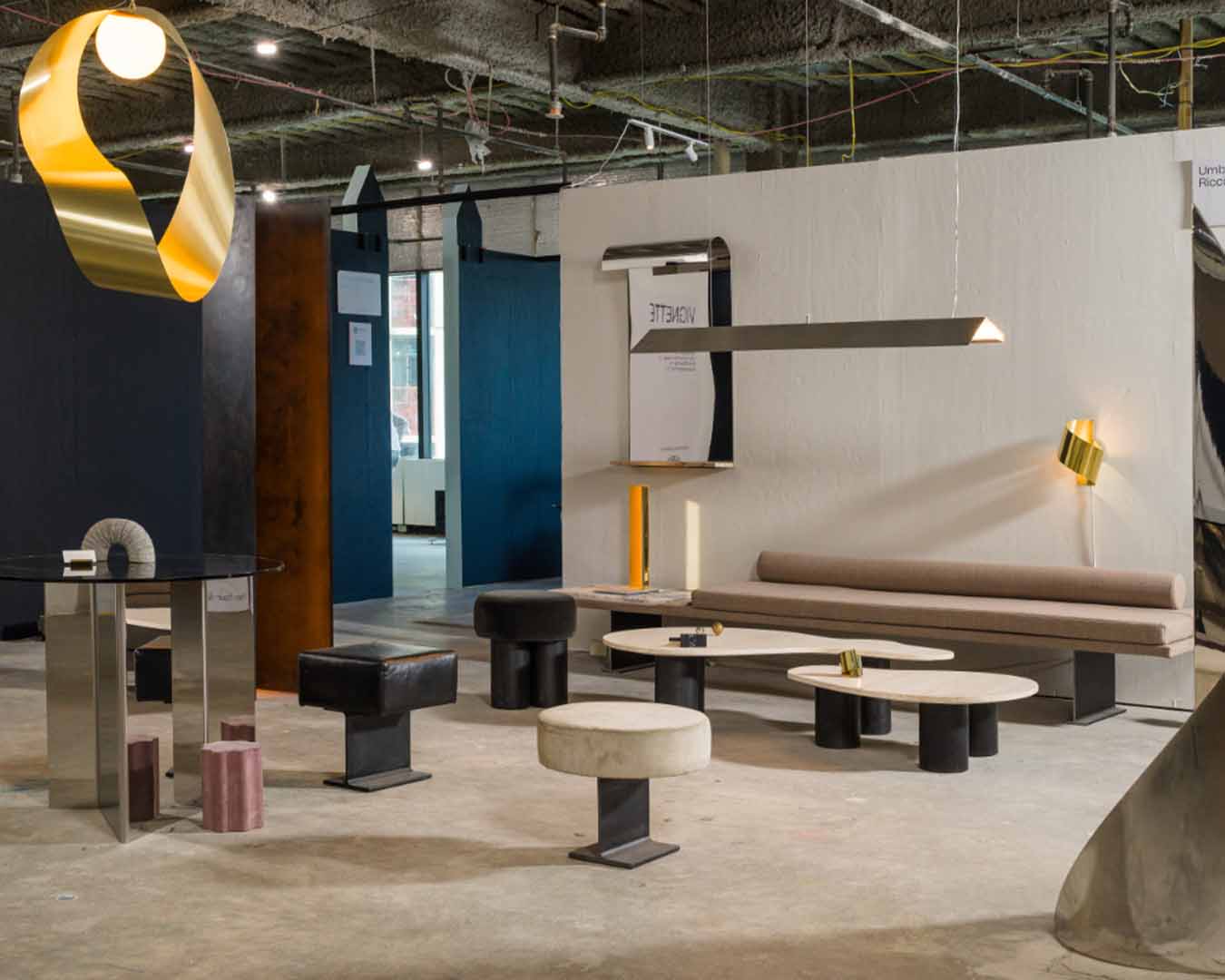
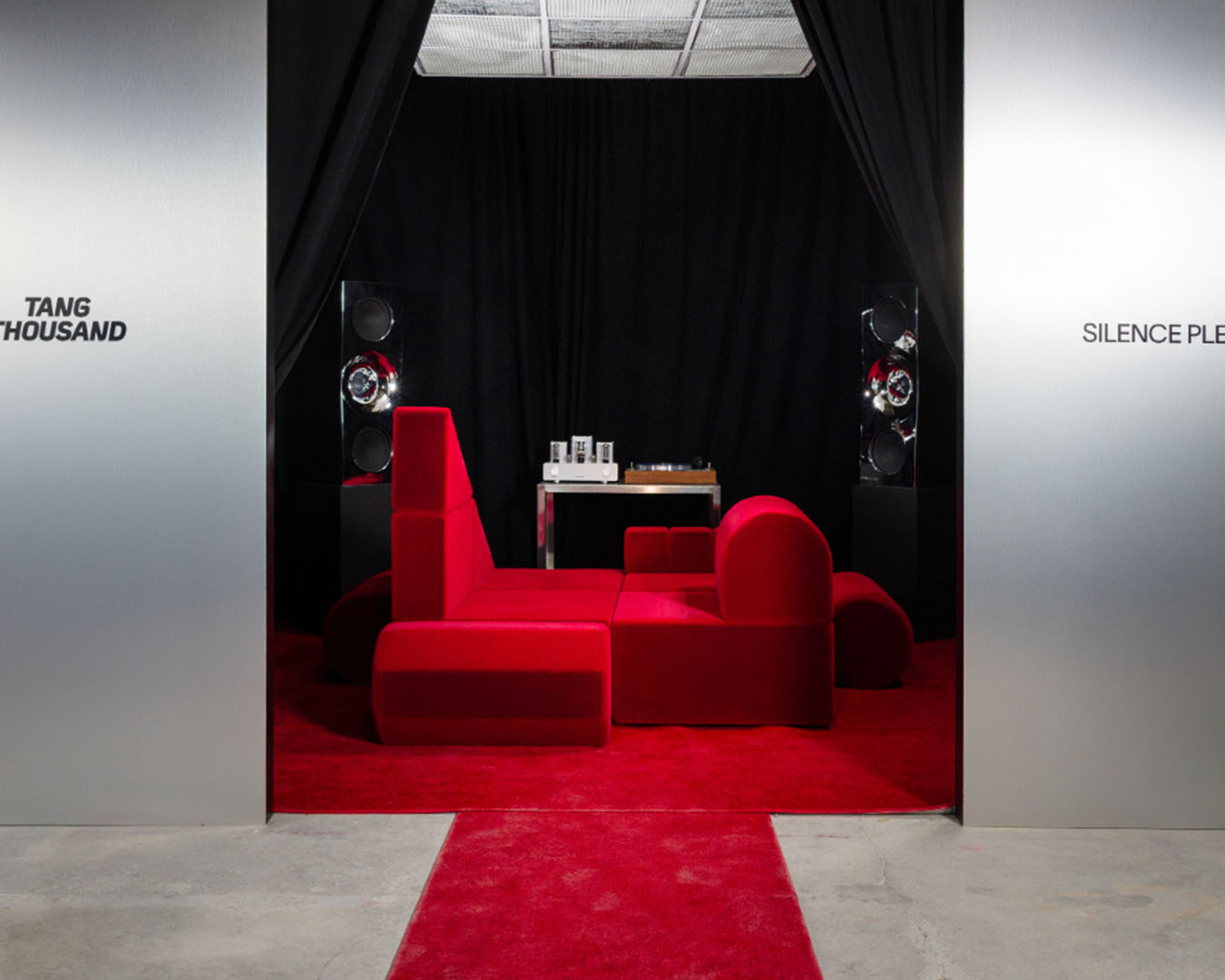
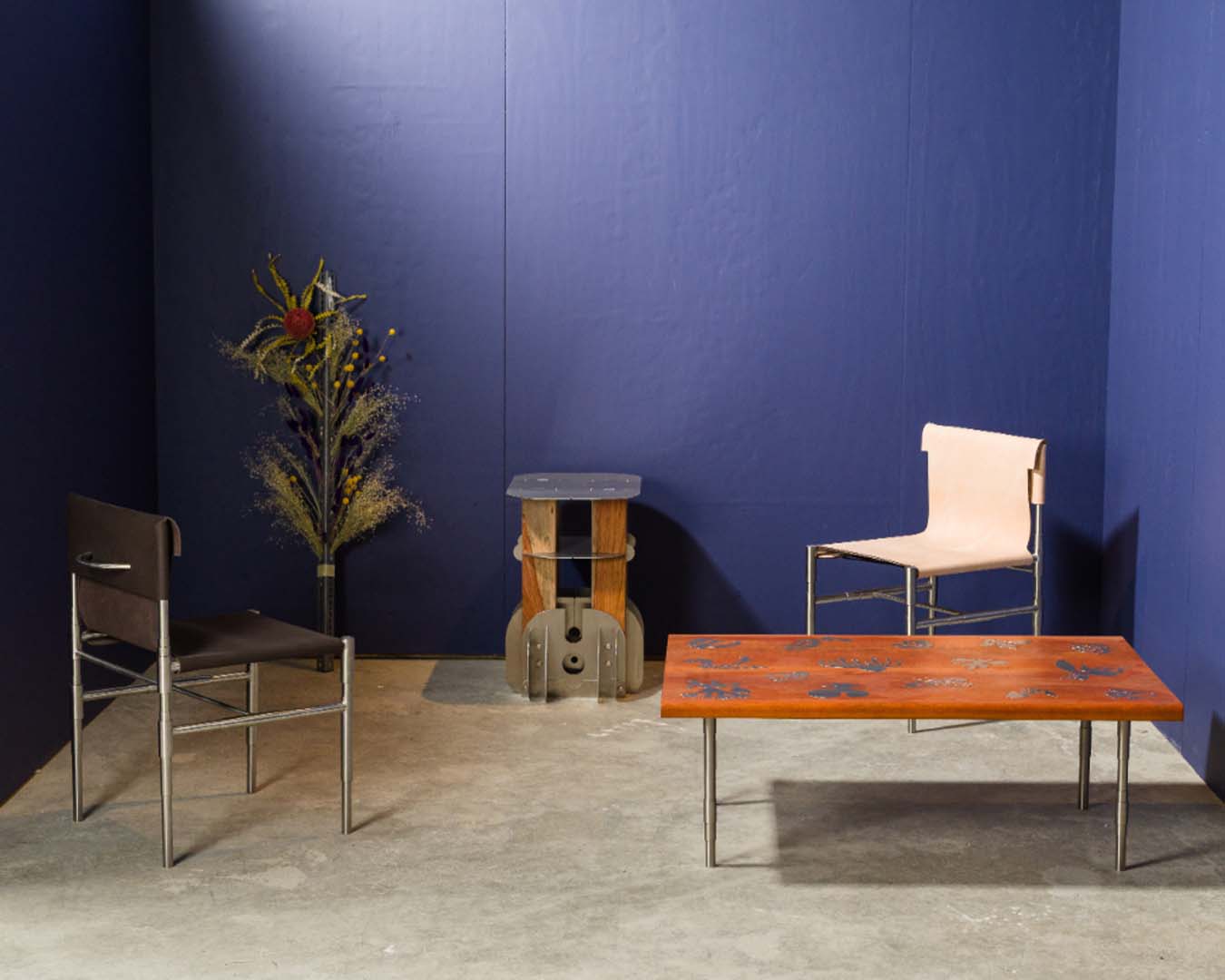
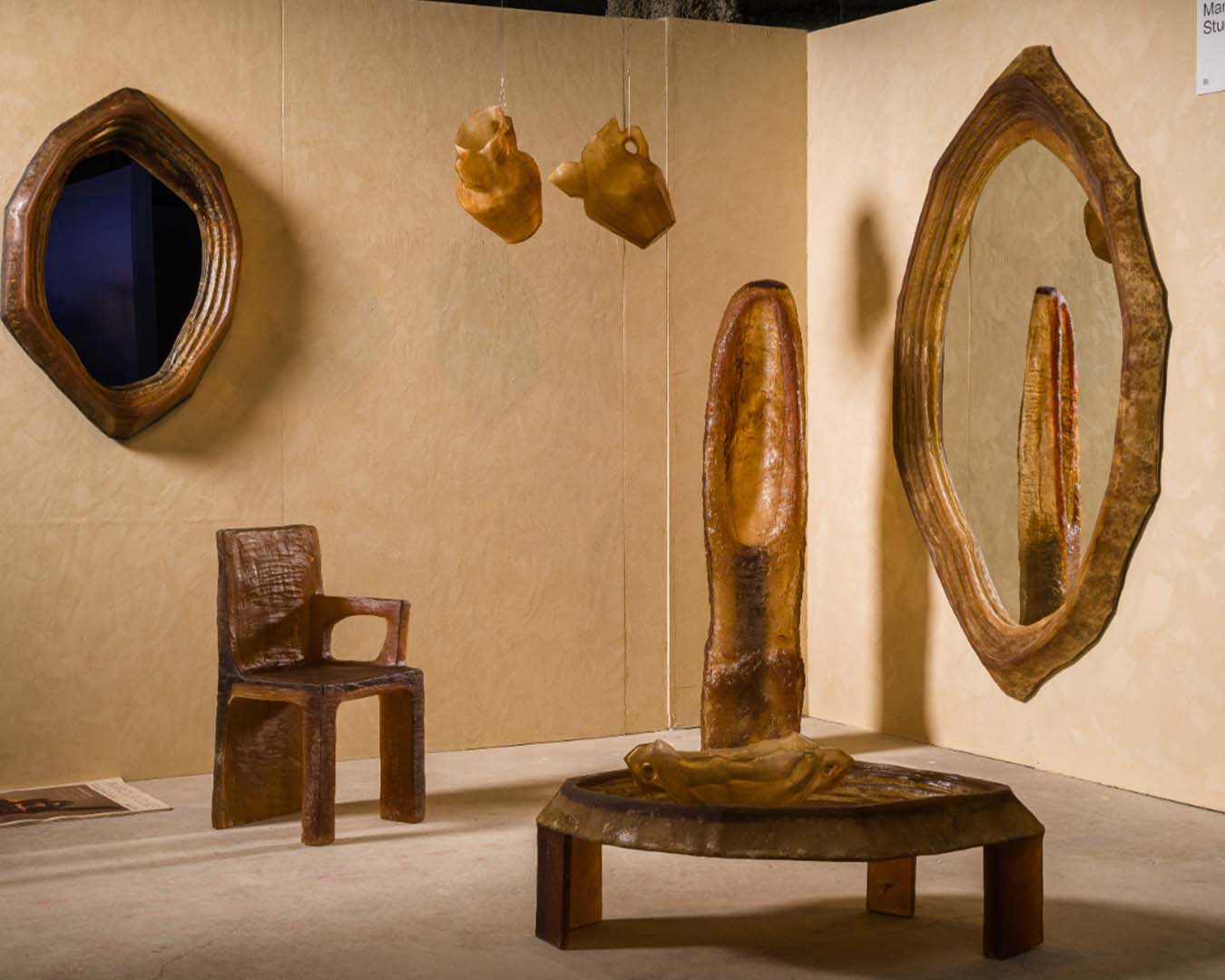
Here, design arrives fully grounded — confident, deliberate, and unafraid to declare its presence. Estudio Material, the Mexico City–based studio known for its elemental forms, presents furniture that seems hewn directly from solid blocks. Each piece commands space the instant it’s seen. A table appears as a monumental slab, raised just enough on thick legs to suggest function. Its surface is wide and smooth, yet its edges remain crisp, its supports dense and compact. It feels closer to architecture than furniture — nothing hidden, nothing softened. Solidity itself becomes a language of design.
Then the dialogue shifts — from mass to surface. Aguirre Design, a family-run studio, brings a more tactile intimacy to their work. Their collection Poles Apart (2026) explores contrast: rough bronze set against polished planes, patinas that fade in some places and fracture in others. The Yak Bench and Pampa Dining Table ground themselves with solid bases, then rise in sculptural lines that balance heft with grace. Texture becomes rhythm here, leading the eye from raw to refined, from structure to shimmer. The result feels both practical and poetic, as if every surface were part of an ongoing conversation.
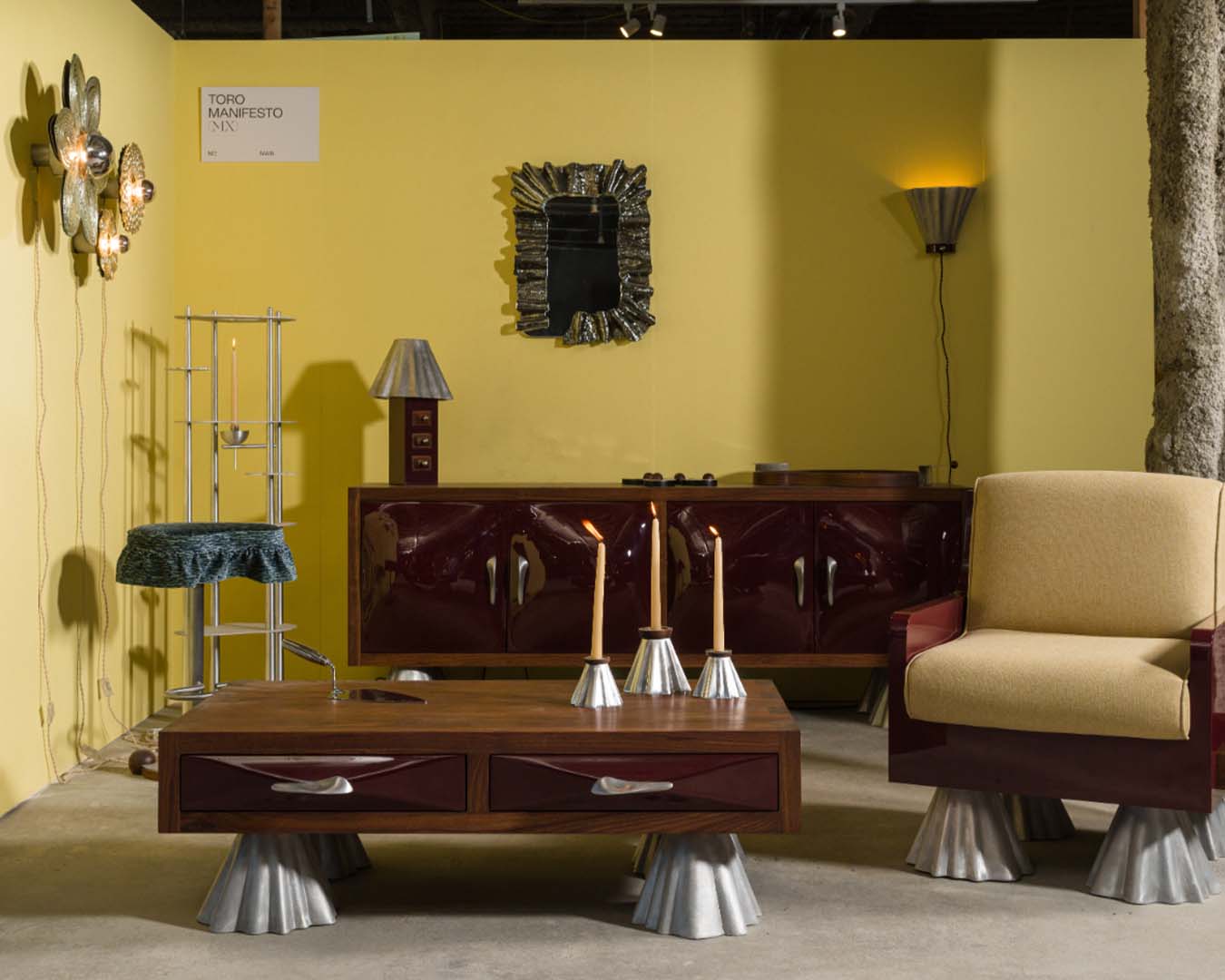
In counterpoint, Jamieri narrows the focus to surface itself — how it captures, reflects, and holds attention. Their forms remain measured and restrained, yet the finishes reveal quiet complexity, especially in their candle series. The Brick Floor Candle Holder sits low and weighty, its rough bronze base anchoring the piece while polished sections above catch and return the light. The Big Candle Holder stretches the idea vertically, alternating matte and glossy planes that guide the gaze upward. Even The Chair extends this study in tension — its broad, geometric silhouette disrupted by irregular textures, as if the material resists the temptation to become too smooth.
Across these practices, design is treated not as ornament but as inquiry — a study in how matter itself can express balance, friction, and light
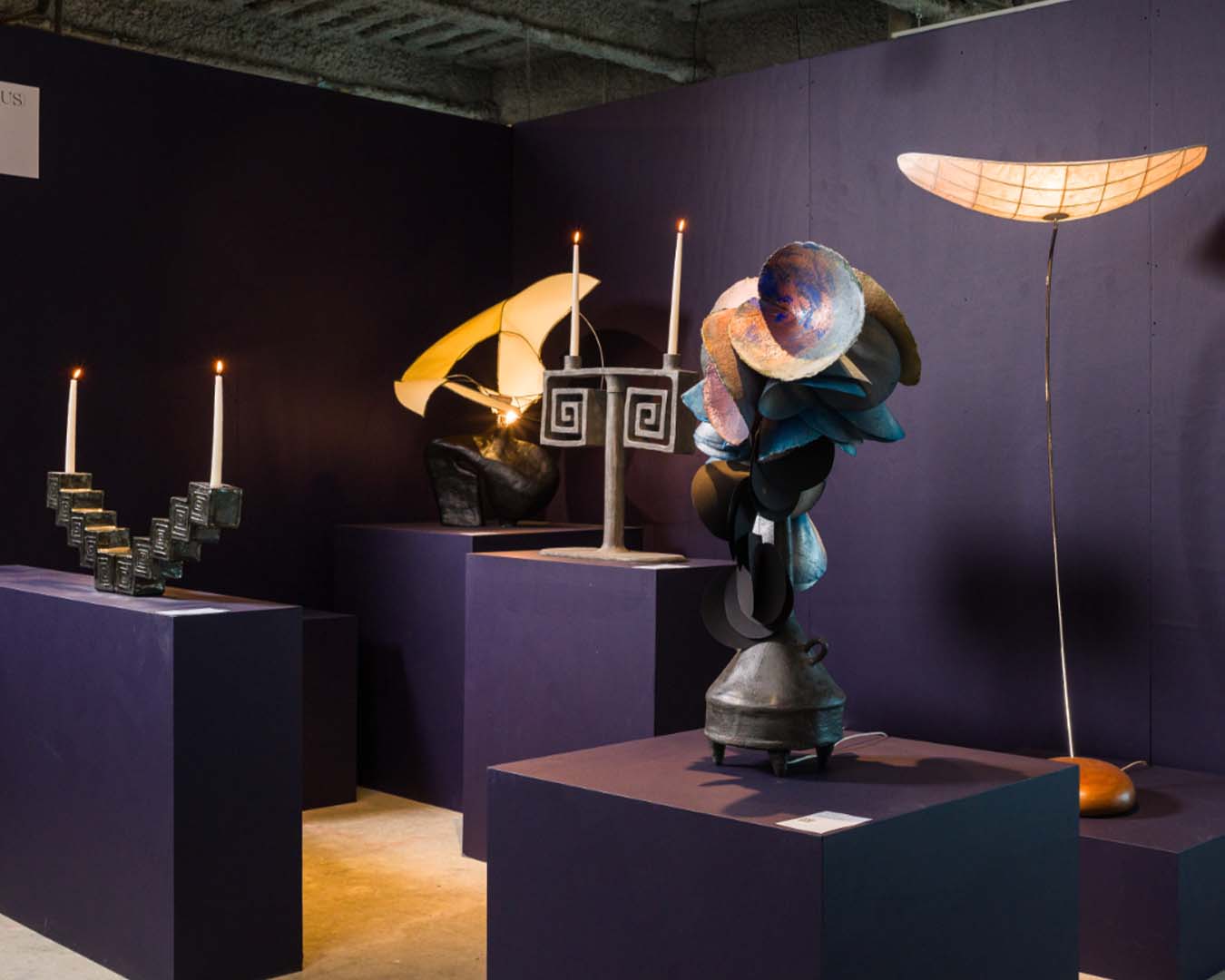

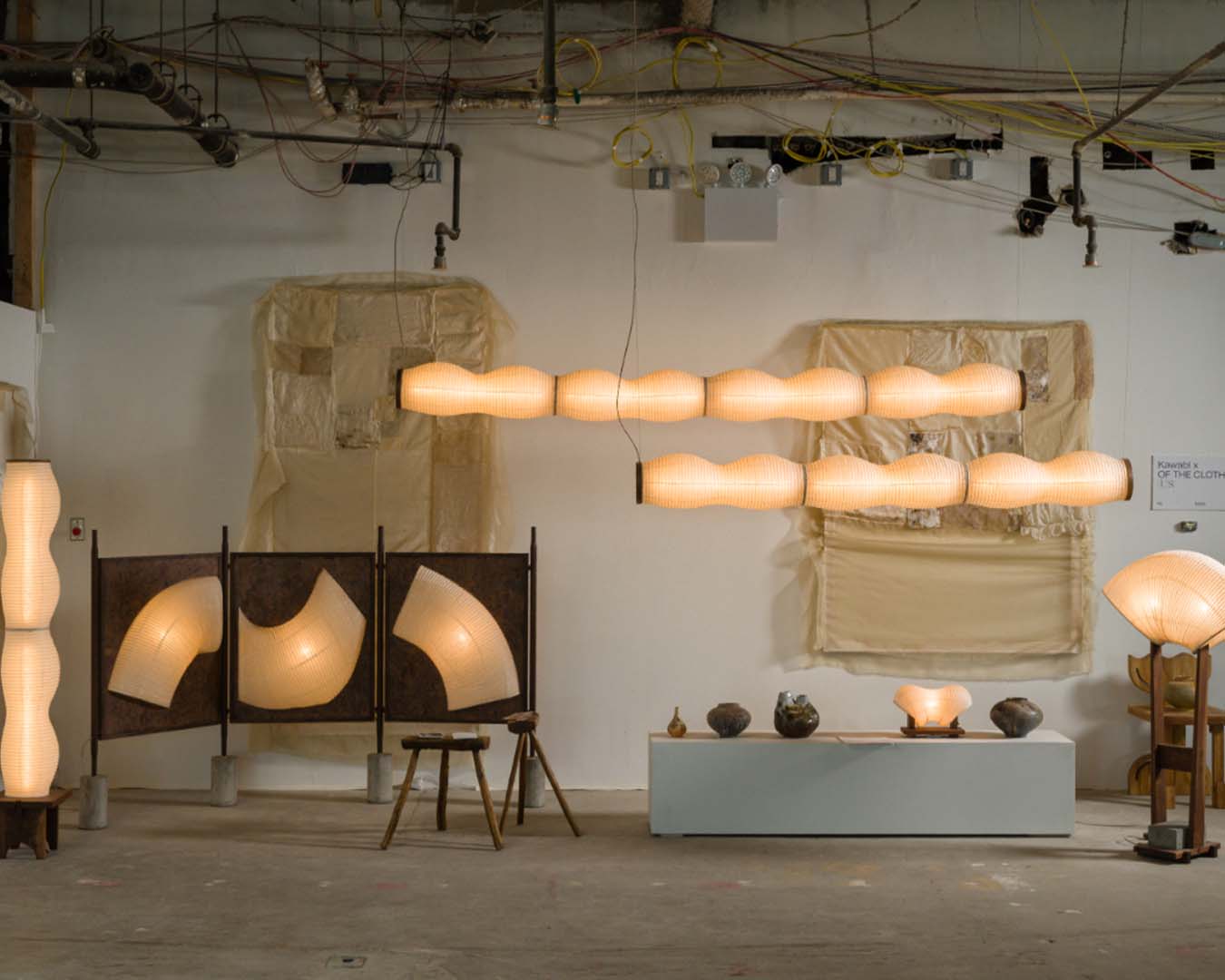
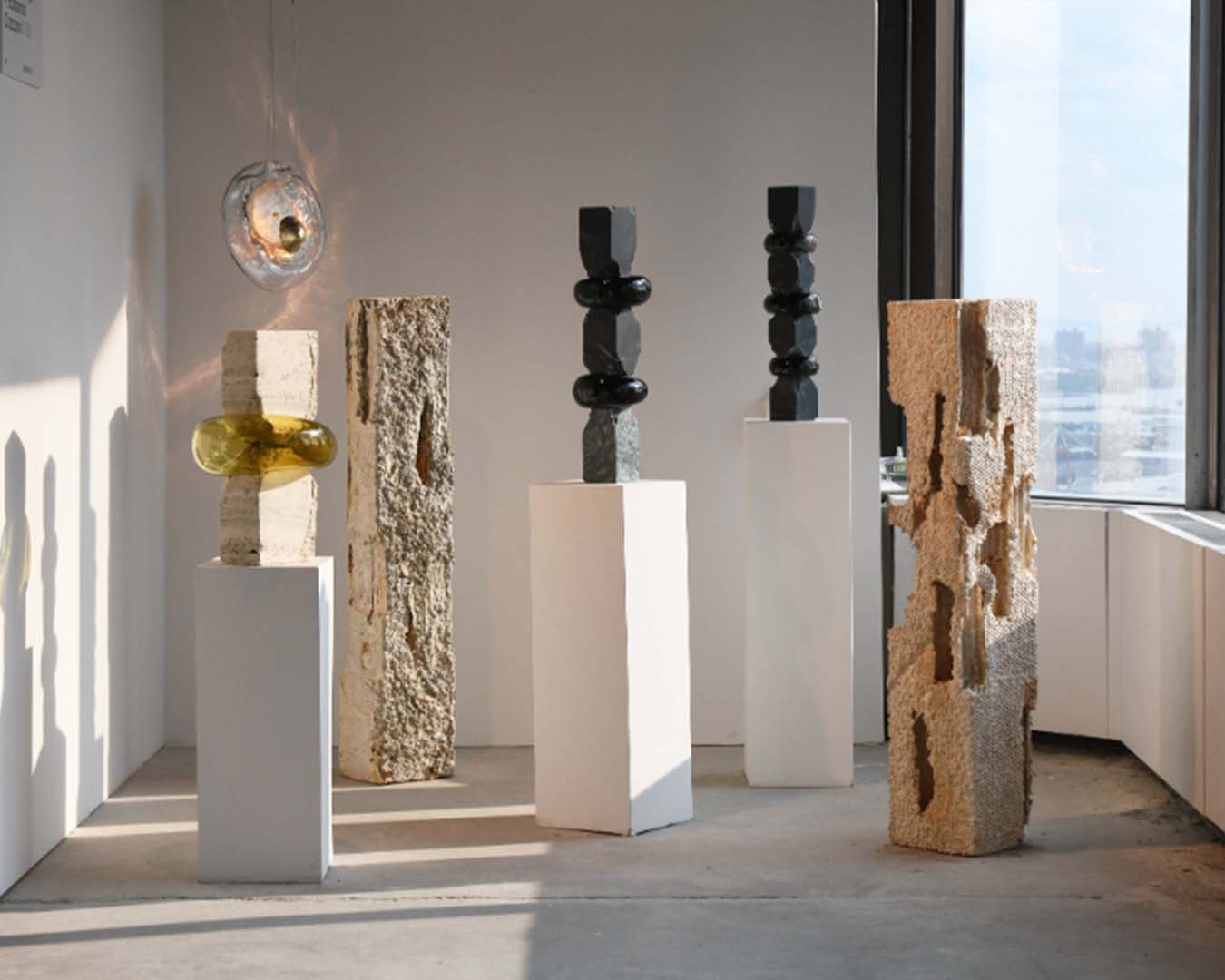
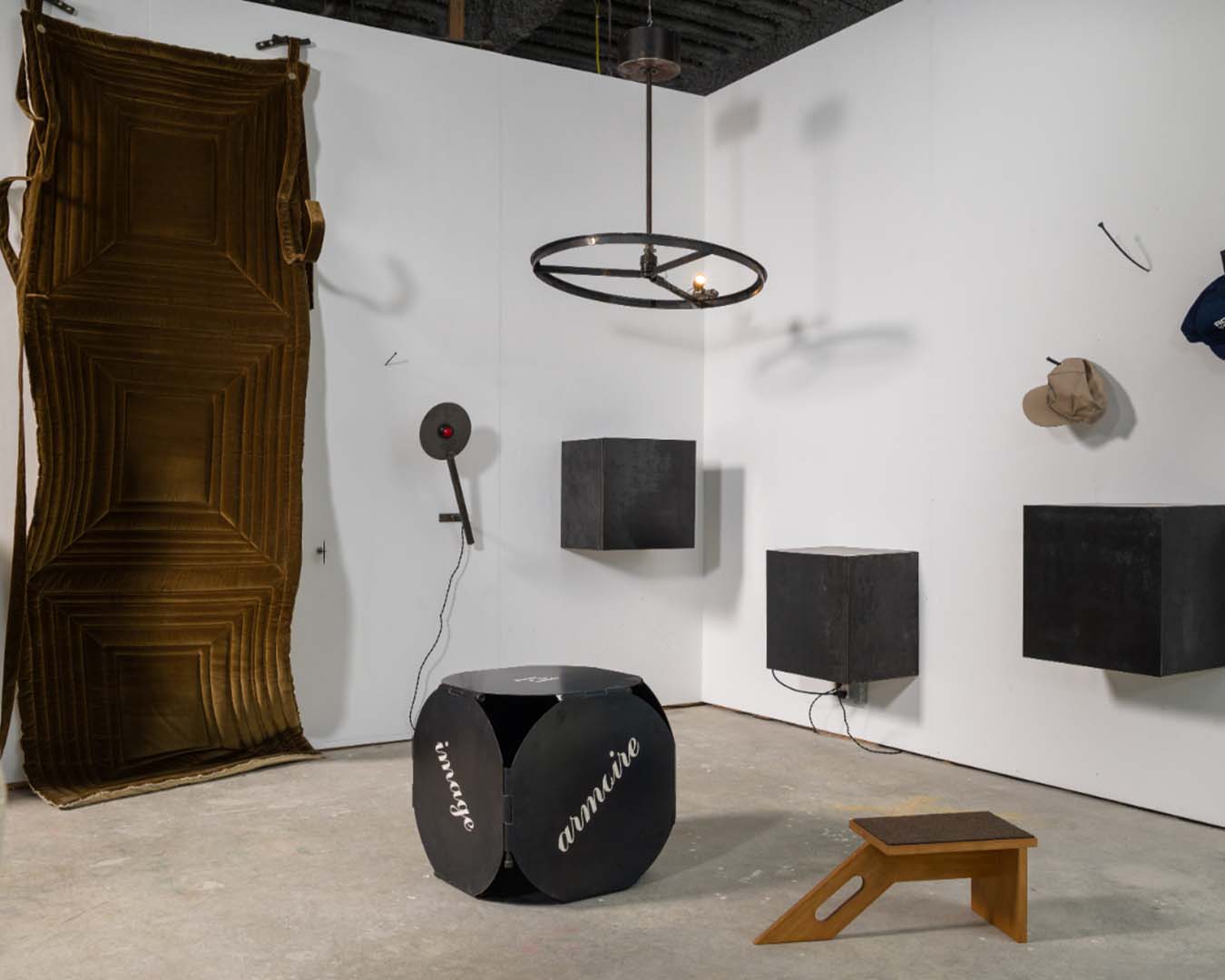
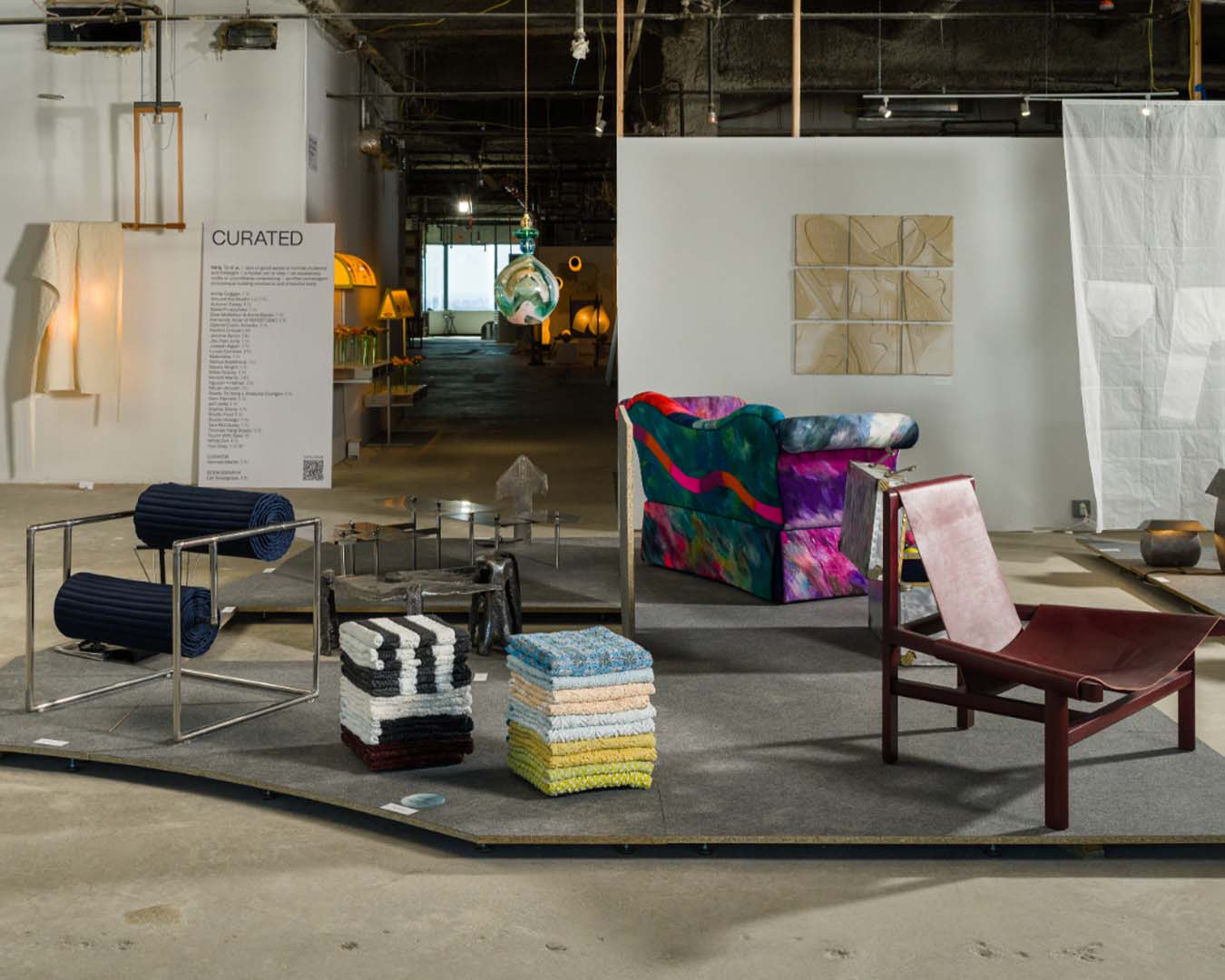
Kamilla Csegzi enters the scene with quiet precision. The Hungarian designer works not with static matter, but with life itself. In her series Counterformations, she cultivates mycelium within molds of bubble wrap, transforming fragile air pockets and industrial grids into enduring organic forms. The fungi grow gently yet persistently, capturing the imprint of a material designed to vanish. The result is both fragile and exacting — a balance between restraint and growth.
The project’s title borrows from typography: “counterforms” are the negative spaces that shape a letter. In Csegzi’s work, those voids define the object. What was once ephemeral now gains permanence; what was meant to be discarded becomes substantial. Her pieces suggest a quiet transformation — still, but full of life.
Material experimentation continues with Marcela Cure, who demonstrates that softness, too, can be powerful. Beginning with clay, she casts her works in resin blended with stone and pigment, giving each piece a tactile warmth that bridges color and texture. Look closer, and their meaning deepens: Mirror I and Mirror II reflect not only light but perspective; the Chair supports the eye as much as the body; the Lamp illuminates with presence as well as glow.
Cure’s gentle curves exude a confidence equal to the monolithic slabs that opened the fair. Together, her and Csegzi’s works suggest a new design vocabulary — one where materials breathe, surfaces speak, and softness stands its ground.
When the lights come on, Rosie Li’s work proves that design can be both disciplined and playful — precise in structure, yet fluid in what it reveals. Trained in industrial design and mathematics, Li channels her technical rigor into pieces that balance exact geometry with luminous spontaneity. Her Jewel Block series begins with measured planes and razor-sharp edges, but the light refuses to stay contained.
In the Jewel Block Sconce, polished surfaces scatter reflections outward, shifting as the viewer moves. The Table Lamp translates the same language on a more intimate scale: stacked blocks radiate a steady glow that spreads across the surface beneath them. Every line is deliberate, yet the light seems to breathe — an elegant tension between control and motion that keeps the work alive.
By the end of the exhibition, Iron23 itself feels transformed. The concrete and steel remain, but weight, surface, growth, and light have each left their mark. None of the pieces fade quietly into the space; each demands to be seen, asserting its own presence. Together, they form a striking portrait of contemporary design — one that speaks not only through objects, but through their dialogue with architecture, material, and the restless energy of New York City itself.