We can say that the Alpha Wave Experience project fits from a social point of view within the age-old struggle between reason and mysticism, which rationalists like to think they have won. Meanwhile, the world hums along under the control of algorithms and AI, but mysticism hasn’t disappeared, it has simply taken on new forms. These days, it’s less about rituals and more about curated experiences — polished, immersive, and distant enough to feel meaningful without challenging the ideology of those who partake.
The blend of mysticism and technology caught Dan Ghenacia’s attention when COVID-19 silenced the dance clubs in 2020. As a founding member of the French electronic trio Apollonia, Ghenacia had spent years crafting hypnotic, groovy soundscapes for packed dance floors. Known for their marathon back-to-back-to-back DJ sets, often lasting over five hours, the trio showcased a deep understanding of dance music and an effortless ability to captivate audiences. With the world on pause, Ghenacia turned his focus to visual arts and discovered Brion Gysin, an avant-garde artist and writer known for his experimental work and the Dreamachine, a counterculture relic that would inspire his next chapter.
The Origins of the Dreamachine
Gysin’s invention — a spinning cardboard cylinder with a lightbulb inside—was simple but effective. The flickering light, viewed with closed eyes, triggers alpha brain waves, the same rhythms activated during meditation, yoga, or the moments before sleep. These states lead the mind into the liminal space between waking and dreaming. Gysin called it a “drug-free trip”, a shortcut to hallucination through light alone. William S. Burroughs, the American writer and artist of the Beat Generation, believed it could replace television however, it didn’t. The Dreamachine remained on the fringes of underground art, more an oddity than a revolution.
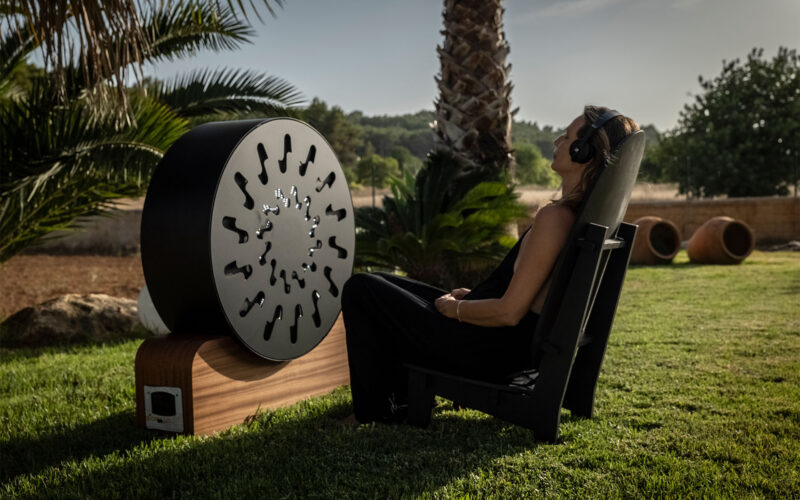
Ghenacia, along with creative engineer Anine Kirsten, saw potential beyond its original form. They expanded on the concept, incorporating immersive sound and refined technology to create what they branded as the Alpha Wave Experience — less artifact, more atmosphere. The humble cardboard cylinder evolved into a sleek, rotating device, where flickering light worked in harmony with carefully curated soundscapes. Thus, what began as a solo sensory journey transformed into a communal experience, drawing groups into shared hallucinations.

“I’ve always enjoyed storytelling, creating experiences that fully immerse people. We all need this: a break from constant information, a mental pause.”
The Oracle: A Modern Ritual for Collective Introspection
The centerpiece of the Alpha Wave Experience is The Oracle, an installation that blends synchronized flickering light and ambient sound to guide participants into a collective meditative journey. Inspired by the image of a UFO landing in a tropical rainforest, it brings an otherworldly, ritualistic quality to the space it occupies. Participants sit beneath the rotating light, their minds lulled into a synchronized rhythm, creating a shared introspective moment that transforms Gysin’s solitary experiment into something communal.
Alongside The Oracle, the Alpha Wave Experience expands into other sensory works that offer a broader landscape. The Clock, the first piece in the series, is a sleek, minimalist sculpture combining wood, steel, and acrylic. Its design balances art and function, serving as both a visual centerpiece and a meditative tool, inviting users to pause, focus, and relax. Placed in serene environments with soft ambient lighting, it creates a calming focal point for introspection.
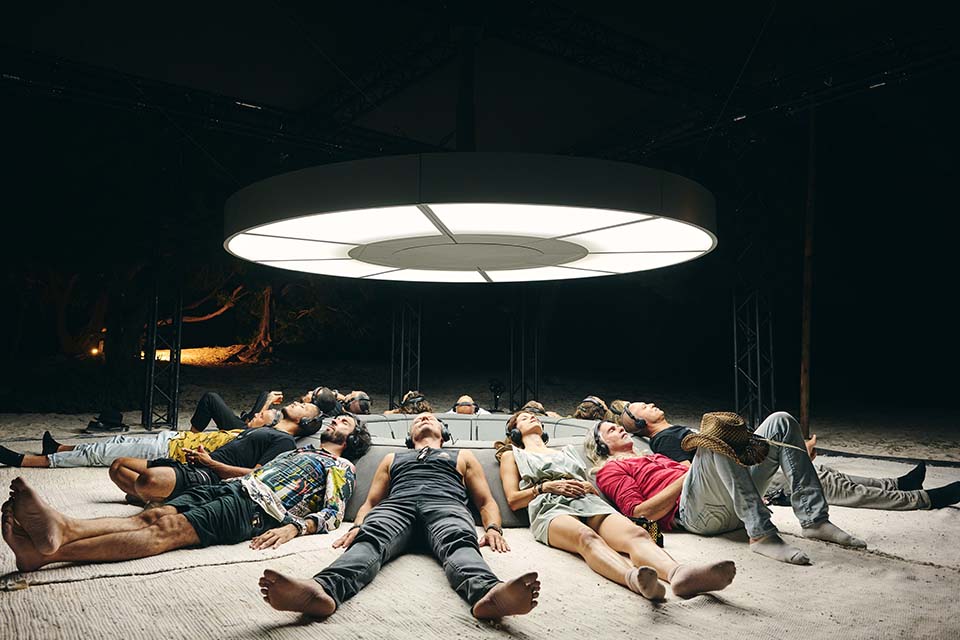
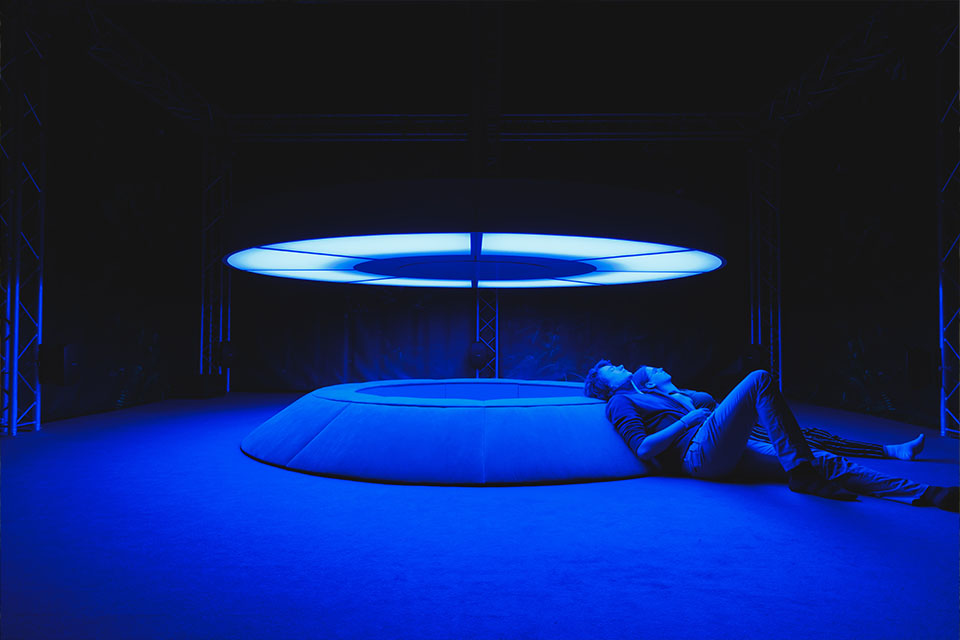

Alpha Wave Experience is a biohacking technique that allows people to experience different brain states with the help of technology.
The Mirror, an interactive piece paired with an app, features a reflective surface that emits gentle light and sound. Designed for stress reduction and sleep improvement, it bridges the gap between art and wellness. Users can customize their experience through the app, tailoring the frequencies and visuals to their needs, creating a highly personalized moment of calm in a chaotic world.


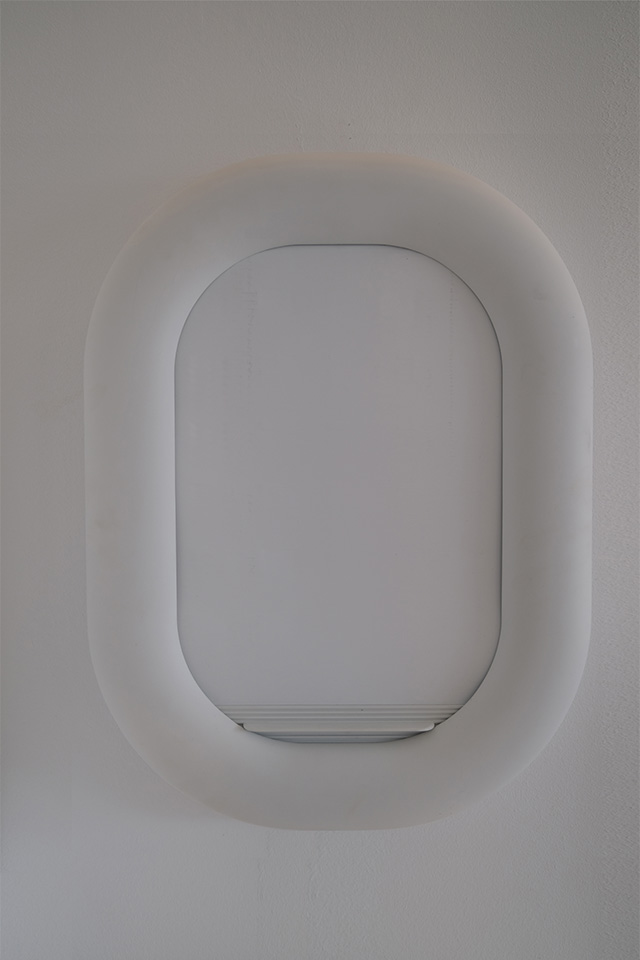
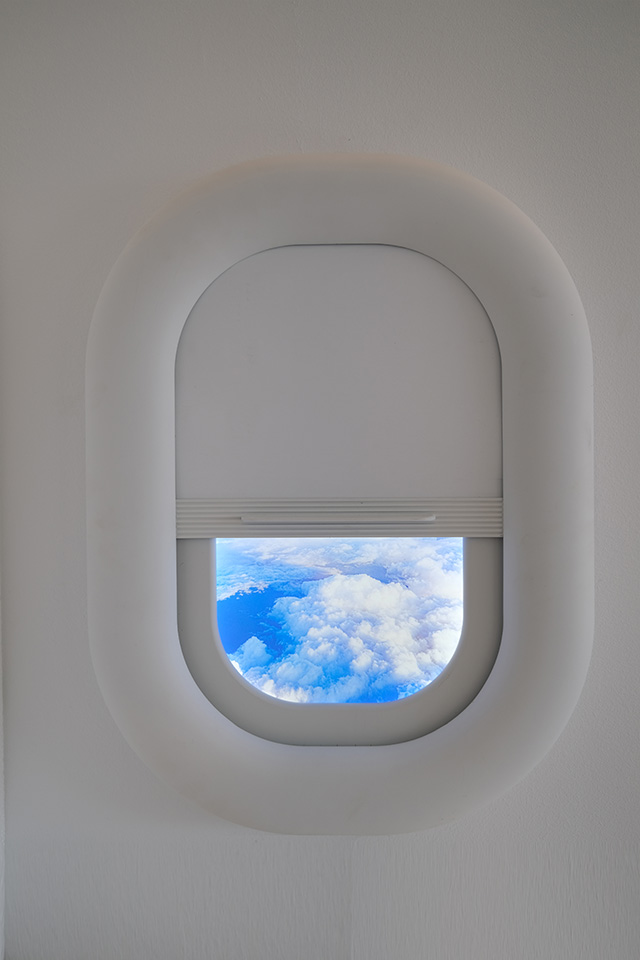
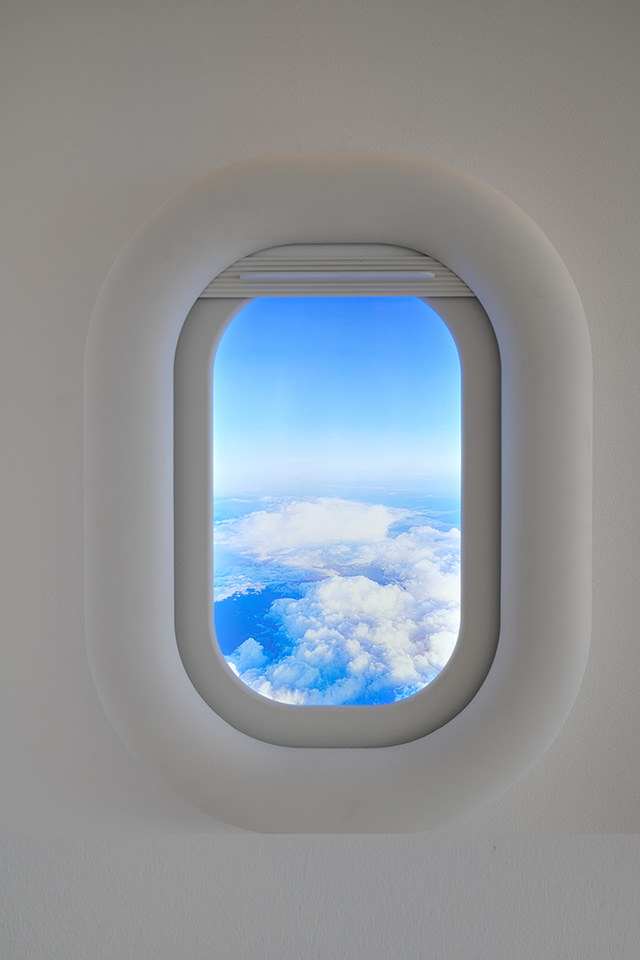
The Clouds evokes the quiet reverie of gazing out an airplane window. With its soft, flowing shapes and subtle light patterns, the installation recreates the sensation of drifting through the sky. It’s not meant for functionality in a traditional sense but rather for sparking daydreams and reflective thought. The Clouds immerses participants in a dreamlike, ethereal atmosphere that encourages them to let go and simply drift. Each piece expands on Gysin’s core concept, creating a fuller sensory landscape that blends art, therapy, and introspection.
Neuroscience and the Alpha Wave Experience
The neuroscience behind the Alpha Wave Experience is a key pillar of its appeal. Studies show that flickering light can reduce stress, enhance focus, and boost creativity by encouraging alpha states in the brain. In contrast to traditional meditation practices that take years to master, these tools offer a shortcut, using light and sound to gently nudge the brain into these optimal states. Dr. Francisco Teixeira, a neuroscientist and core member of the Alpha Wave team, has played a significant role in grounding the project’s claims in legitimate science.
In a world saturated with mindfulness apps and sensory escapes, the Dreamachine and Alpha Wave Experience occupy a space between science and spectacle. They glow softly at the edge of reason, rooted in research but cloak themselves under a version of mysticism that is palatable for the modern consumer.
The mystery remains intact but is reframed in the language of accessibility and efficiency. Flickering lights and ambient sounds become tools for self-improvement rather than deeper confrontation with the unknown. It’s mysticism reimagined to fit into busy schedules, offering enlightenment that feels profound yet easily consumable.
The presentation leans heavily on the aesthetics of California wellness culture, where spiritual growth is often packaged as a marketable experience. The language of “unlocking consciousness” and the seamless accessibility of these tools provoke questions: Are they gateways to introspection or mere reductions of mysticism into convenient, polished products?